

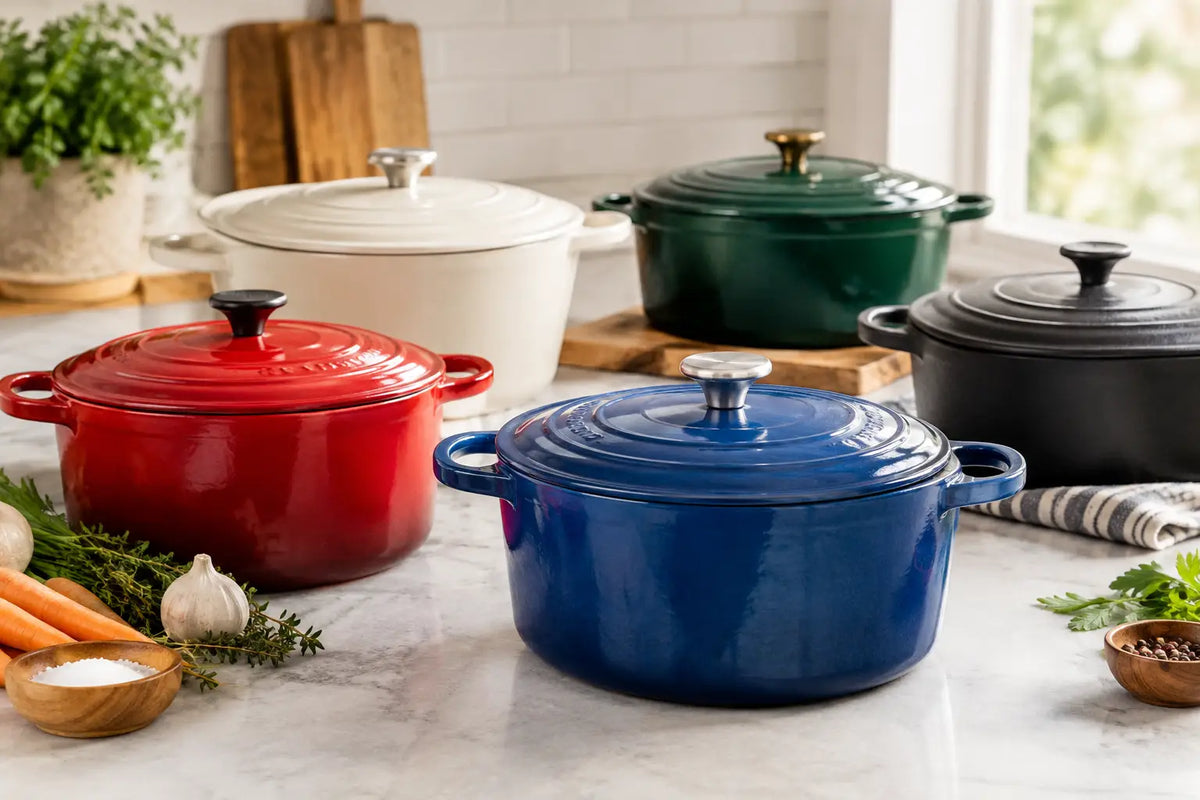
A Dutch oven earns its space by doing the work of several pans with more grace. The best Dutch ovens can move from a long Sunday braise to a weeknight soup, then arrive at the table looking polished enough for company. The right one is not necessarily the heaviest, most expensive, or largest option. It is the piece that suits the way you actually cook.
For most homes, an enameled cast-iron Dutch oven offers the most useful balance of heat retention, easy cleanup, and serving-worthy design. But size, shape, lid style, and weight make a meaningful difference. Here is how to choose with confidence, whether you are building a first kitchen, upgrading a well-used favorite, or selecting a gift meant to be used for years.
The 7 Best Dutch Ovens by Cooking Style
1. A 5.5- to 6-quart round Dutch oven for most kitchens
For everyday cooking, this is the most versatile choice. A round 5.5- to 6-quart Dutch oven comfortably handles chili for six, a whole chicken with vegetables, pasta sauce, beans, and smaller batches of bread. It is large enough for family meals without becoming awkward to lift, wash, or store.
This is also the most dependable size for wedding registries and housewarming gifts. It feels substantial, yet it does not require a special occasion to justify pulling it from the cabinet. If you are buying only one Dutch oven, begin here.
2. A 7- to 8-quart Dutch oven for batch cooking and gatherings
The larger Dutch oven is best for cooks who routinely make enough for leftovers, host holiday meals, or prepare freezer-friendly soups and sauces. Its extra capacity is especially welcome for short ribs, pot roast, stock, and one-pot dinners for eight or more.
There is a trade-off: a full 7- or 8-quart cast-iron pot can be quite heavy. Consider where it will live and whether you are comfortable transferring it from the oven to the table. For frequent entertainers, that added capacity is worthwhile. For a two-person household, it may feel like more cookware than you need.
3. A shallow braiser for one-pan dinners
A braiser is technically a close relative rather than a traditional deep Dutch oven, but it deserves a place in this conversation. Its wide base gives proteins more room to brown, while lower sides make it easier to turn chicken thighs, sauté vegetables, and serve a finished dish at the table.
Choose a shallow, wide vessel if you make pan sauces, risotto, baked pasta, or meals where browning is as important as slow cooking. It will not replace a deep pot for stock or tall loaves of bread, but it may become the pan you reach for most often on a busy night.
4. An oval Dutch oven for roasts and long cuts of meat
An oval Dutch oven is the best choice for a whole chicken, a duck, a pork loin, or a brisket that will not sit neatly inside a round pot. The shape also gives you more room to arrange carrots, onions, and potatoes around a roast without stacking everything too tightly.
Its limitation is versatility. Round burners heat round pots more evenly, so an oval vessel can have cooler ends on a stovetop. That matters less in the oven, where oval Dutch ovens shine. Choose this shape when roasting and braising larger cuts are central to your cooking routine, not simply because it looks impressive on the table.
5. A bread-focused Dutch oven with a tight-fitting lid
For crusty boules and no-knead loaves, look for a Dutch oven with a close-fitting lid and enough height for dough to rise. The covered pot traps steam during the first stage of baking, helping the loaf develop a crisp exterior and tender interior without specialized equipment.
A 5- to 6-quart round Dutch oven is usually a practical bread size. Some bakers prefer a lower-sided bread oven because it is easier to lower dough into and remove after baking. Either can work beautifully. The deciding detail is not a decorative lid knob - it is reliable heat, a secure lid, and an oven-safe temperature rating that suits your recipes.
6. A lighter enameled cast-iron option for frequent use
Cast iron is prized for holding heat, but more weight is not always better. A lighter enameled cast-iron Dutch oven can be a smarter everyday purchase for cooks who have limited storage, wrist concerns, or simply want a pot they will use without hesitation.
Look for comfortable, generously sized handles that leave enough room for oven mitts. A well-designed lid should feel secure without being difficult to lift. These details sound small at checkout, but they shape every dinner you make. The best pot is the one you can safely carry when it is full of simmering soup.
7. A small Dutch oven for side dishes and thoughtful gifting
A 2- to 3.5-quart Dutch oven is ideal for rice, a small stew, baked beans, dips, or a dinner for one or two. It is also a beautiful gift for a first apartment, a graduation, or a couple that enjoys cooking but does not need restaurant-scale cookware.
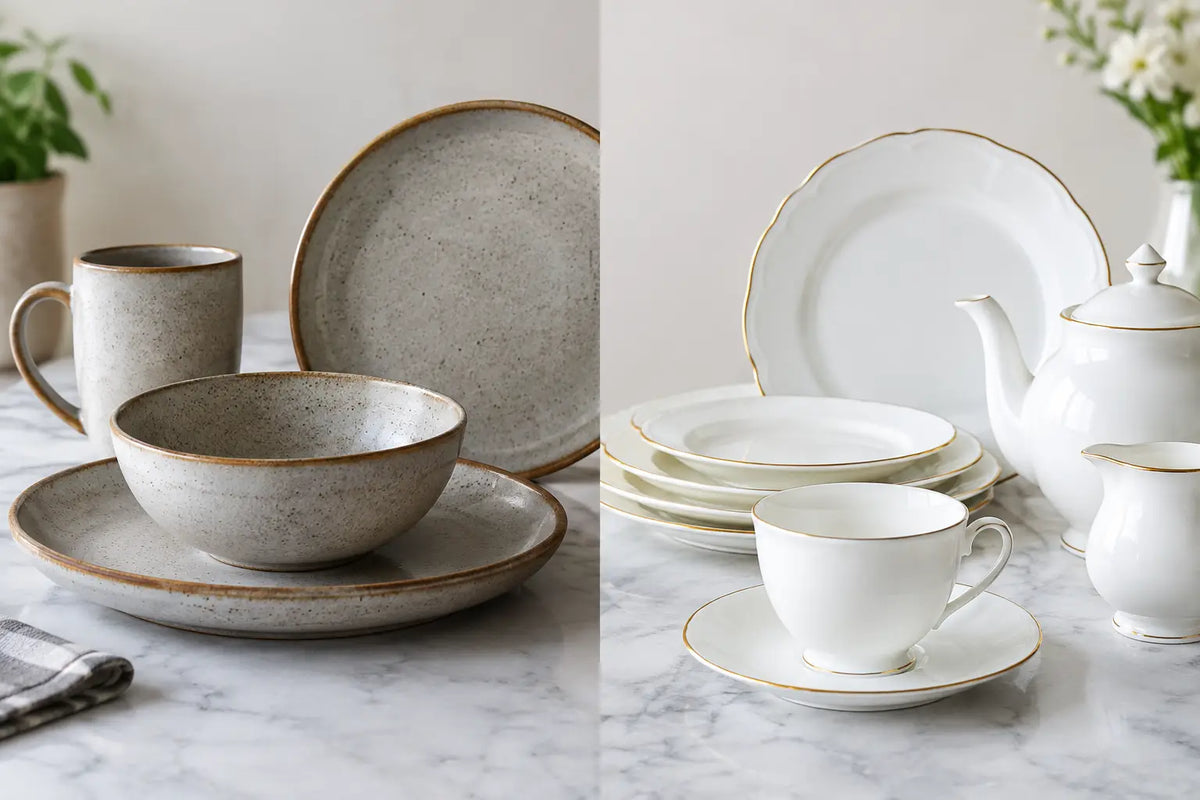
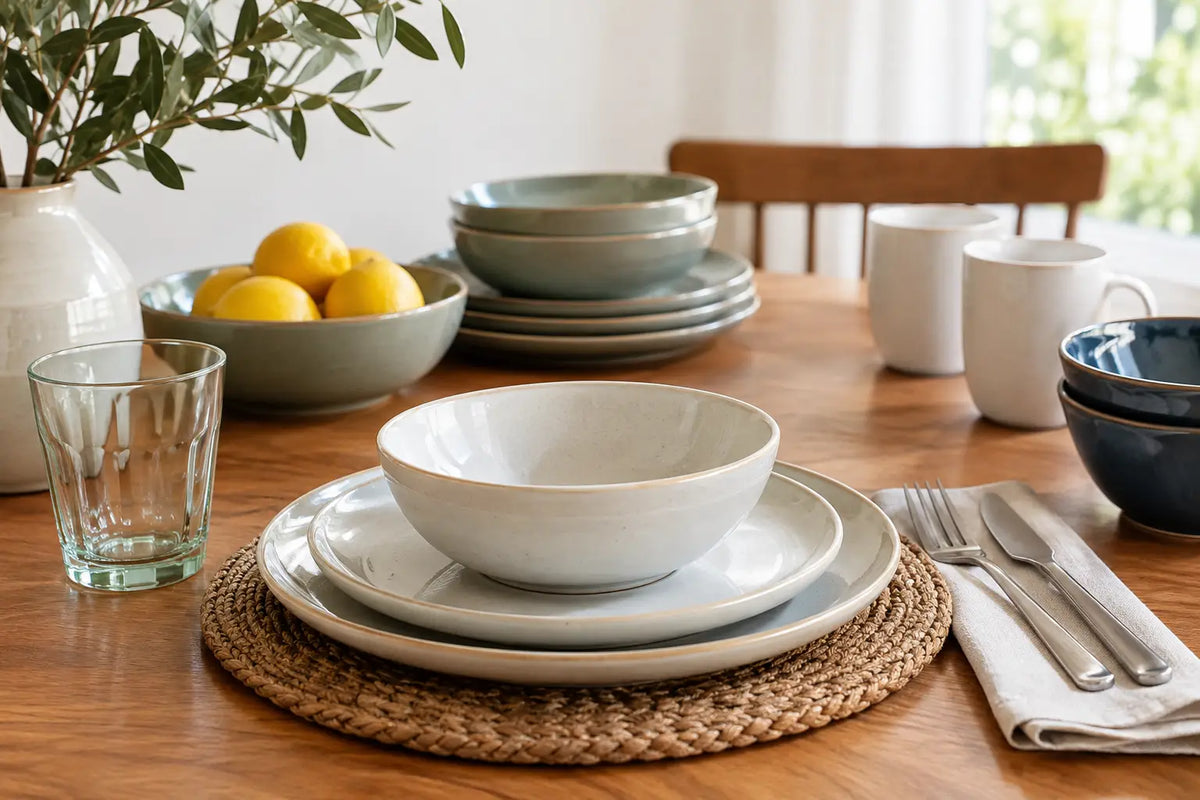
Small Dutch ovens do not replace a standard-size pot, yet they bring real usefulness to a kitchen. They heat quickly, fit easily in smaller ovens, and make a simple dish feel more intentional when placed on the table. For a coordinated entertaining setup, pair one with durable dinnerware in a complementary finish or glaze.
What Makes a Dutch Oven Worth Buying?
Material comes first. Bare cast iron develops seasoning over time and is excellent for high-heat cooking, but it needs more deliberate care and is not the easiest choice for acidic tomato sauces or wine-heavy braises. Enameled cast iron offers the familiar heat retention of cast iron with a smooth, nonreactive interior that is simpler for everyday cooking.
Quality enamel should look even and feel smooth, without rough spots around the rim or interior. Dark interiors can disguise stains and browning, while light interiors make it easier to monitor fond and sauce color. Neither is universally better. Choose the finish that supports your cooking habits and the look you want on an open shelf or dining table.
A tight-fitting lid matters because it limits moisture loss during long, gentle cooking. At the same time, a Dutch oven does not need to be completely airtight. Braises benefit from controlled evaporation, which concentrates flavor and creates a fuller sauce. Thick walls and a substantial base help prevent temperature swings, particularly when you brown ingredients before moving the pot into the oven.
Size, Weight, and Heat Source: The Practical Checks
Before purchasing, check that the cookware works with your stovetop. Enameled cast iron is generally suited to gas, electric, and induction cooking, but always follow the maker's care instructions. On glass cooktops, lift rather than slide the pot to help protect the surface.
Confirm the oven-safe temperature for both the body and the lid knob. This matters more than many shoppers realize, especially for high-heat bread baking or recipes that finish under the broiler. Also measure your oven and cabinet depth if you are considering a large oval piece.
Food safety deserves the same attention as performance. Buy from a cookware brand that clearly communicates material standards and care guidance. Health and safety are non-negotiable, particularly for a vessel used to simmer meals for hours. A thoughtful brand should also package heavy cookware carefully and stand behind it if it arrives damaged.
How to Keep Enameled Cast Iron Beautiful
Enameled cast iron rewards calm, steady heat. Let the pot warm gradually, use a little oil when browning, and avoid blasting an empty vessel over the highest flame. Extreme temperature changes can stress enamel, so do not place a hot pot into cold water.
For cleanup, allow the cookware to cool, then wash it with warm water, mild soap, and a soft sponge. Soak stuck-on food rather than attacking it with abrasive tools. A paste of baking soda and water can help lift stubborn marks without harsh scrubbing. Minor staining over time is normal and does not mean the enamel has failed.
The same principle applies when serving. Use wooden, silicone, or nylon utensils to protect the interior finish, and place a hot Dutch oven on a trivet. With sensible care, it becomes one of those kitchen pieces that gains meaning through use - the pot for birthday chili, snow-day soup, and the roast everyone asks for again.
A Dutch oven should make home cooking feel more generous, not more complicated. Select the capacity you will reach for, a shape that matches your favorite meals, and a finish you are happy to set at the center of the table. That is how everyday cookware becomes part of the home.


Hinterlasse einen Kommentar
Diese Website ist durch hCaptcha geschützt und es gelten die allgemeinen Geschäftsbedingungen und Datenschutzbestimmungen von hCaptcha.