

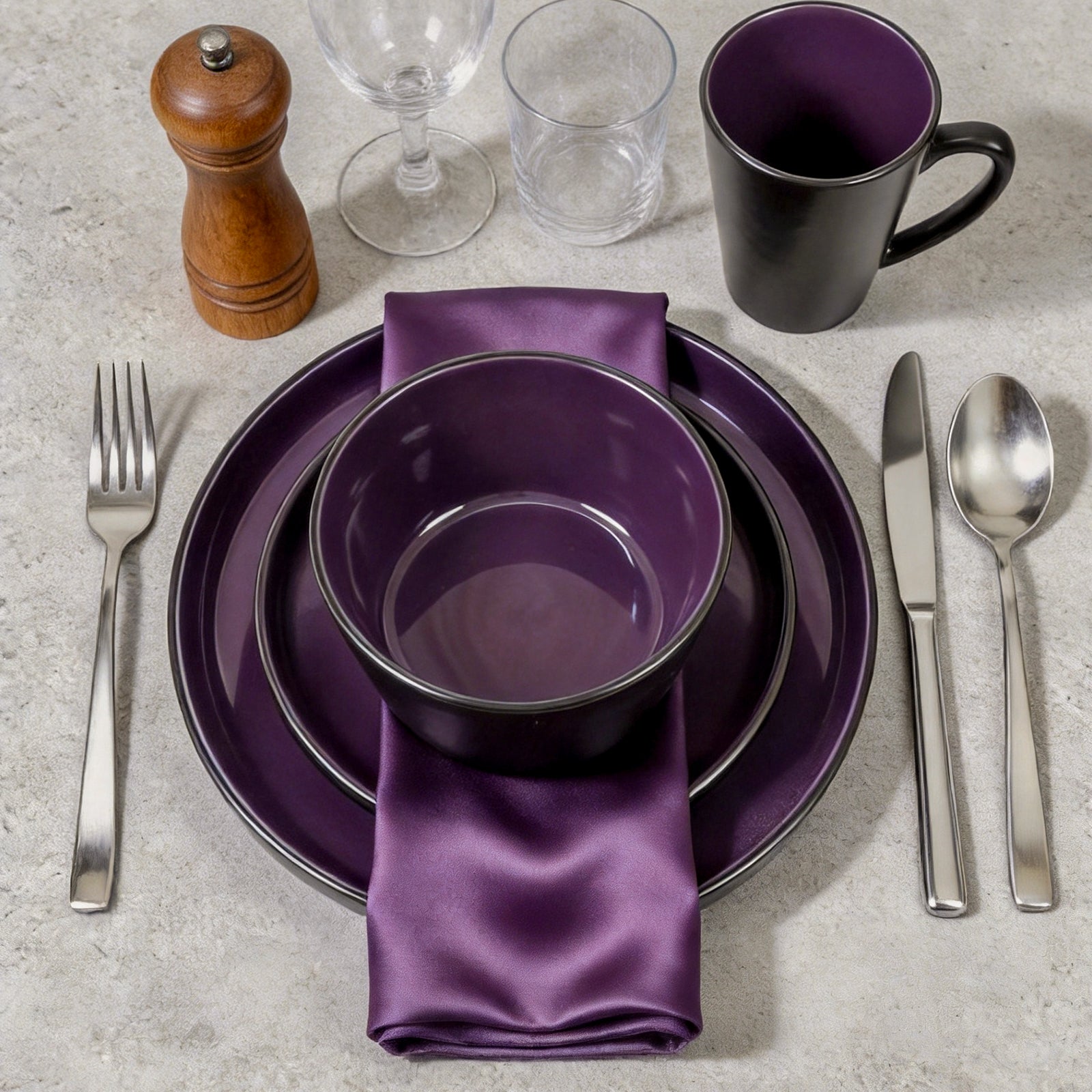
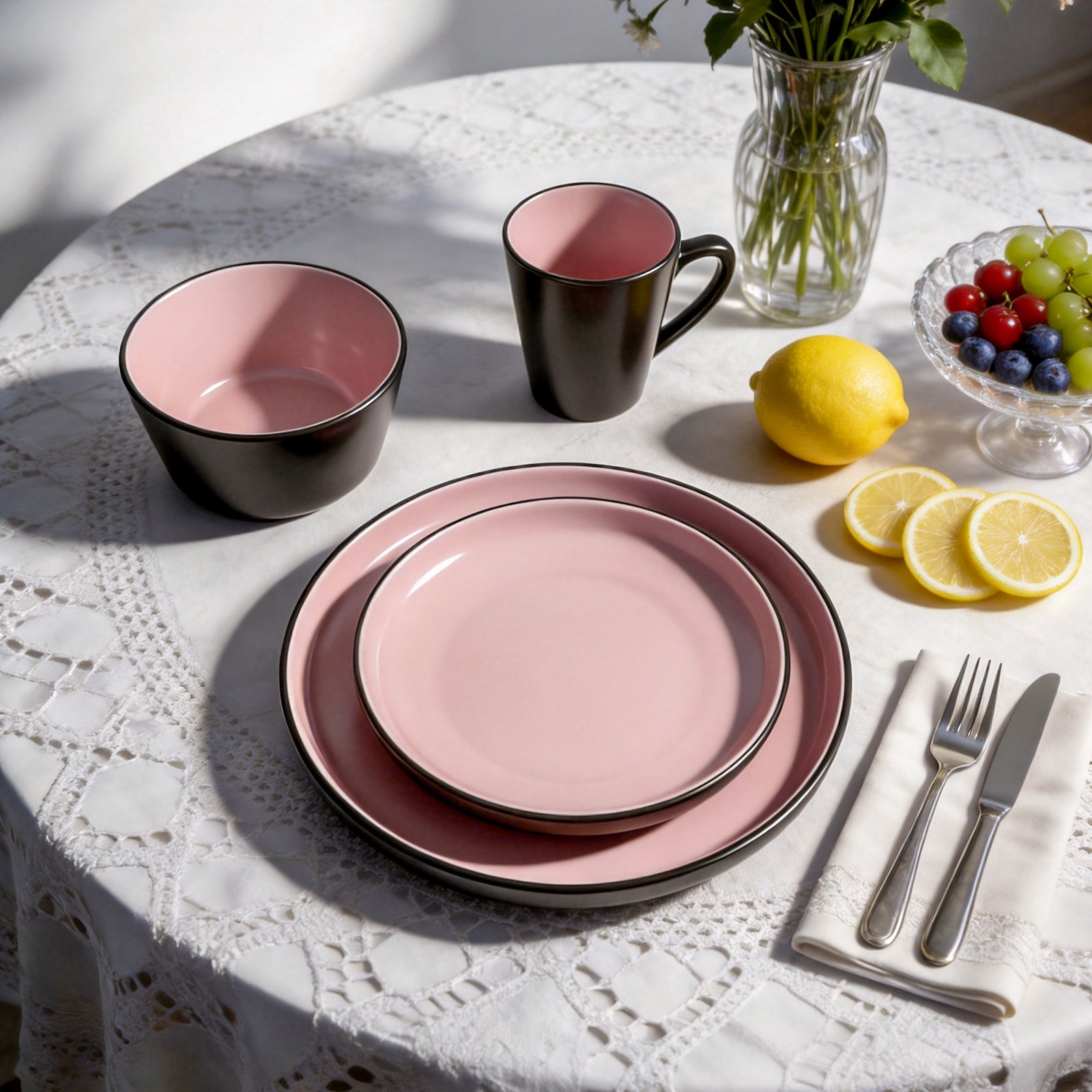
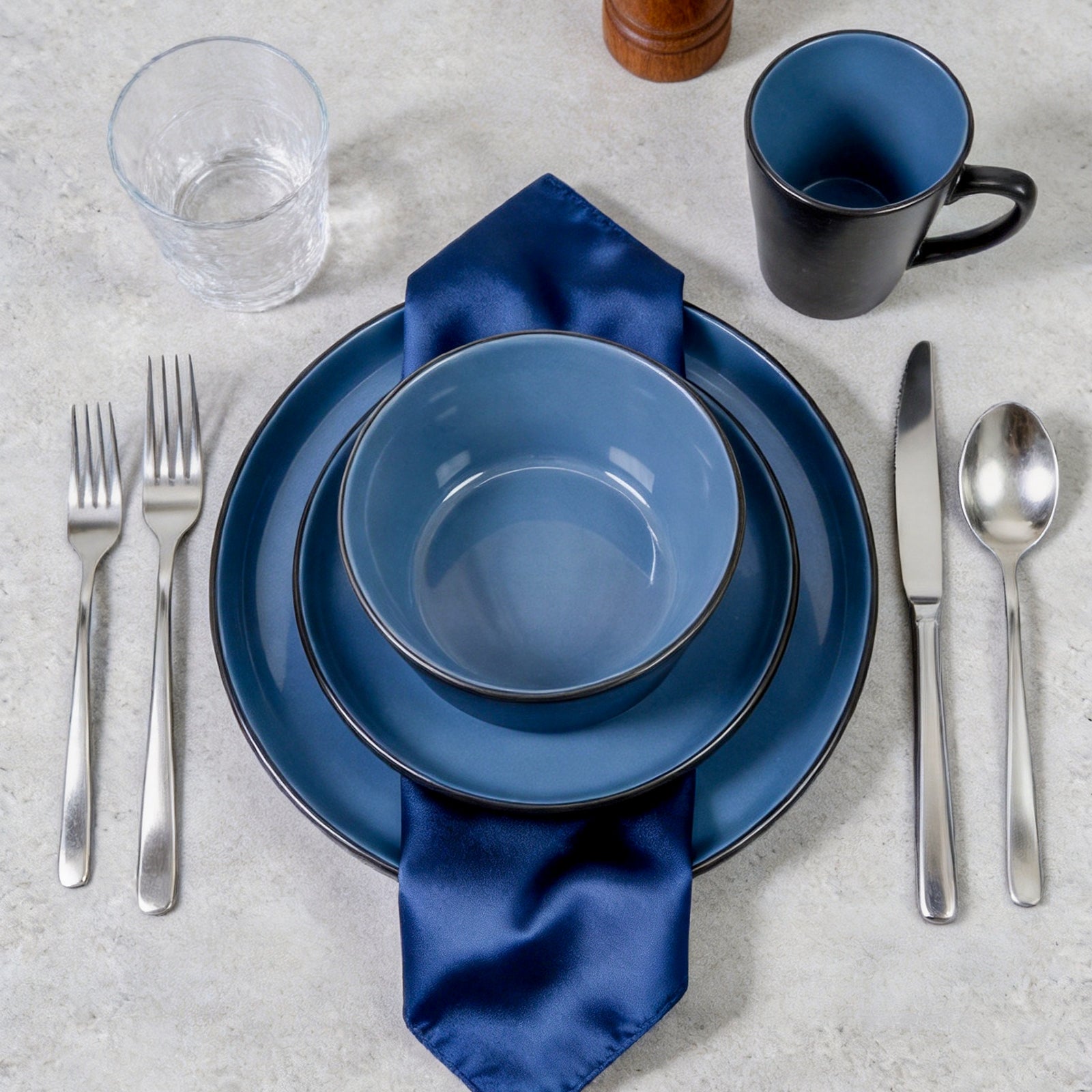

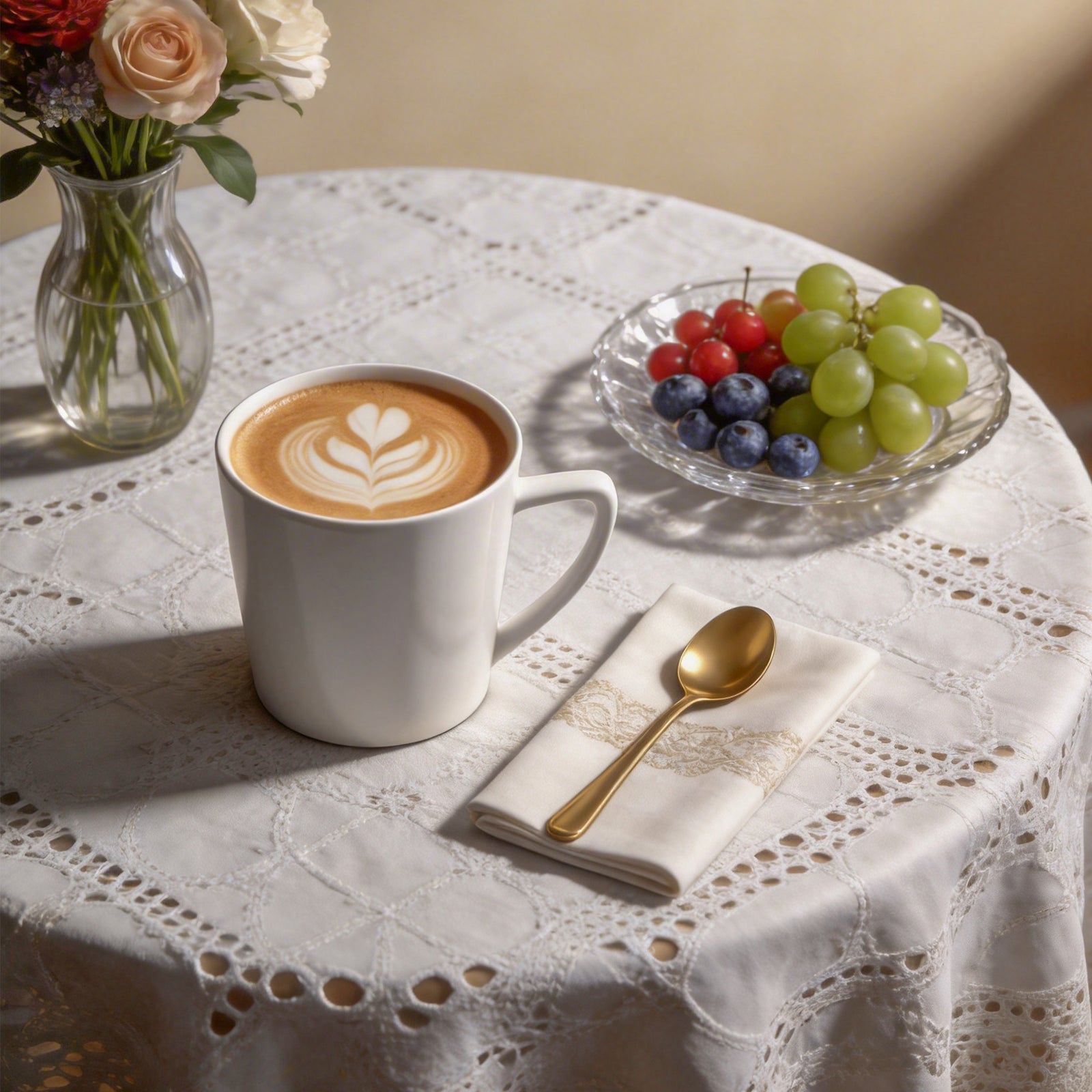


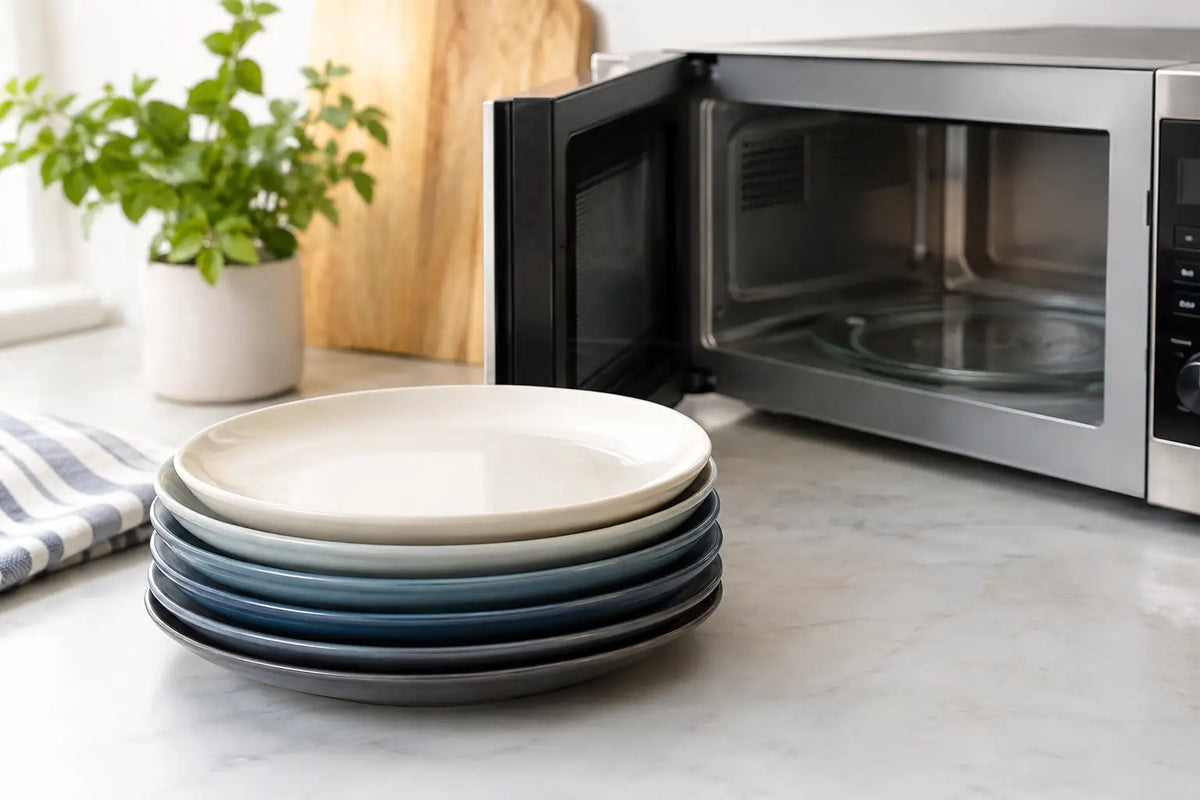
A plate that looks beautiful on the table should also make Tuesday-night leftovers easy. This microwave safe plates guide explains what the label really means, how to recognize dependable dinnerware, and why a few practical habits protect both your meal and your favorite pieces.
What “Microwave Safe” Actually Means
A microwave-safe plate is designed to withstand microwave heating without melting, cracking under normal use, or releasing unsafe substances into food. That does not mean the plate will stay cool. Ceramic and stoneware can become quite hot because they absorb heat from the food, especially with saucy meals, dense leftovers, or long heating times.
The safest starting point is the manufacturer’s care guidance. Look on the underside of the plate, its packaging, or the product description for a microwave-safe symbol or clear wording. A quality mark reflects testing and material knowledge, not just an assumption that all ceramics behave alike.
For everyday dinnerware, food safety matters just as much as heat performance. Choose plates made with lead- and cadmium-free materials and glazes. At HomeVss, health and safety are non-negotiable: our ceramic tableware is 100% lead and cadmium-free, so a well-set table can feel as reassuring as it looks.
Which Plate Materials Work Best in the Microwave?
The material beneath the glaze affects durability, heat retention, and how the plate feels in your hand after reheating. There is no single best choice for every household, but a few categories consistently serve daily meals well.
High-Fired Stoneware
High-fired stoneware is a natural fit for households that want substance, warmth, and durability. Fired at high temperatures, quality stoneware develops a dense body that holds up well to regular use. It is often more substantial than porcelain, which helps it feel grounded on the table but can also mean it retains more heat in the microwave.
Stoneware is especially appealing for family meals and relaxed entertaining because it moves easily from a composed table setting to practical reheating. If your plate is labeled microwave safe, heat food in sensible intervals and use an oven mitt or dry towel when needed. A damp cloth can transfer heat quickly and is less protective than it seems.
Porcelain and Fine Bone China
Porcelain is typically lighter and less porous than stoneware, with a clean, refined look that suits both everyday dining and more formal occasions. Fine bone china offers an even lighter feel and a luminous finish while remaining surprisingly strong for its weight.
Both can be microwave safe when the maker specifies it. The exception is decoration. A gold, silver, platinum, or metallic band can spark, discolor, or become damaged in the microwave. Even a small metallic detail is enough to make a plate unsuitable for microwave use, so reserve those pieces for serving and dining rather than reheating.
Glass and Plastic Plates
Tempered glass can be a reliable microwave option, provided it is specifically labeled for microwave use and has no chips or cracks. It is practical, though it may not deliver the elevated look or heat retention of ceramic dinnerware.
Plastic is more complicated. Only use plastic plates marked microwave safe, and avoid heating oily or high-sugar foods in them for extended periods because those foods get exceptionally hot. For a lasting, design-conscious everyday collection, ceramic or porcelain usually offers a more satisfying balance of appearance, stability, and long-term use.
How to Read Microwave-Safe Markings
A microwave-safe symbol often resembles a small microwave oven or several wavy lines. Symbols can differ by manufacturer, so plain-language care instructions are equally valuable. If a plate has no marking and you cannot confirm its material or origin, do not treat it as microwave safe simply because it is ceramic.
Be cautious with vintage, handmade, souvenir, and heavily decorated plates. Their glazes and construction may be perfectly suitable for display or serving, but they may not have been made or tested for modern microwave use. An unmarked plate is not necessarily unsafe, but uncertainty is a poor trade-off when a clearly labeled alternative is available.
A common home test suggests microwaving an empty plate beside a cup of water. While the plate should not become excessively hot compared with the water, this is only a rough indicator, not a substitute for manufacturer guidance. It cannot confirm food-contact safety, reveal hidden metallic decoration, or predict how the plate will perform after years of use.
Microwave Safe Plates Guide: Everyday Habits That Matter
Even the right plate benefits from the right routine. Put food on the plate before heating rather than microwaving an empty ceramic plate. Food absorbs microwave energy; an empty dish may heat unpredictably and can place unnecessary stress on the material.
Use shorter intervals for thick foods, stirring or rotating when possible. This improves even heating and reduces the temptation to run one long cycle that leaves the center cold and the rim scorching hot. Let the plate rest for a minute after heating, particularly with soups, casseroles, and foods covered by a lid or wrap. Steam continues to build after the microwave stops.
Avoid sudden temperature changes. Do not take a chilled plate from the refrigerator and place it directly into a high-powered microwave for an extended cycle. Likewise, never put a microwave-hot plate under cold running water. Thermal shock can create cracks or cause a weakened piece to break. Let it cool gradually on a heat-safe surface.
There is also a difference between microwave safe and oven safe. A plate approved for reheating is not automatically designed for a conventional oven, broiler, stovetop, or air fryer. Follow the specific use guidance for each piece, especially if you enjoy finishing a dish in the oven or keeping plates warm before guests arrive.
Reactive Glazes, Texture, and Practical Care
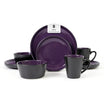
Reactive-glaze dinnerware brings depth and variation to the table. During firing, minerals in the glaze respond to heat in ways that create nuanced color movement, speckles, and one-of-a-kind finishes. That individuality is part of the appeal: your place settings feel collected and considered rather than factory-flat.
For microwave use, the key question remains the manufacturer’s designation. A properly fired, food-safe reactive glaze on microwave-safe stoneware is made for daily life, not just for a shelf. Inspect plates periodically, however. If you notice deep cracks, flaking glaze, or significant crazing that catches food residue, retire the piece from regular food service and replace it.
Minor utensil marks are often surface marks from flatware rather than cracks in the glaze. Gentle cleaning with a nonabrasive sponge is usually enough. Avoid harsh scouring powders and sudden temperature shifts, both of which can dull a finish over time.
Choosing Plates for Your Home
Start with how you actually eat. A busy family may favor durable, high-fired stoneware with a generous rim and enough weight to feel stable in small hands. A couple building a wedding registry may prefer fine bone china that makes weekday dinners feel more polished while remaining practical for reheating. Frequent hosts may choose a coordinated collection of dinner plates, salad plates, and bowls that transitions from brunch to holiday gatherings without needing separate “special occasion” dishes.
Look beyond a single microwave-safe claim. Consider plate size, stackability, glaze finish, dishwasher compatibility, and whether replacement pieces are available. Dinnerware earns its place in your home through repetition: the morning oatmeal, the reheated lunch, the meal you serve when friends stay late.
Beautiful plates should invite use, not caution. Choose clearly labeled, lead- and cadmium-free dinnerware, treat it kindly around temperature changes, and let your everyday table carry a little more care.


Leave a comment
This site is protected by hCaptcha and the hCaptcha Privacy Policy and Terms of Service apply.