


Safe, non-toxic ceramic dinnerware must pass California Proposition 65 testing and contain zero lead and cadmium. The vessels that hold your daily meals are just as critical to human health as the organic ingredients placed upon them. While modern culinary trends emphasize clean eating and chemical-free lifestyles, many households completely overlook the potential chemical hazards resting directly on their dining tables. Everyday plates and bowls, if manufactured using substandard techniques, can serve as active sources of heavy metal exposure. For families seeking to secure a truly healthy kitchen environment, investing in certified lead-free ceramic dinnerware sets and non-toxic stoneware dinnerware sets is an essential preventative health measure.

Why Lead and Cadmium Lurk in Substandard Glazes
To understand why heavy metals are present in everyday kitchenware, one must analyze the basic chemistry of ceramic manufacturing. Unfired clay, such as porous earthenware or unvitrified stoneware, is naturally permeable and incapable of holding liquids safely. To seal these pores and create a smooth, hygienic surface, manufacturers apply a liquid glaze—essentially a thin layer of glass—and fire the vessel in a high-temperature kiln.
Historically, lead has been widely used in ceramic glazes as a fluxing agent. In glaze chemistry, a flux lowers the melting point of silica (the primary component of glass). By adding lead, factories can fire their ceramic plates sets at much lower temperatures while still achieving a perfectly smooth, brilliant, and transparent glaze. Similarly, cadmium is introduced as a metal pigment to create vibrant red, bright orange, and deep yellow decorative patterns.
The fundamental risk arises when these pieces are fired in poorly calibrated kilns or at inadequate temperatures. If the firing temperature is too low, the lead and cadmium particles fail to bind completely into the silica matrix. This leaves the heavy metals chemically unstable and highly susceptible to leaching directly into your food.
Real-World Catalysts for Chemical Leaching
When food is served on unstable glazes, chemical leaching is triggered and accelerated by specific environmental catalysts that occur during daily kitchen use:
- Dietary Acids: Highly acidic foods and beverages—such as tomato sauces, citrus juices, vinegar, coffee, tea, and wine—react chemically with unstable glazes, extracting heavy metals at an accelerated rate. Scientific testing demonstrates that cooking acidic meals in poorly fired pottery can cause them to extract up to nine times more lead than non-acidic meals.
- Thermal Stress: Heating food directly on compromised ceramic plates and bowls sets in a microwave or oven accelerates the kinetic energy of the leaching process, rapidly drawing toxins out of the glaze and into the food.
- Mechanical and Chemical Wear: Over time, knife scratches, surface abrasions, and harsh automatic dishwashing detergents wear down the protective glaze layer, making it increasingly easy for underlying toxins to migrate into meals.
Once ingested, these heavy metals present severe, cumulative health hazards. Lead is a potent neurotoxin that accumulates in the skeletal and nervous systems. In children, chronic low-level exposure is linked to learning disabilities, developmental delays, and permanent deficits in cognitive development. In adults, it is associated with hypertension, cardiovascular disease, and kidney damage. Cadmium is classified as a known human carcinogen that can cause lung, prostate, and kidney cancers, while also damaging reproductive systems and fetal development.
Ceramic Material Comparison and Safety Profiles
Different ceramic categories and thermal processing choices directly dictate chemical leaching risks and domestic durability. Choosing high-temperature ceramic materials is the most reliable way to ensure long-term safety. When ceramics are high-fired above 1200°C, the clay and glaze undergo complete vitrification, creating an exceptionally strong, glass-like, and non-porous barrier that prevents heavy metal migration.
| Ceramic Category | Typical Firing Temperature | Glaze Vitrification Level | Heavy Metal Leaching Risk | Relative Durability & Safety Profile |
|---|---|---|---|---|
| High-Fire Porcelain | >= 1200°C | Complete (non-porous, glassy structure) | Extremely Low (typically achieves 0.0 PPM) | High density; exceptional resistance to chipping, scratching, and chemical erosion. |
| Fine Bone China | >= 1200°C | Complete (dense and translucent) | Very Low (requires pure raw materials) | Lightweight yet highly resilient; ideal for elegant, everyday dinnerware sets. |
| Artisan Stoneware | 1100°C - 1200°C | High to Complete (vitrified clay body) | Low (if processed with lead-free stoneware glazes) | Thick, durable, and highly chip-resistant; ideal for rustic, heat-retaining table service. |
| Low-Fire Earthenware | Below 1000°C | Low (porous clay base remains active) | High (frequently relies on low-temp lead fluxes) | Fragile and highly prone to glaze cracking, crazing, and heavy metal leaching. |

Understanding Safety Labels: FDA vs. Proposition 65 vs. Truly Lead-Free
When searching for the safest dinnerware options, consumers frequently encounter different labeling claims. Knowing the technical differences between these terms is crucial for securing a non-toxic kitchenware environment.
- "Meets FDA Standards" (Low-Lead, Not Zero-Lead): The United States Food and Drug Administration (FDA) establishes maximum allowable limits for extractable lead and cadmium based on the volume and shape of the dish. Under federal guidelines, flat plates are permitted to leach up to 3.0 mg/L of lead, and cups, mugs, or pitchers can leach up to 0.5 mg/L. Because these limits represent a tolerable leaching threshold rather than an absolute absence of toxins, an FDA-compliant product is technically a low-lead product rather than a zero-lead product.
- "California Prop 65 Compliant" (Strict Consumer Safety): California's Proposition 65 enforces significantly more stringent safety margins, setting chemical exposure limits that are up to ten times stricter than federal FDA levels. The Prop 65 limit for extractable lead in flat tableware is capped at 0.226 mg/L, and hollowware (bowls and mugs) is capped at 0.100 mg/L. A product certified as California Prop 65 compliant dinnerware has been verified by rigorous laboratory testing to leach toxins well below these extreme safety limits, allowing it to be sold without health warning labels.
- "Truly Lead-Free (0.0 PPM)" (The Gold Standard): For the highest level of household safety, the ideal standard is a laboratory test result of 0.0 PPM (parts per million). Unlike regulatory standards that only measure allowable leaching from the finished glaze, a truly lead-free product guarantees that no lead or cadmium was introduced at any stage of manufacturing—from raw clay sourcing to final glazing and firing. This ensures the dinnerware remains 100% safe even if the surface becomes chipped, scratched, or heavily worn over years of daily kitchen use.
Comparative Chemical Limits for Ceramic Tableware (Lead and Cadmium)
| Tableware Category | FDA Maximum Permissible Lead Limit | California Prop 65 Maximum Lead Limit | Truly Lead-Free Target (0.0 PPM Standard) |
|---|---|---|---|
| Flat Tableware (Plates, Platters) | 3.0 mg/L | 0.226 mg/L | 0.0 PPM (Non-detectable) |
| Small Hollowware (Bowls, Small Cups <= 1.1 L) | 2.0 mg/L | 0.100 mg/L | 0.0 PPM (Non-detectable) |
| Large Hollowware (Serving Bowls, Pitchers >= 1.1 L) | 1.0 mg/L | 0.100 mg/L | 0.0 PPM (Non-detectable) |
| Cups, Mugs, and Tumblers | 0.5 mg/L | 0.100 mg/L | 0.0 PPM (Non-detectable) |
| Lip and Rim Decorated Area (Top 20 mm) | N/A | <= 0.5 mg/L (Lead) / <= 0.5 mg/L (Cadmium) | 0.0 PPM (Non-detectable) |
How to Verify If Your Ceramic Dinnerware Is 100% Non-Toxic
Because heavy metals are completely invisible, odorless, and tasteless, identifying safe non-toxic dinnerware sets requires a systematic approach. Homeowners can protect their households by following this strict evaluation checklist before making a purchase:
- Demand Third-Party Laboratory Reports: When purchasing new dinnerware, look for brands that offer transparent access to laboratory test results. Reputable manufacturers will provide official testing certificates (such as SGS or FDA reports) confirming that their products achieved 0.0 PPM or fully comply with California Prop 65.
- Conduct a Tactile and Visual Glaze Inspection: Carefully inspect the surface finish of the dishes. Avoid ceramic plates sets that exhibit rough textures, uneven glazing, pinholes, or bubbling, as these are clear indicators of poor kiln firing and incomplete glaze fusion.
- Avoid Over-Glaze Painted Decorations: Run a finger across any painted patterns or colorful borders. If the decoration feels raised or if the brush strokes can be felt on top of the glaze, the paint was applied after firing. These over-glaze decorations come into direct contact with food and are highly susceptible to chemical leaching and physical wear.
- Identify and Avoid High-Risk Categories: Certain styles of tableware carry a much higher statistical risk of containing heavy metals. Vintage family heirloom china (manufactured before the 1970s), unbranded handcrafted pottery from tourist markets, and rustic earthenware (such as traditional Mexican terra cotta pots or highly decorated bright orange/red interior glazes) should be kept strictly for display rather than used to serve hot, acidic meals.


Elevating Table Safety with High-Fired Artisan Dinnerware by HomeVSS
For modern families seeking to balance kitchen safety with elegant, contemporary design, HomeVSS provides an exceptional range of certified lead-free and cadmium-free dinnerware. Built on a foundation of strict quality control and heritage craftsmanship, every batch of HomeVSS dinnerware undergoes rigorous testing to guarantee that it is 100% non-toxic and fully California Prop 65 compliant.
The superior durability and safety profile of HomeVSS ceramic ware is achieved through their specialized high-firing production process. Each piece is fired in high-heat kilns at temperatures up to 1200°C (2192°F). This intense thermal processing completely vitrifies the clay body, turning it into a dense, non-porous structure that prevents any heavy metal migration, ensuring that hot liquids, microwave heating, and acidic ingredients can be enjoyed daily with complete peace of mind.
HomeVSS offers two distinct material collections beautifully tailored for everyday homes:
High-Fired Artisan Stoneware (Rustic Farmhouse Style)
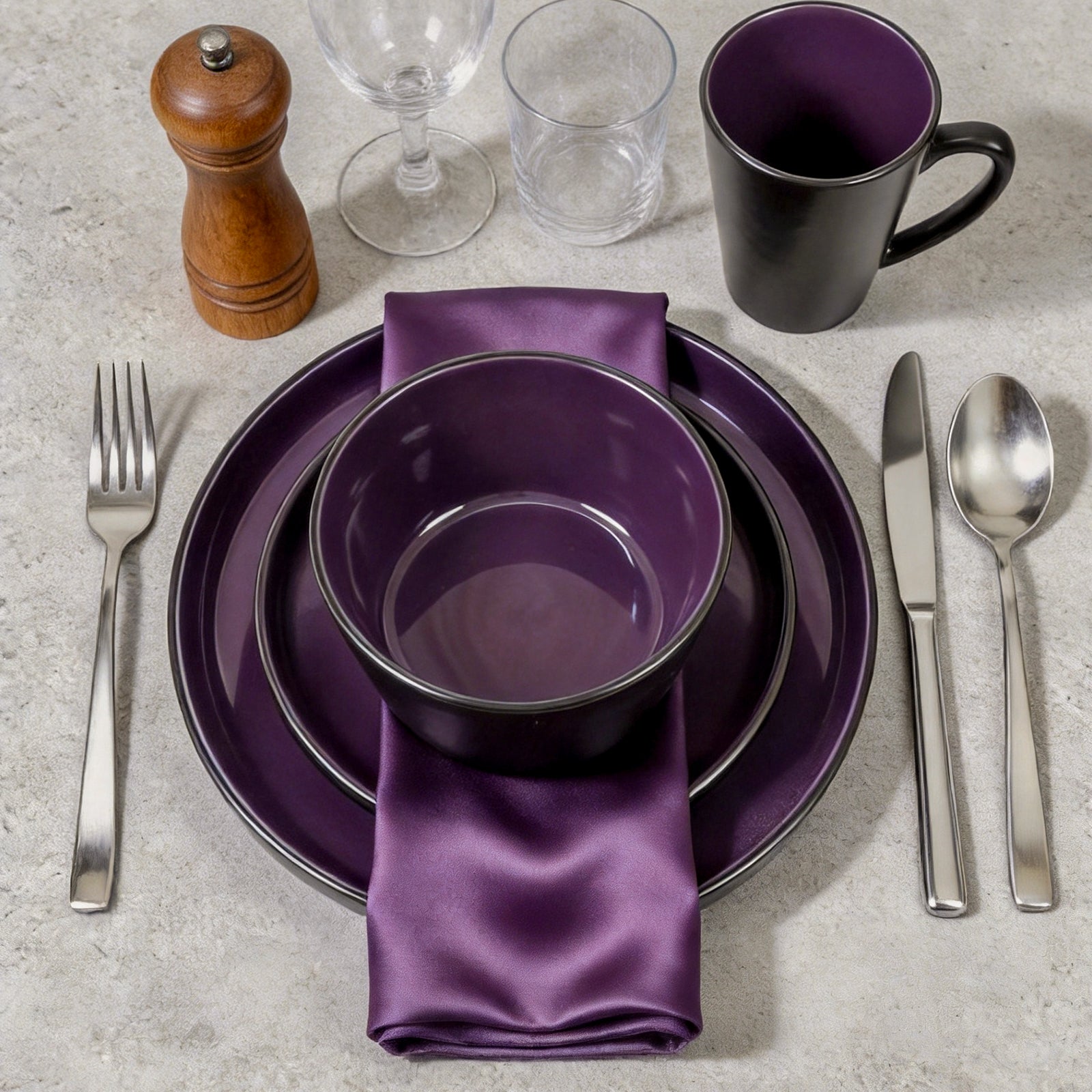
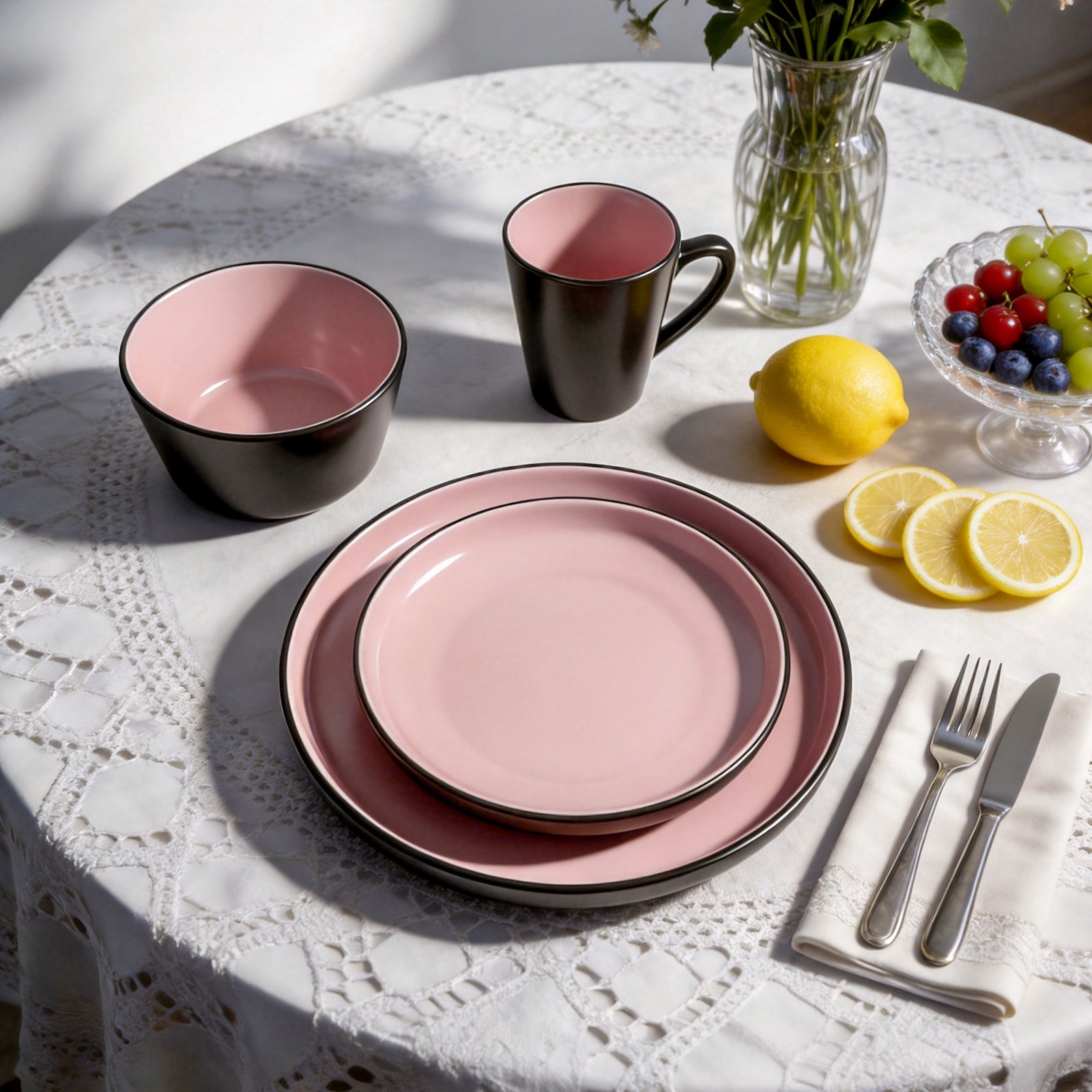
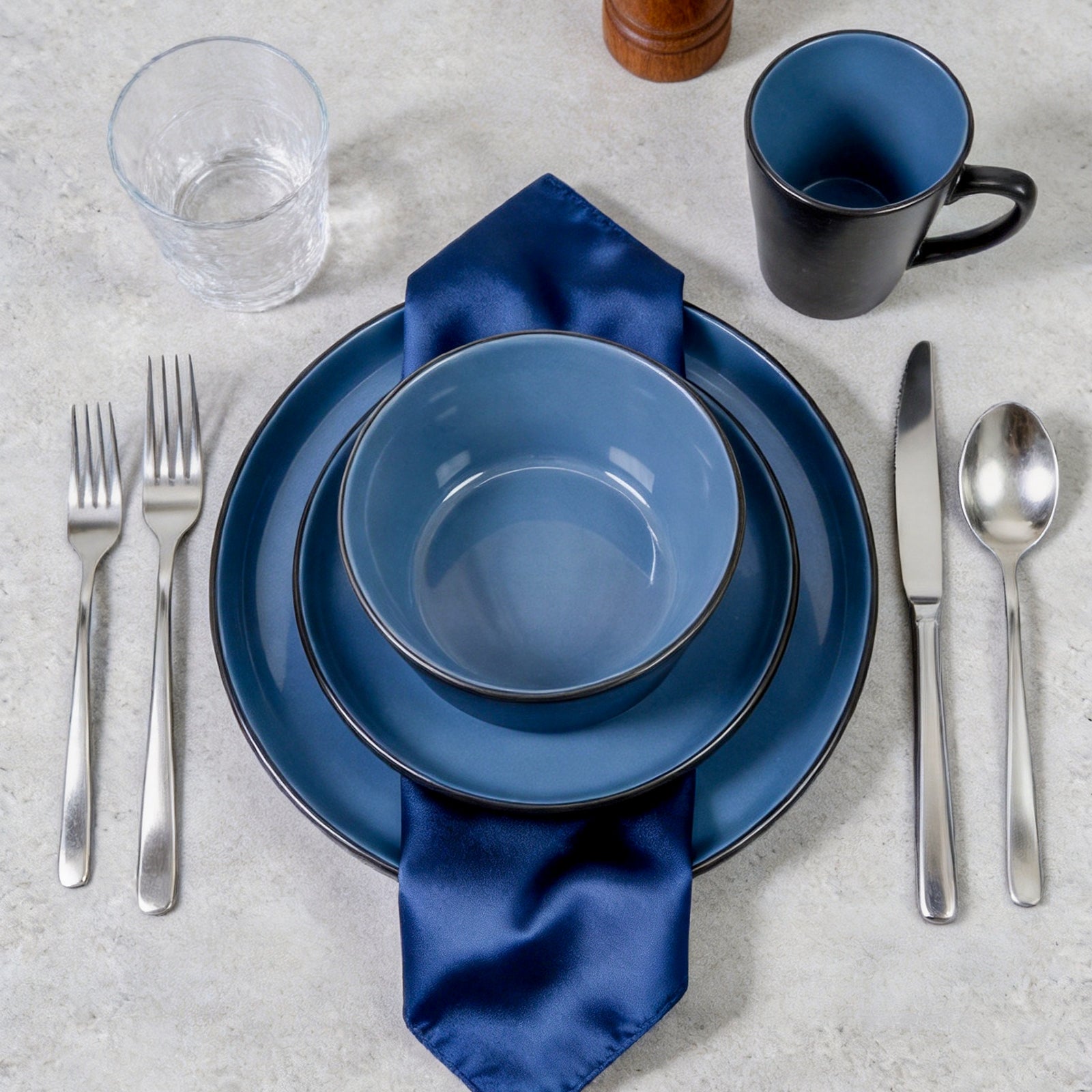
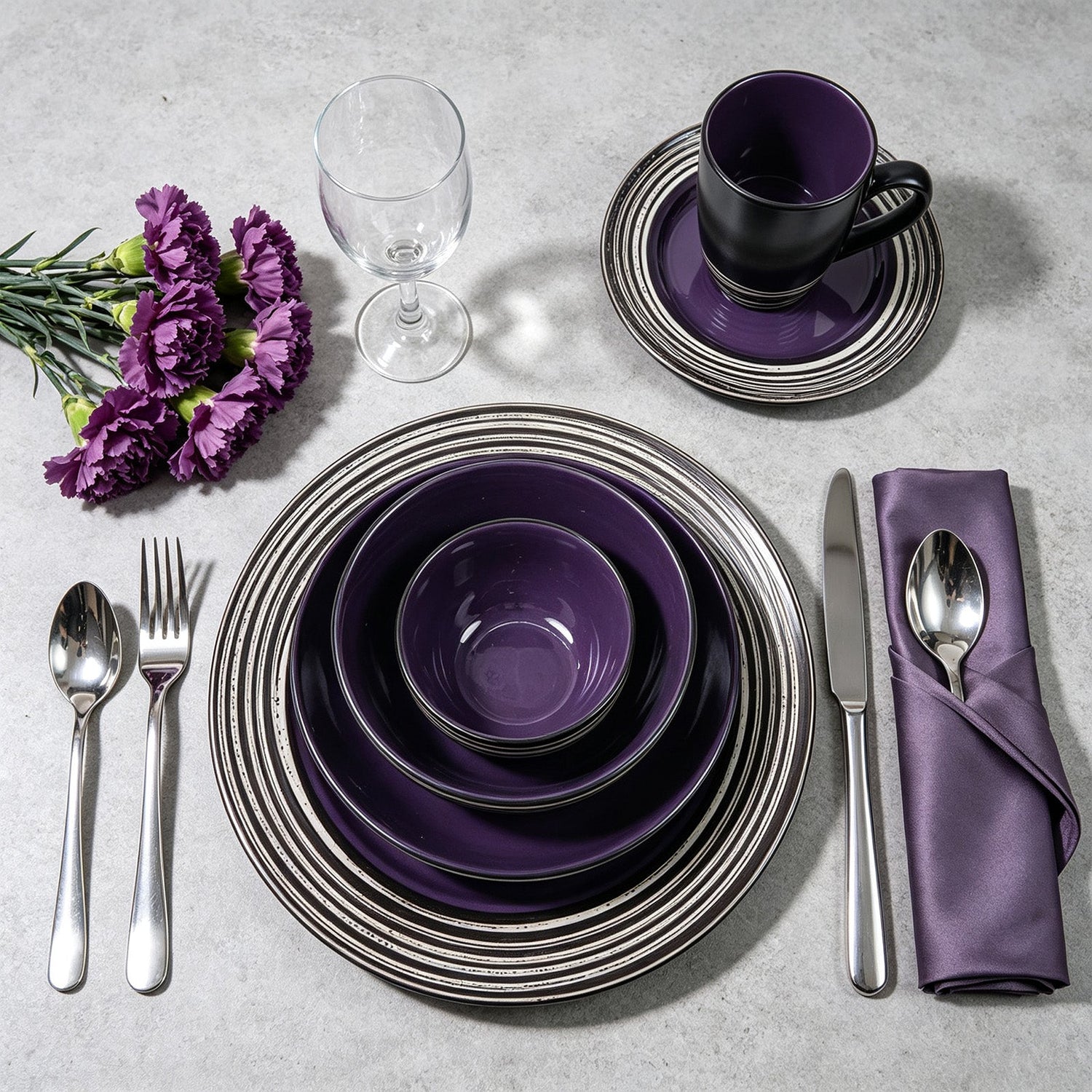
The HomeVSS non-toxic stoneware dinnerware sets are crafted for outstanding durability and daily utility. Fired at 1200°C, these artisan stoneware plates and bowls are thicker, exceptionally chip-resistant, and finished with beautiful, one-of-a-kind hand-brush glazes. A popular consumer favorite is the Sonoma Stoneware Dinnerware Set. Perfectly matching the aesthetic of a Rustic Farmhouse style, these everyday dinnerware sets are highly scratch-resistant and easily withstand high-heat automatic dishwasher cycles.
Fine Bone China (Modern Minimalist Style)
For those who prefer a lightweight and elegant table setting, the HomeVSS Modern Cone Bone China Dinnerware Set offers a bold, minimalist take on contemporary dining. Fired at high temperatures for a dense, translucent finish, this collection is highly resilient and chip-resistant despite its delicate feel. The all-white, lead-free ceramic dishes are completely non-porous, meaning they will never absorb food oils, stains, or odors over years of heavy daily use.

Frequently Asked Questions (FAQ)
Is "FDA approved" ceramic dinnerware completely safe?
Not necessarily. FDA standards permit a tolerable threshold of toxic leaching (up to 3.0 mg/L) rather than an absolute absence of heavy metals. For maximum household safety, you should always look for California Prop 65 compliance or "Truly Lead-Free" (0.0 PPM) certifications.
Can I use vintage family china or handcrafted tourist pottery for hot meals?
It is highly discouraged. Vintage family heirlooms manufactured before the 1970s and unbranded pottery from local tourist markets carry a statistically high risk of unstable low-temperature glazes that leach lead and cadmium when exposed to heat and dietary acids. They are best kept for display purposes only.
Is HomeVSS dinnerware safe for microwave, oven, and dishwasher use?
Yes. Both the High-Fired Artisan Stoneware and Fine Bone China collections from HomeVSS are fully microwave, oven, and dishwasher safe, providing ultimate everyday convenience alongside absolute chemical safety.
Secure a Healthier Kitchen Today
Ready to transition your home to verified, non-toxic dinnerware? To ensure your kitchenware arrives in perfect condition, HomeVSS packs all items using premium, drop-tested materials and offers free shipping on orders over $50 within the contiguous United States.
Furthermore, the brand provides a worry-free Breakage Replacement Policy. If any piece arrives damaged during transit, simply email a photo to info@homevss.com to receive a free replacement immediately, making it safe, secure, and easy to invest in healthy, high-quality dinnerware for your family.


Leave a comment
This site is protected by hCaptcha and the hCaptcha Privacy Policy and Terms of Service apply.