

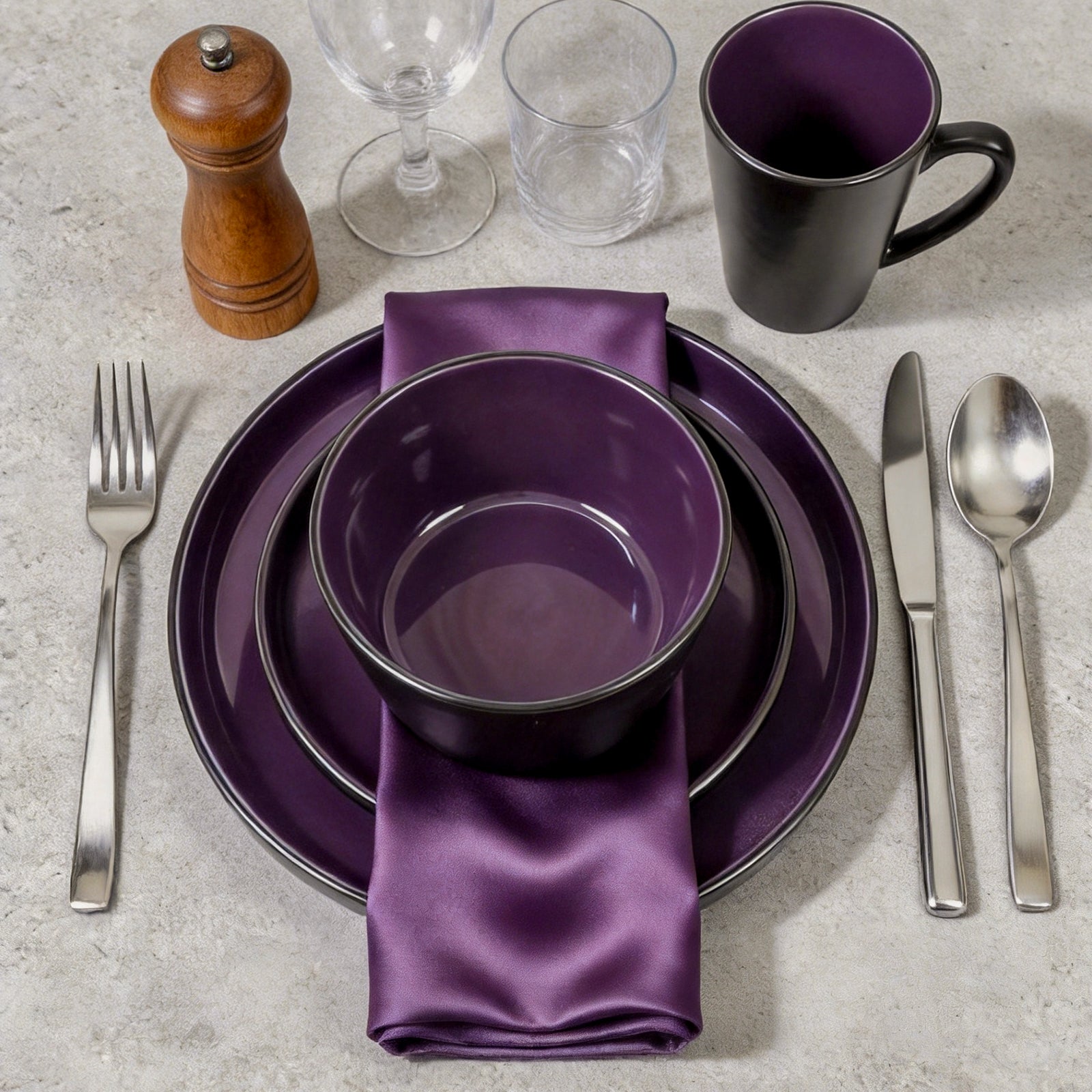
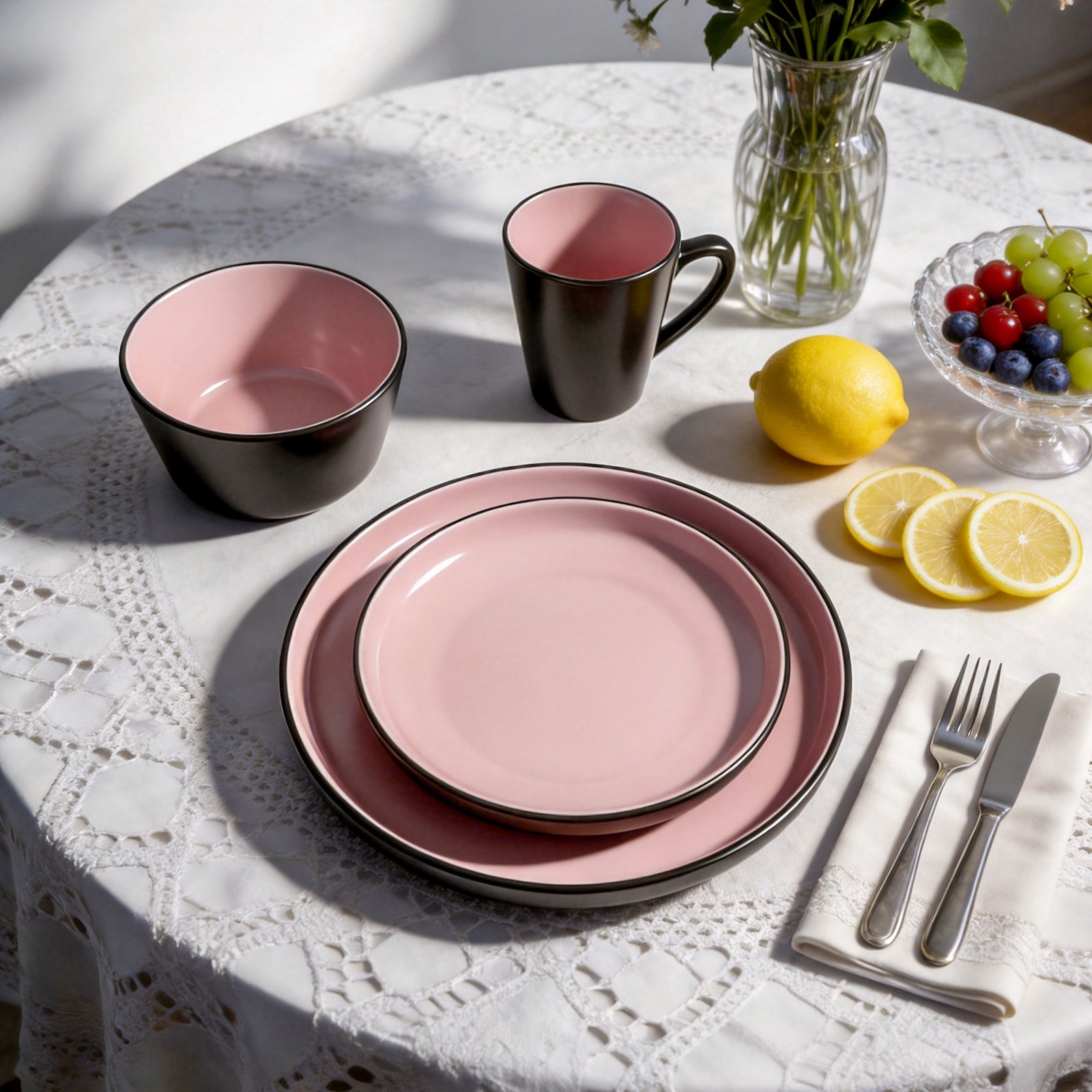
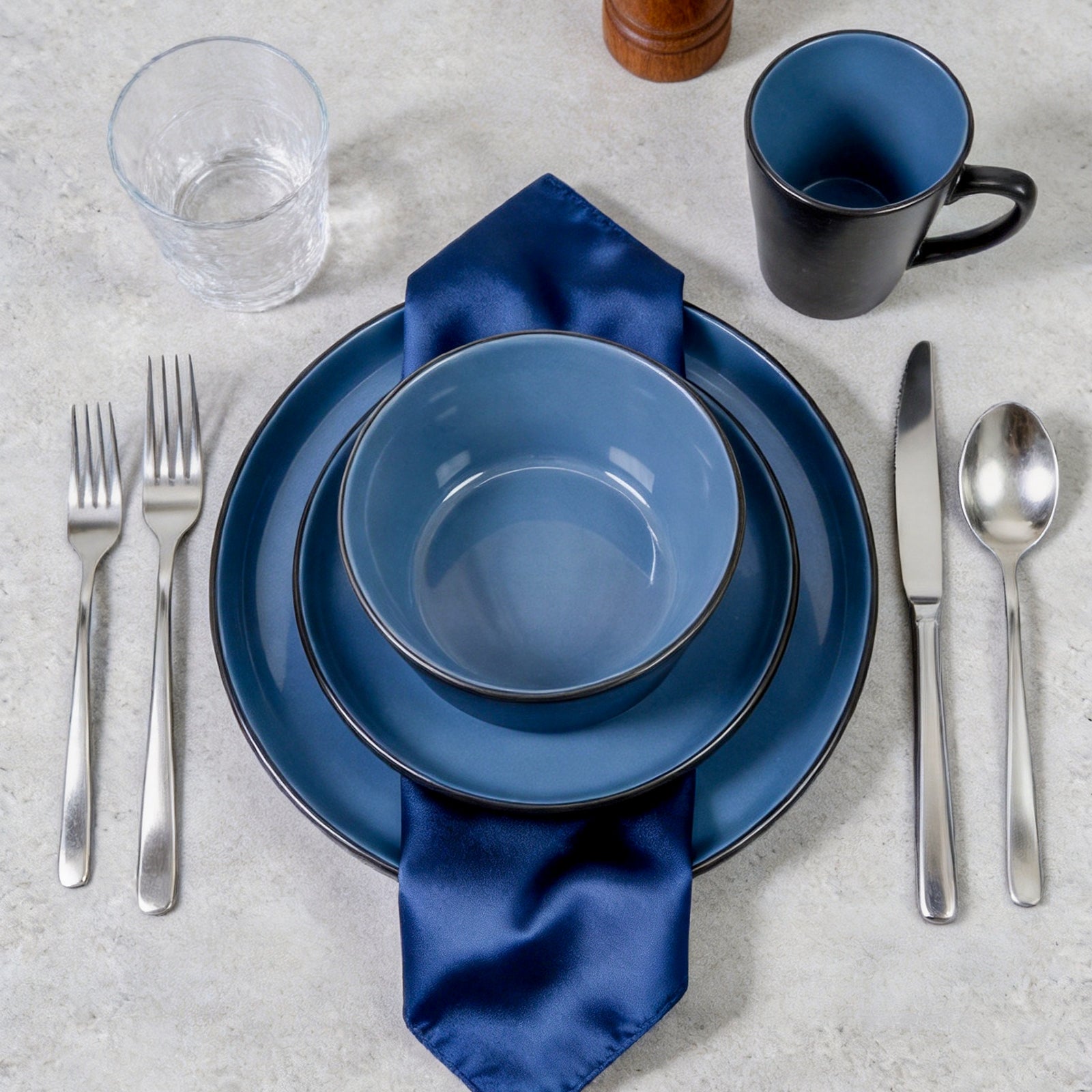


A dinner plate is one of the most frequently used objects in a home. It holds hurried weekday breakfasts, birthday cake, family dinners, and the meal you set out when friends stay late. That is why a lead free dinnerware guide should be about more than reading a label. It should help you choose pieces that feel considered, perform beautifully, and meet a clear standard for everyday safety.
Lead-free dinnerware is not a passing trend or a detail reserved for parents of young children. It is a sensible expectation for anyone building a kitchen with intention. The good news is that beautiful tableware and thoughtful safety standards can belong together.
What Does Lead-Free Dinnerware Mean?
Lead is a metal that has historically been used in some ceramic glazes and decorative finishes because it can add shine, depth, and color. On properly made contemporary dinnerware, manufacturers can use lead-free glaze systems and control firing processes to create a durable finished surface without relying on lead.
When a brand states that its dinnerware is 100% lead and cadmium-free, that claim should apply to the finished food-contact product, not simply to the clay body before glaze is added. The glaze matters because it is the surface your food and drinks touch every day.
There is an important distinction between a product being described as food-safe and one being explicitly identified as lead-free. Food-safe is a broad term that may refer to compliance with applicable standards. An explicit lead-free statement is clearer for shoppers who want to prioritize that material choice. When the information is not readily available, it is reasonable to ask the seller before bringing the pieces to your table.
Lead Free Dinnerware Guide: Start With the Material
The best material depends on how you eat, host, clean up, and store your dishes. A thoughtfully made set should support your routine rather than ask you to save it for special occasions.
Stoneware for relaxed, everyday durability
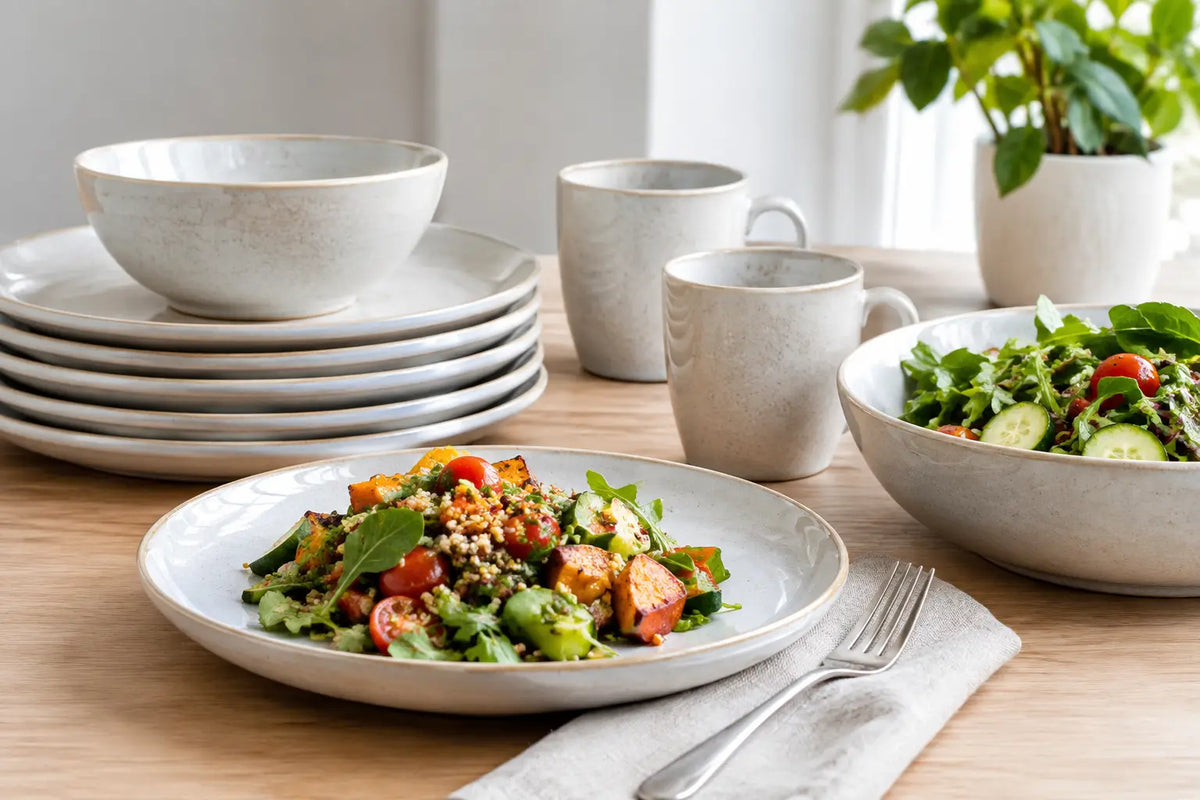
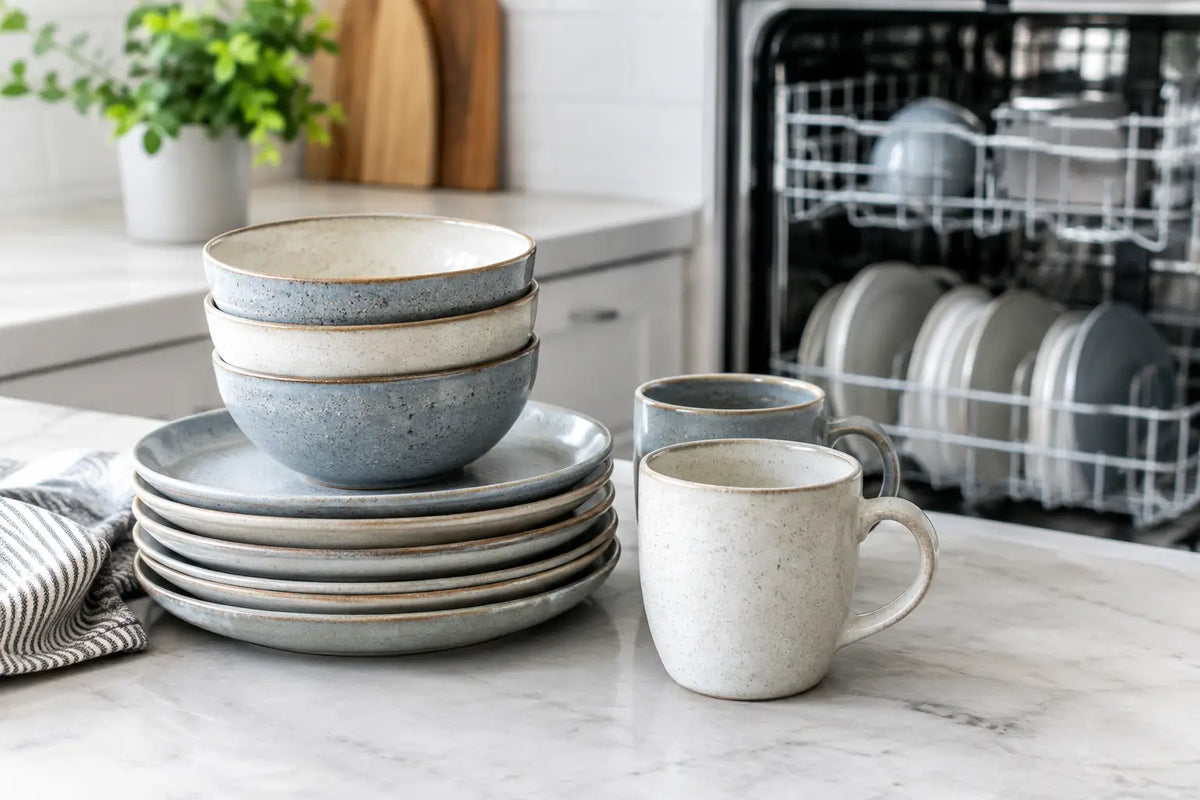
Stoneware is a favorite for daily meals because it has a pleasing weight, a grounded look, and a substantial feel in the hand. High-fired stoneware is made to withstand regular use, and its slightly more casual character works beautifully from cereal at the counter to a full dinner table.
Look for high firing temperatures, such as up to 1200°C, paired with a clearly stated lead- and cadmium-free standard. High firing helps create a dense, durable ceramic body and a well-bonded glaze. It does not make any piece indestructible, but it is a meaningful sign that the dinnerware was made with everyday resilience in mind.
Stoneware is especially well suited to families, frequent hosts, and anyone who wants one coordinated collection that does not feel overly formal. A matte or reactive glaze can add visual richness while still allowing the table to feel easygoing.
Fine bone china for a lighter, more polished setting
Fine bone china offers a more refined profile. It is often thinner and lighter than stoneware, with a smooth finish that brings a sense of luxury order to a table without requiring a formal occasion. For wedding registries, anniversary gifts, and homes where presentation matters as much as practicality, it is an elegant choice.
Its lighter feel does not automatically mean it is fragile. Quality fine bone china can be remarkably durable for its profile, although it may be a less forgiving option than substantial stoneware in a crowded family kitchen. Consider how often dishes will be stacked, carried by children, or used outdoors before deciding which material best fits your household.
Porcelain and ceramic pieces
Porcelain and other ceramic dinnerware can also be excellent lead-free choices when the manufacturer is transparent about materials and glaze testing. The category name alone is not a safety guarantee. A clear product specification is more useful than assumptions based on color, weight, price, or country of origin.
Read Product Details With a Practical Eye
A beautiful photo can help you imagine a table, but product details tell you whether a collection is ready for your life. Start by looking for a direct statement on lead and cadmium. Ideally, it should be easy to find and written without vague qualifiers.
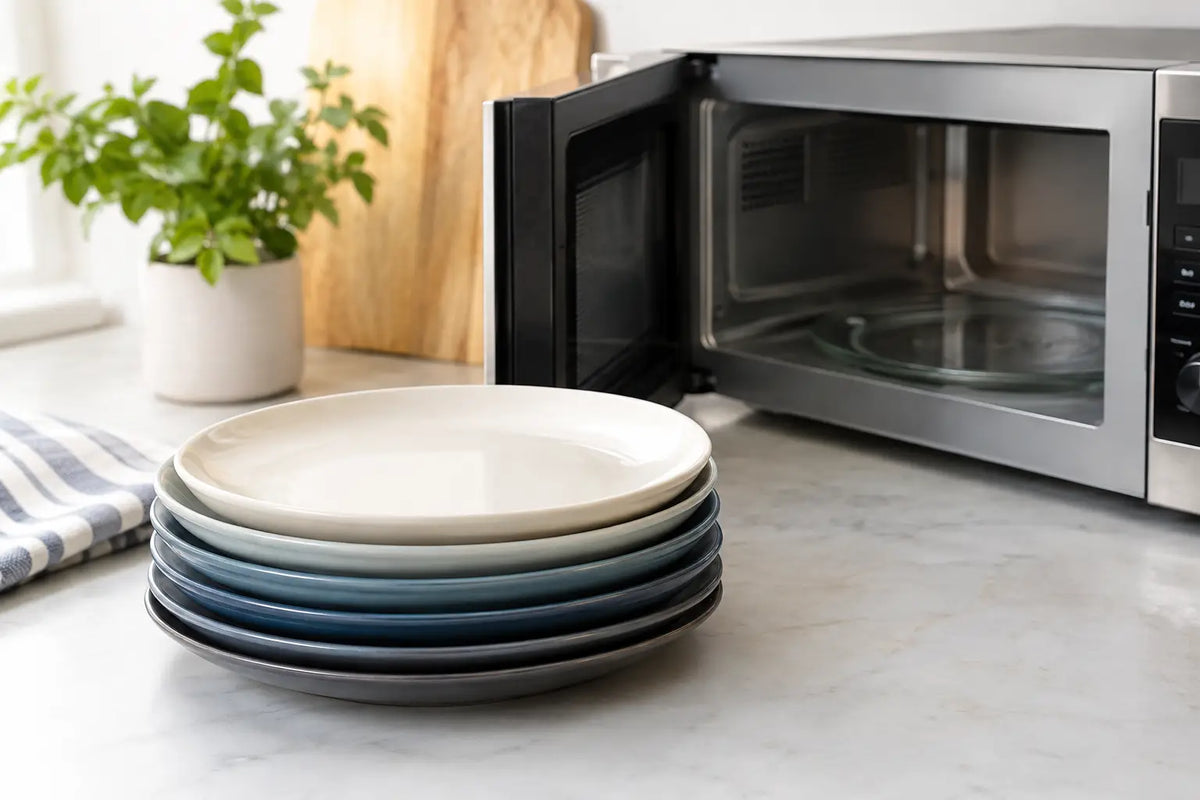
Then consider the finish. Decorative decals, metallic rims, bright exterior paints, and hand-applied details can be lovely, but they deserve closer attention. Ask whether the decoration is intended for food contact and whether the piece is dishwasher or microwave safe. Metallic accents, in particular, may limit microwave use even when the dinnerware itself is lead-free.
For handmade, vintage, antique, or imported pieces with uncertain provenance, use extra care. A treasured platter can remain part of your home without becoming your everyday serving dish. This is not a reason to avoid all older ceramics, but it is a reason not to rely on guesswork where food contact is concerned.
A reliable product page should also tell you what to expect from everyday use. Dishwasher-safe and microwave-safe claims are useful, as are dimensions, place-setting contents, and care guidance. These details make it easier to choose a set that works with your cabinets, dishwasher, and habits.
Reactive Glazes: Character With Consistency
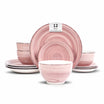
Reactive-glaze dinnerware is known for its layered color, organic variation, and one-of-a-kind appearance. During firing, minerals in the glaze respond to heat in ways that create subtle movement across the surface. Two bowls from the same collection may share the same overall palette while never looking perfectly identical.
That variation is part of the appeal. It gives everyday tableware the character of a collected table while preserving the convenience of a coordinated set. Still, reactive glaze should not be treated as a safety claim by itself. The right question is not whether a glaze is reactive, glossy, or matte. The question is whether the finished dinnerware is clearly tested and specified as lead- and cadmium-free.
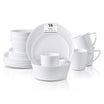
If you prefer a more uniform look, choose a collection with a solid glaze or clean white finish. If you enjoy depth and visual warmth, reactive stoneware brings personality without asking you to mix unrelated patterns. Both can make a polished table. The better choice is the one you will reach for most often.
Choose a Set That Covers Real Meals
A standard dinner set is often built around dinner plates, salad or dessert plates, bowls, and mugs. Before selecting a large set, think about the meals you actually serve. Households that enjoy pasta, grain bowls, or soups may benefit from deeper, wider bowls. Frequent entertainers may appreciate extra dinner plates and serving pieces more than additional mugs.
For a first home or registry, starting with enough place settings for your household plus a few guests is usually more practical than buying a very large assortment immediately. Individual plates and bowls are useful for filling gaps later, especially if a collection is offered as open stock.
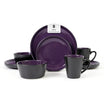
Color also deserves a practical decision. Neutral dinnerware makes seasonal linens, colorful food, and serving pieces easy to layer. A saturated blue, green, or earth-toned glaze can become the visual anchor of the table. There is no wrong answer, but a collection should work with your daily kitchen as comfortably as it works for a holiday gathering.
Care That Protects Your Investment
Even durable dinnerware benefits from a little attention. Avoid sudden temperature changes, such as moving a chilled plate directly into a hot oven, unless the manufacturer specifically says it is oven-safe. Do not use cracked or deeply crazed pieces for food service, particularly when the history or composition of the item is unknown.
Stack plates with care, especially if you have open shelving or tightly packed cabinets. A soft liner between special pieces can reduce surface scuffs. For dishwasher-safe dinnerware, avoid overcrowding the rack, where plates can knock together during a cycle.
Breakage can happen in transit or at home, even with well-made ceramics. That is why a customer-friendly replacement policy has real value. HomeVss pairs high-fired, 100% lead- and cadmium-free dinnerware with free breakage replacement, helping customers buy design-forward pieces with more confidence.
The best dinnerware is not the set you are afraid to use. Choose lead-free pieces with clear specifications, a finish you enjoy seeing every day, and the durability to carry ordinary meals with a little more beauty.


Leave a comment
This site is protected by hCaptcha and the hCaptcha Privacy Policy and Terms of Service apply.