







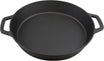

A skillet with a blackened layer of stuck-on food can look beyond saving, especially after a rushed weeknight dinner. The good news is that you can clean burnt cast iron without sacrificing the seasoning that gives it a naturally slick cooking surface. The right method depends on whether you are dealing with scorched food inside the pan, sticky residue, or heavy carbon buildup on the exterior.
Cast iron is built for years of daily meals, from crisp-edged cornbread to slow-simmered sauces. It does ask for a little more care than a nonstick pan, but that care is simple: remove the residue, dry the iron completely, and replenish the thin layer of oil that protects the surface.
Start With the Kind of Burn You Have
Before reaching for an abrasive cleaner, let the pan cool until it is safe to handle. Do not plunge hot cast iron into cold water. A sudden temperature change can stress the metal and, in rare cases, cause cracking or warping.
If the burnt layer is food residue on the cooking surface, begin gently. Often, a short simmer and a firm scrub are enough. If the pan has a thick, shiny, sticky coating, the issue may be overheated oil rather than food. That residue can take more patience, because it has bonded to the seasoning layer. Carbonized buildup on the bottom or sides of the pan is different again: it is mostly cosmetic unless it affects how evenly the pan sits or heats.
How to Clean Burnt Cast Iron Step by Step
Place the cooled skillet in the sink and rinse away loose debris with hot water. Add enough water to cover the stuck-on area, then set the pan back on the stove. Bring the water to a gentle simmer for three to five minutes. The heat softens burned food and loosens it without requiring a long soak.
Turn off the heat and carefully pour out the water. While the skillet is still warm, scrub with a stiff nylon brush, a cast-iron scrubber, or a nonmetal pan scraper. Work in small circles, focusing on the stubborn spots. A little dish soap is acceptable when needed. Modern dish soaps do not contain the lye that once made soap a concern for cast iron, although there is no need to use it every time.
For residue that remains, add a tablespoon or two of coarse kosher salt with a few drops of water or cooking oil. Use a folded paper towel or clean cloth to scrub the salt across the surface. The salt provides mild abrasion without gouging the iron. Rinse, inspect the pan, and repeat once if necessary rather than scrubbing aggressively for too long.
Avoid soaking cast iron overnight. Water left against bare or weakened areas can create rust surprisingly quickly. Also skip steel wool unless you intend to strip and re-season the pan. It will remove stubborn debris, but it can also take off more seasoning than the job requires.
For a Thick Layer of Burned-On Food
When simmering water and salt do not make a difference, use a baking soda paste. Mix baking soda with a small amount of water until it is spreadable, then rub it over the affected area with a nonabrasive scrubber. Let it sit for a few minutes, not hours, and scrub again.
Baking soda is useful because it helps lift acidic and greasy residue, but it is mildly alkaline. Leaving it on cast iron for an extended time can dull the seasoning. Rinse thoroughly once the food releases.
If a pan has been badly neglected, stripping and reseasoning may be the cleaner path. This is not a failure. Seasoning is renewable, and a well-made cast-iron skillet can be restored many times over its life.
Dry It Immediately, Then Protect the Surface
Cleaning is only half the job. Dry the pan with a lint-free towel, then place it over low heat for a minute or two. This evaporates moisture from the surface and from the small pores in the iron. Do not leave an empty pan heating unattended or over high heat.
Once dry, add a very thin film of neutral cooking oil. Canola, grapeseed, vegetable, or avocado oil all work well. Rub the oil over the interior with a paper towel, then use a clean section of the towel to buff away the excess. The skillet should look lightly satin-finished, not wet or greasy.
If cleaning revealed dull gray patches, bare metal, or small spots of rust, give the pan a quick seasoning refresh. Apply a nearly invisible layer of oil to the entire pan, including the handle and exterior. Bake it upside down at 400 to 450°F for about one hour, with a sheet pan or foil on the rack below to catch any drips. Let it cool in the oven. A thin coating creates a stronger finish than a heavy one, which can become sticky.
What About Burn Marks on the Outside?
A dark exterior is common on a well-used skillet, grill pan, or Dutch oven. If it is smooth and the cookware sits flat, it does not need to be removed. That deepened patina is part of cast iron's working character.
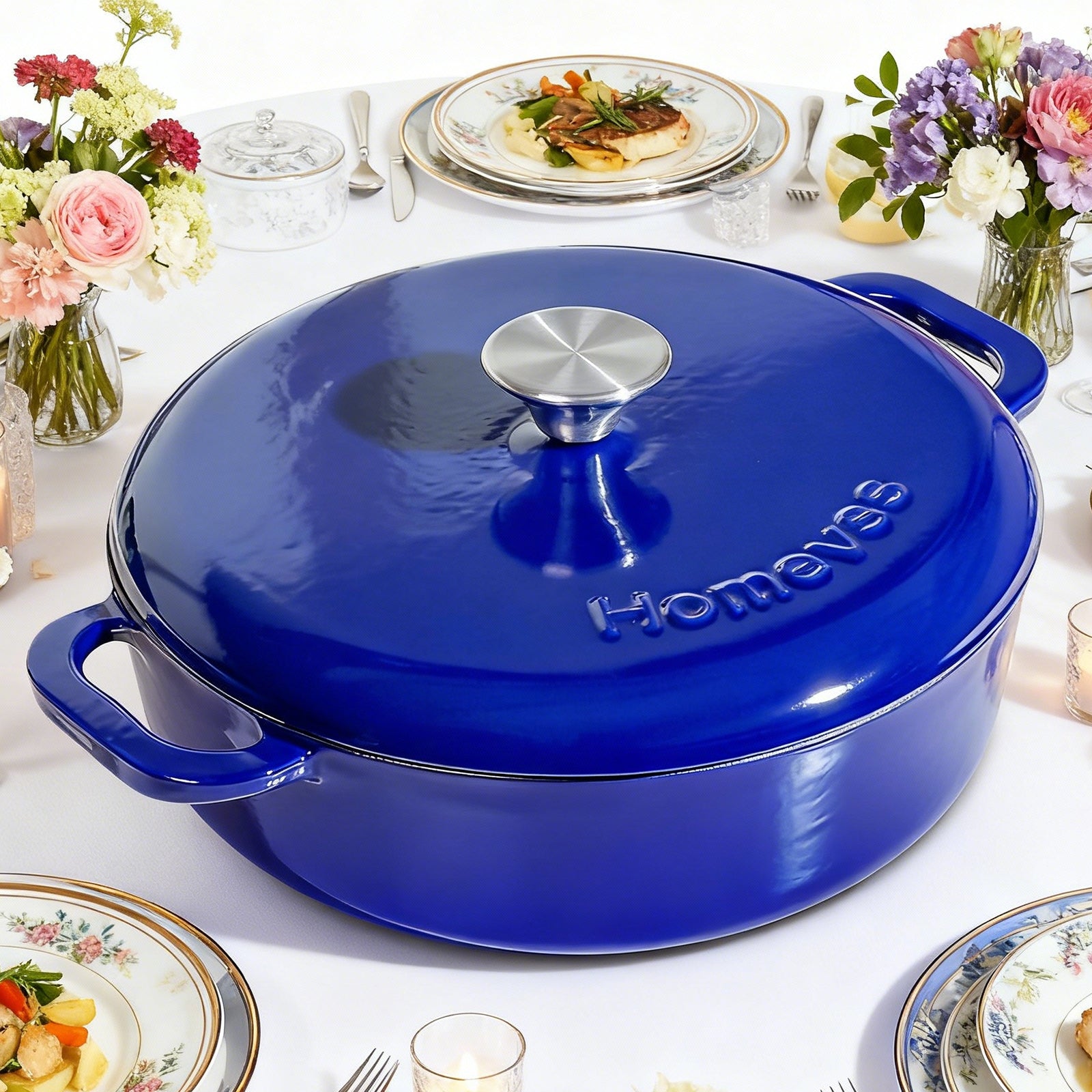
For uneven, flaky buildup, scrub the exterior with hot water, a stiff brush, and a small amount of baking soda paste. Take care around enameled cast iron, however. An enameled Dutch oven has a glass-like coating, not a seasoning layer, so the care is different. Do not use metal scouring tools, harsh oven cleaner, or forceful scraping on enamel, as these can scratch or dull the finish.
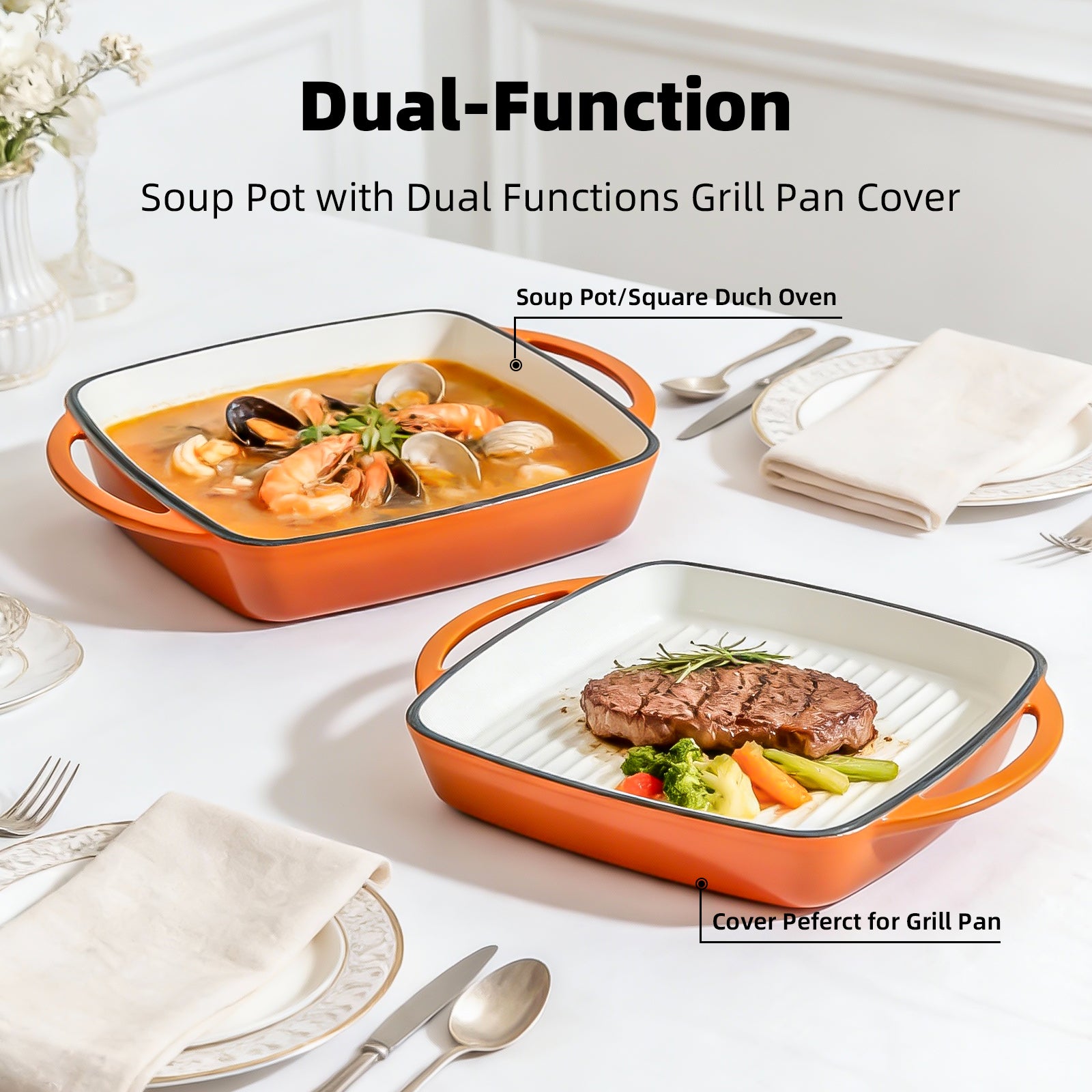
Bare cast iron cookware benefits from gradual care. A HomeVss cast-iron skillet or Dutch oven is designed to move from everyday family cooking to a table worth setting with intention, and regular cleaning helps preserve both its performance and presentation.
Common Mistakes That Make the Job Harder
The biggest mistake is trying to solve every burnt pan with maximum force. Harsh cleaners, a long soak, or repeated steel-wool scrubbing can turn a small cleanup into a full restoration project. Another common issue is applying too much oil after washing. Thick oil does not create better seasoning. It bakes into a tacky surface that attracts more residue the next time you cook.
Heat management prevents many burnt-on messes in the first place. Cast iron holds heat exceptionally well, so give it time to preheat over medium or medium-low heat rather than starting with the burner on high. Add oil only after the pan is warm, and lower the heat once food begins to brown. This is especially helpful for eggs, fish, sugary glazes, and sauces that can scorch quickly.
It also helps to clean the skillet soon after cooking, once it has cooled enough to handle. Fresh residue usually lifts with hot water and a brush. Waiting until the next day is not disastrous, but it gives oils and food particles more time to harden.
When Rust Appears After Cleaning
A small orange spot is usually easy to correct. Scrub the rust with a brush or fine steel wool, rinse briefly, and dry over low heat. Apply a thin layer of oil and season the pan in the oven if the affected area is larger than a small spot.
Do not retire cast iron because it looks imperfect after one burnt meal. The material is remarkably forgiving, and its finish improves through repeated cooking, cleaning, and light oiling. With a measured approach, even a pan that looks rough after dinner can be ready to make tomorrow's breakfast beautifully.
The next time something sticks, treat the pan as a durable piece of kitchen craftsmanship, not a disposable problem: use heat, gentle abrasion, and a fresh whisper of oil, then let the skillet keep earning its place in your kitchen.




Leave a comment
This site is protected by hCaptcha and the hCaptcha Privacy Policy and Terms of Service apply.