






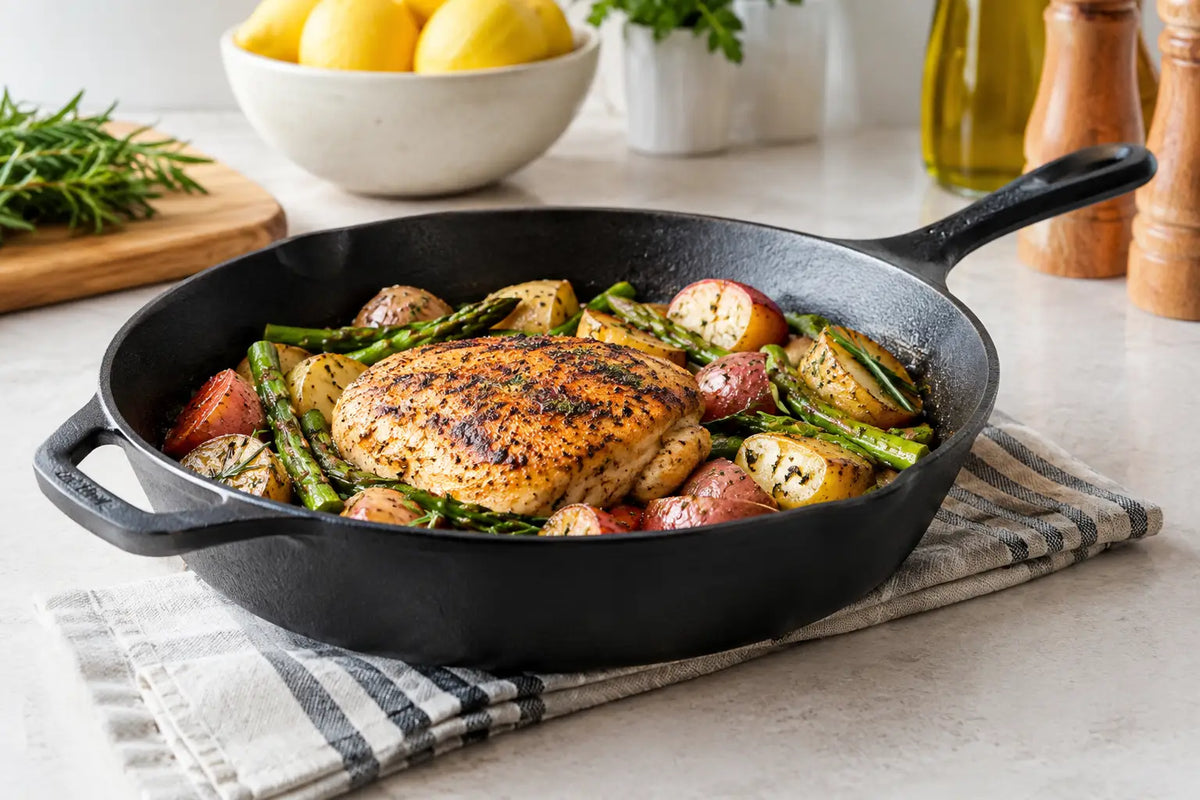
A good skillet earns its place when dinner needs to move from a hard sear to a low simmer without changing pans. This cast iron skillet review focuses on what matters after the first impressive steak: heat performance, usable design, seasoning, care, and whether cast iron truly suits the rhythm of your everyday kitchen.
Cast iron is not the lightest or fastest cookware choice. It asks for a little more intention at the sink and on the stove. In return, it offers the kind of steady, confident cooking that makes crisp-edged cornbread, deeply browned chicken thighs, and bubbling skillet cobbler feel easy enough for a weeknight and polished enough for company.
Cast Iron Skillet Review: What Makes One Worth Buying
The defining strength of a cast iron skillet is heat retention. Once the pan is fully preheated, its heavy walls and base hold temperature exceptionally well. Add a steak, burger, or batch of mushrooms, and the cooking surface is less likely to cool down immediately. That stability encourages browning rather than steaming, which is where so much flavor begins.
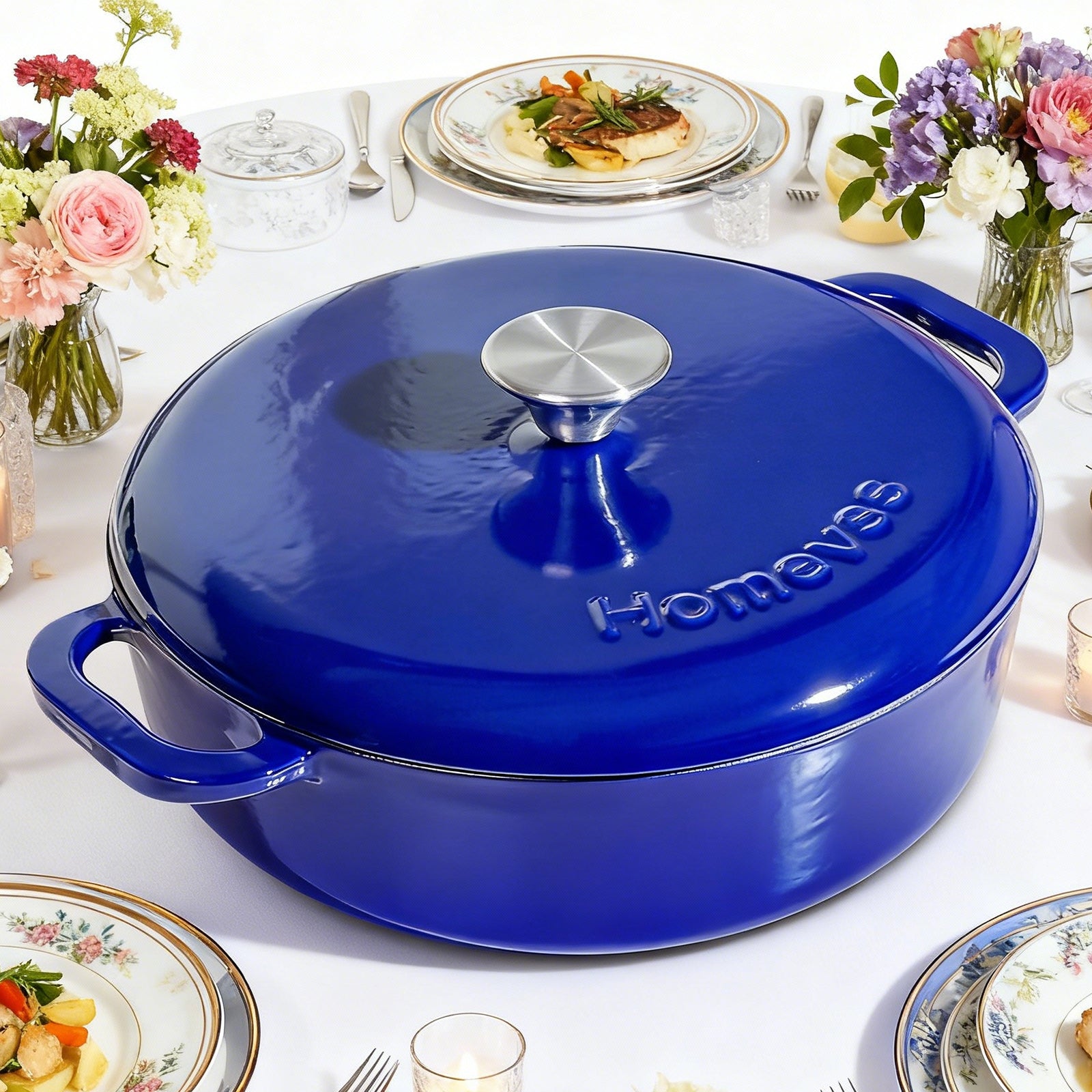
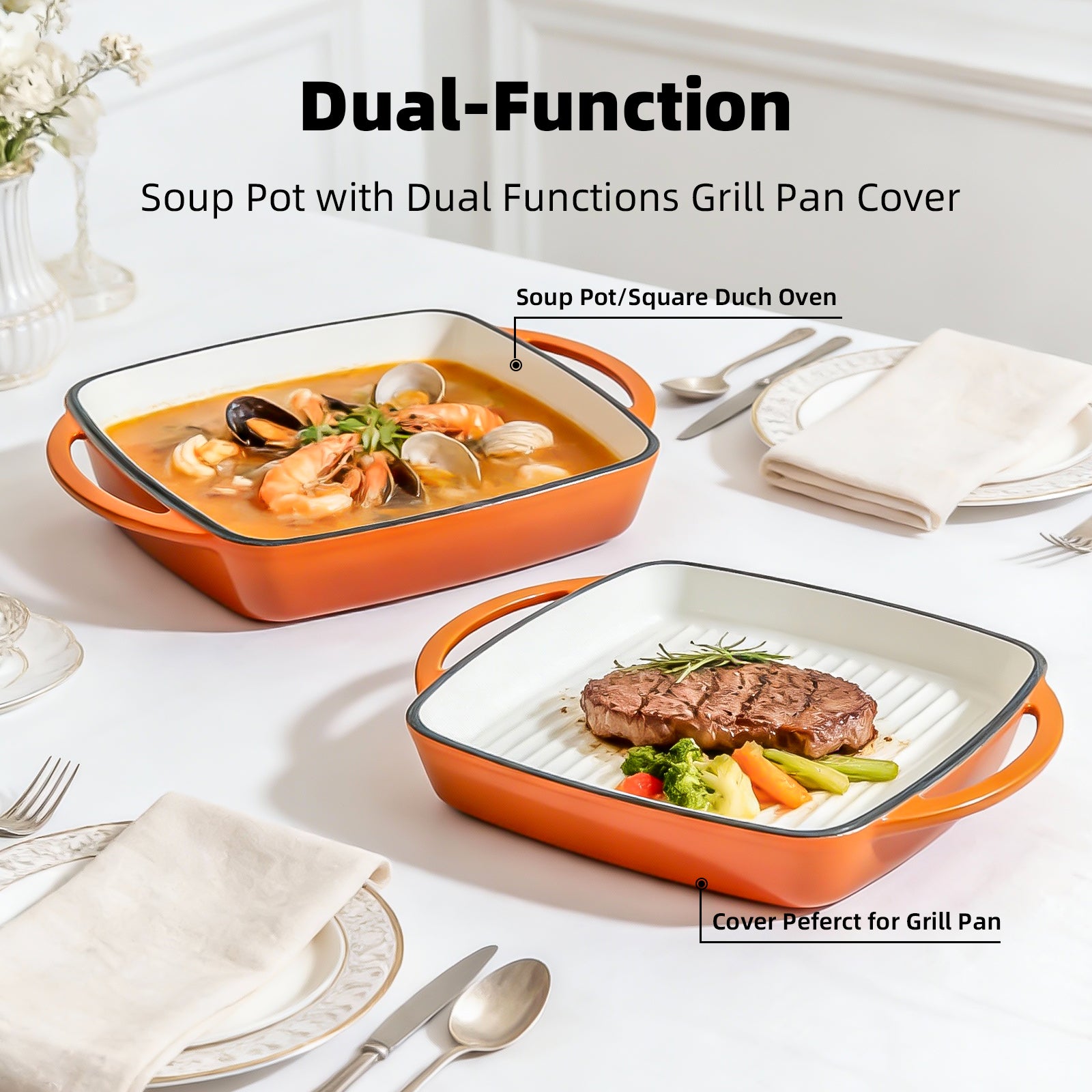
This is also why cast iron works beautifully for dishes that start on the stovetop and finish in the oven. A frittata sets evenly, a fruit crumble develops a golden topping, and roasted chicken can arrive at the table in the same handsome vessel it was cooked in. For hosts, that oven-to-table presence has real value. The pan looks purposeful rather than purely utilitarian.
The trade-off is preheating time. Cast iron needs several minutes to warm through, particularly on an electric or glass-top range. Turning the burner to high and rushing the process can create hot spots before the sidewalls have caught up. A moderate setting and patient preheat usually produce better results, and they are gentler on the seasoning as well.
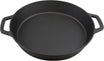
A worthwhile skillet should feel balanced for its size. It will be heavy, but the handle should offer a secure grip and enough length to keep your hand comfortably away from heat. A helper handle opposite the main handle is especially useful on 10- and 12-inch skillets, where lifting a full pan of baked pasta or hot oil with one hand is simply not practical.
Pour spouts are another small detail with a large payoff. They make it easier to transfer pan drippings, warm butter, or a sauce without creating a mess along the rim. A subtly flared edge also helps when sliding eggs or pancakes onto a plate.
The cooking surface matters more than a mirror finish
Many cooks assume a perfectly smooth interior is automatically superior. In practice, a pre-seasoned skillet with a slightly textured surface can become impressively slick through regular use. What matters is an even cooking surface, reliable seasoning, and proper technique: preheat the pan, use enough cooking fat, and let food release naturally before trying to turn it.
A smoother surface can make delicate eggs and fish feel more approachable. Yet it is not a substitute for seasoning or heat control. Even a beautifully finished pan will stick if cold food hits insufficiently warmed iron or if a sugary glaze burns onto the surface.
Look for a skillet with a clean, consistent finish and no rough casting seams along the handle or rim. The pan should sit flat on the cooktop without rocking. These are basic quality markers, but they affect daily use more than decorative details ever will.
Seasoning, Safety, and Everyday Care
Seasoning is the thin, baked-on layer of oil that protects bare cast iron from rust and helps create a naturally easy-release surface. It is not a fragile coating that requires fear or ceremony. It improves with cooking, especially when the skillet is used for foods with a little fat.
For a new pan, cooking bacon, sautéing vegetables in oil, baking cornbread, or frying chicken are all friendly ways to build seasoning. After cooking, clean the skillet while it is still warm enough to make stuck-on food easier to remove. Hot water, a brush, and a small amount of mild soap when needed are entirely reasonable. The old rule that soap must never touch cast iron is more folklore than useful kitchen guidance.
Dry the pan thoroughly right away. A brief return to low heat removes lingering moisture, then a very thin wipe of neutral oil helps preserve the surface. The word thin matters. Excess oil can turn sticky, especially if it pools around the rim or handle.
Acidic recipes deserve a practical note. A well-seasoned skillet can handle a quick tomato sauce, a squeeze of lemon, or wine deglazing. However, long simmers of highly acidic food may weaken new or thin seasoning and can pick up a faint metallic taste. If your recipe calls for a long tomato braise, enameled cast iron or stainless steel is often the better choice.
For families who think carefully about the materials that touch their food, cast iron has a refreshingly straightforward appeal. Traditional bare cast iron has no synthetic nonstick layer to scratch or replace. The priority is choosing cookware from a dependable maker, caring for it properly, and selecting a size you can safely lift when it is hot and full.
Size, Weight, and the Right Skillet for Your Kitchen
For many homes, a 10-inch skillet is the most versatile starting point. It handles eggs for two, sautéed vegetables, grilled sandwiches, and a modest dessert without feeling unwieldy. A 12-inch skillet offers more room for family meals and entertaining, but its weight is significant once food is added. It is a wonderful workhorse if you regularly cook for four or more people, provided you have the storage and strength for it.
A smaller 6- or 8-inch skillet can be charming for individual baked dips, personal cookies, and side dishes. It should not be your only pan, but it makes an especially thoughtful addition to a gift set or a home where presentation is part of the pleasure of cooking.
Consider your cooktop, too. A broad skillet on a small burner may heat unevenly unless you give it extra time and rotate it occasionally. On induction, cast iron is generally an excellent match because its magnetic base responds directly to the burner. On glass cooktops, lift rather than drag the pan to protect the surface from scratches.
Where Cast Iron Shines and Where It Does Not
Cast iron is at its best when you want sustained heat, deep browning, baking capability, and a pan that can become more useful over time. It excels at seared meats, roasted vegetables, biscuits, pancakes, cornbread, shallow frying, and one-pan meals that benefit from a crisp finish.
It is less ideal when speed, lightness, or precise responsiveness is the priority. A thin omelet, a quick sauce that needs rapid temperature adjustments, or a large pot of acidic soup may be easier in stainless steel, carbon steel, or enameled cookware. This is not a shortcoming so much as a reason to build a kitchen with complementary pieces instead of expecting one pan to do every job.
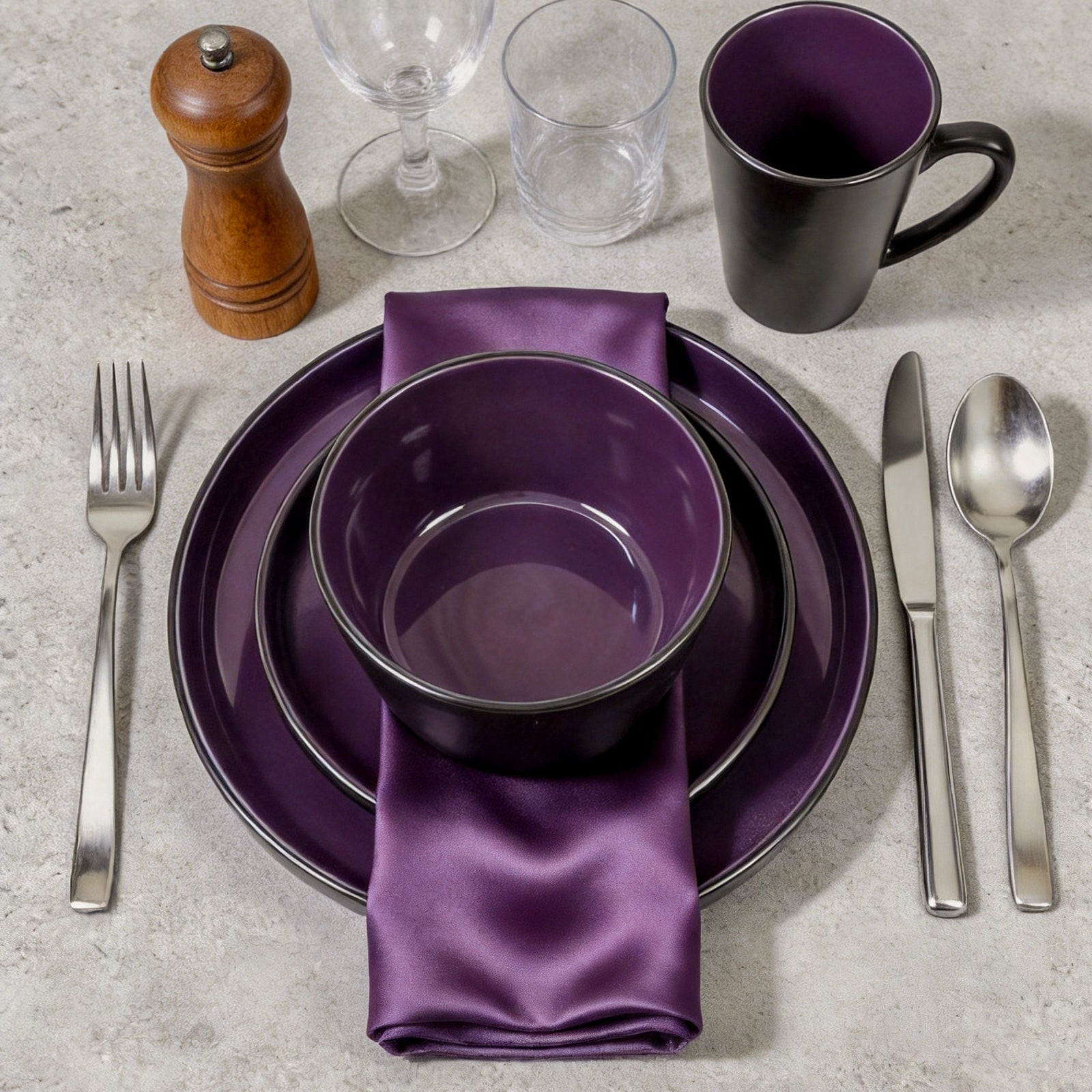
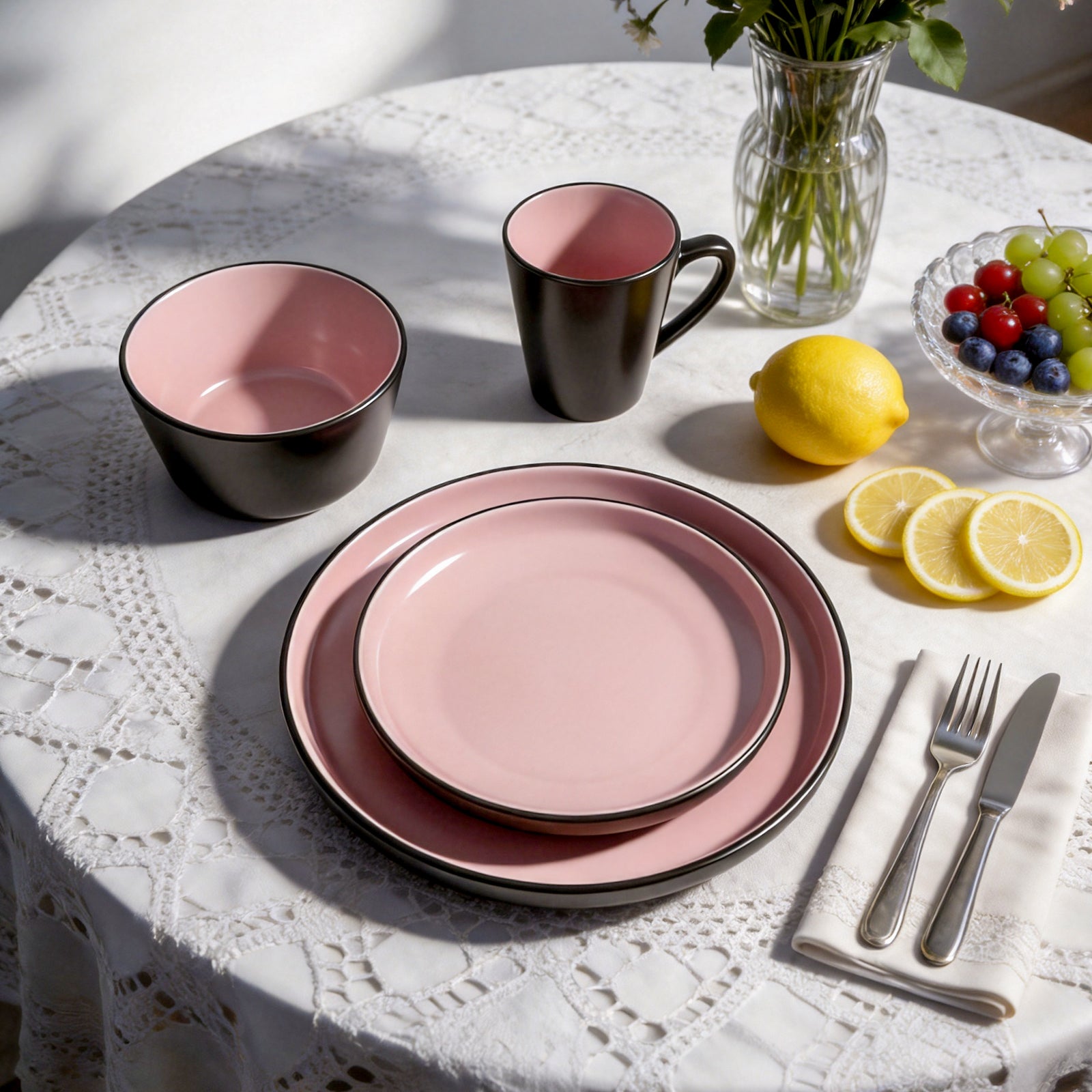
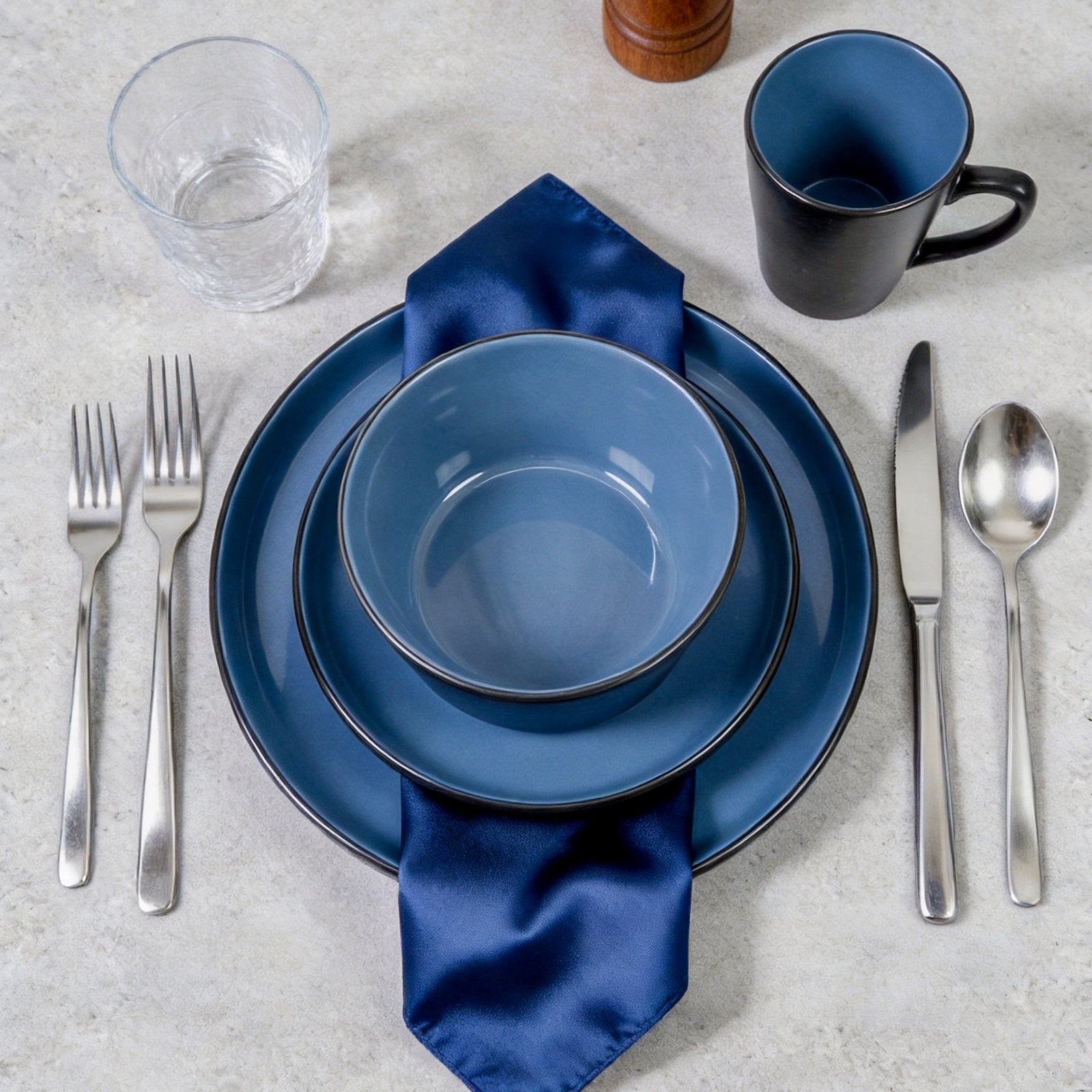
The best cast iron skillet is not necessarily the heaviest, most expensive, or most dramatic-looking option. It is the one you will reach for often enough to develop a dependable surface and a familiar cooking rhythm. For a kitchen built around beautiful, capable essentials, a well-made skillet has the same enduring appeal as thoughtfully chosen dinnerware: it is designed to be used, shared, and enjoyed rather than saved for a special occasion.
HomeVss approaches cookware with that balance in mind, pairing heritage-inspired materials with the practical standards modern homes need. A cast iron skillet rewards regular use, and each meal is another small investment in a piece that can serve your table for years.
Start with a size that feels comfortable in your hands, let it preheat patiently, and allow a few simple dinners to teach you what the pan can do. Before long, its weight will feel less like a compromise and more like a sign that dinner is in good hands.


Leave a comment
This site is protected by hCaptcha and the hCaptcha Privacy Policy and Terms of Service apply.