




If you’ve been searching for enamel cookware, enamelware, or an enameled cast iron dutch oven, you’ve probably noticed two things: some pieces are incredibly affordable, while others are premium and built to last. Understanding what enamel is—and how different enamel processes affect durability—helps you buy smarter and avoid outdated, low-quality options.
What Is Enamelware
Enamelware is made from two parts:
- a metal base (commonly low-carbon steel, cast iron, aluminum, copper, or stainless steel), and
- a glass-like enamel coating (porcelain enamel) fused onto the metal surface
How Enamel Coating Is Made
Enamel is typically fired in a furnace so the enamel fuses to the metal at high temperature. In many industrial processes, firing temperatures can reach roughly 880–930°C (1616–1706°F) to build strong bonding between enamel and the metal substrate.
That fused enamel layer is what gives enamel-coated cookware its smooth surface and protective performance—especially in products like enameled cast iron cookware.

Pros and Cons of Enamel Cookware
Like any material, enamel cookware has clear strengths and tradeoffs.
Pros
- Rust protection: The enamel coating helps prevent metal oxidation and rust.
- More stable & non-reactive surface: Enamel behaves more like glass, helping resist corrosion and reacting less with many foods.
- Easy to clean: The smooth surface reduces residue and makes cleanup simpler—one reason enameled cast iron dutch ovens are popular for everyday cooking.
- More hygienic (non-porous): A smooth, non-porous surface makes it harder for buildup to cling compared with porous materials.
- High-heat performance & heat retention: Enamel is fired at high temperatures and is often paired with metal cores (like cast iron) that heat evenly and retain heat well—great for soup pots, braises, and oven cooking.

Cons
- Heavier than stainless steel: The metal core plus enamel coating often means more weight.
- Not microwave-safe: The inside is metal, so it shouldn’t go in a microwave.
- Typically costs more: Enameling adds process steps and quality control, so prices can be higher than basic metal cookware.
Today’s Enamel Market: Europe vs. China
Europe: Mature applications beyond everyday household goods
European enamel manufacturing developed earlier, with mature standards and broader use in higher-demand areas such as appliance interiors, building applications, and medical-related uses—not just traditional household items.
China: Upgrading fast—strong supply chain and value
In the past, a large share of enamel products in China were low-priced, highly standardized daily-use items, which shaped the “cheap enamel” stereotype.
But that doesn’t describe the entire market today. Many manufacturers are now upgrading around:
- Full supply chain & stable delivery (material → forming → enameling/firing → inspection → packaging)
- Better value + efficiency (ideal for fast-moving global consumer markets)
- More scenario-driven product expansion into cookware, appliance interiors, and functional components
- Rising quality focus on food-contact safety, corrosion resistance, thermal shock resistance, wear resistance, and consistency
Don’t judge only by country name—judge by enamel thickness/consistency, edge durability, and the brand’s QC standards.
Types of Enamel: Which One Is Worth Buying?
Enamel is a fused glass coating on metal, but different application methods create big differences in durability and cost.
Dry enameling (electrostatic powder enameling)
Often called electrostatic powder enameling, this method uses electrically charged enamel powder sprayed onto metal, then fired at 800°C+ (1472°F+). It’s known for strong adhesion and a more uniform, durable enamel layer—but requires higher equipment investment.
This method is commonly used in appliance enamel interiors (ovens, steam bake ovens/combi ovens, water heaters, etc.)

Wet enameling (slurry / liquid enameling)
Wet enameling mixes enamel powder into a liquid slurry and sprays it onto metal, then fires around 400°C (752°F). It’s simpler and cheaper, but can be less uniform and more prone to issues if the coating isn’t well controlled.
It’s often used for lower-cost daily-use items or decorative enamelwork where multi-color application is needed.

Which Enamel Products Are Actually Worth Buying?
Enamel oven interiors
Enamel interiors are widely used because they heat efficiently, distribute heat evenly, hold temperature well, and are easier to wipe clean thanks to the smooth, non-porous surface.
Enamel cookware
Enamel cookware shares the same core benefits: fast, even heating, strong heat retention, and easy cleaning—especially for slow cooking, braising, stews, and simmering.
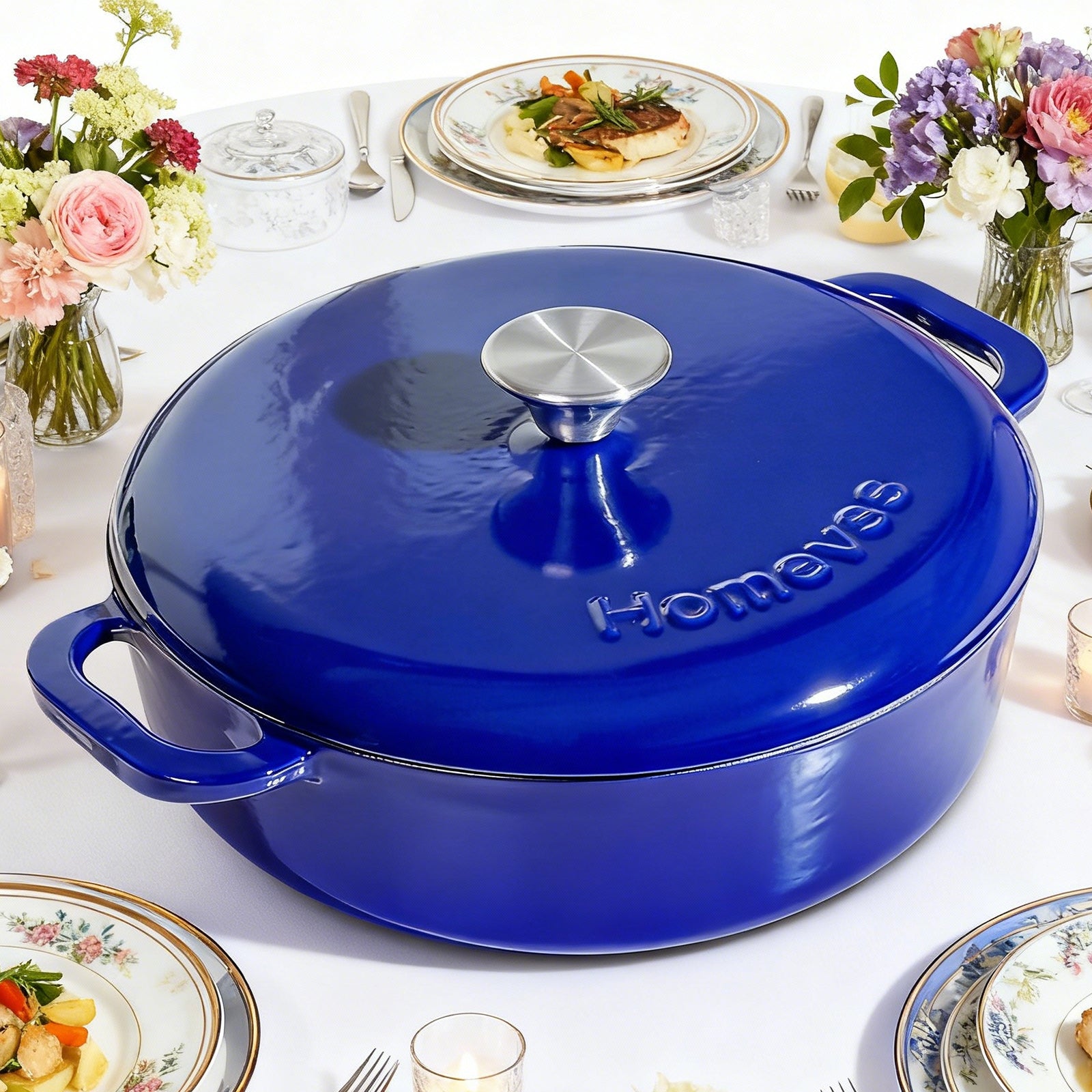
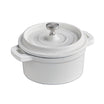
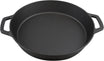
For US shoppers, one of the most searched, most versatile pieces is the enameled cast iron dutch oven—often also searched as “Dutch oven for bread baking” and “sourdough bread dutch oven.”
Many enameled cast iron pieces are also induction compatible and oven safe (always verify the knob/handle rating on the product page).
HomeVSS Picks:
-
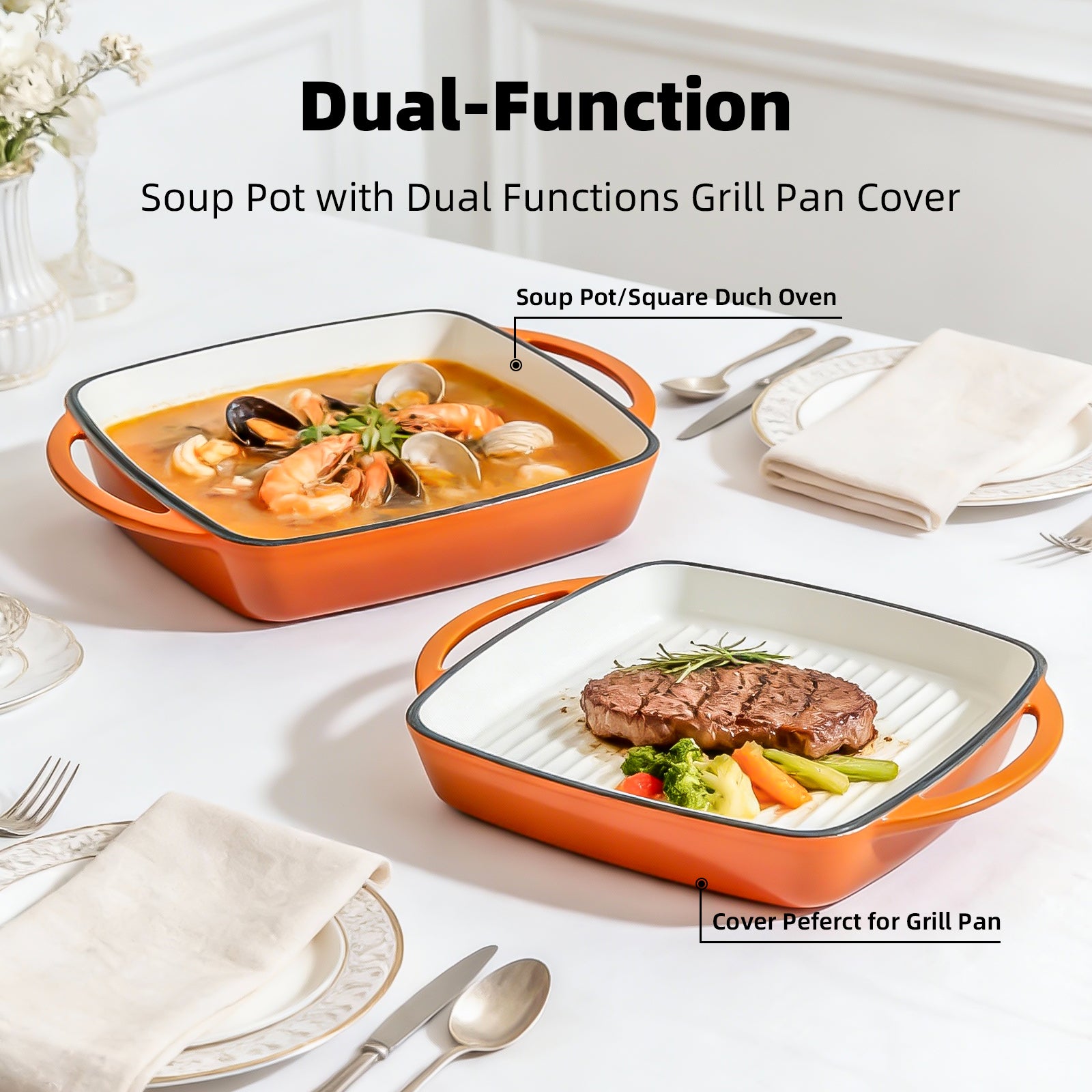
7-Quart Square Enameled Cast Iron Double Dutch Oven


-
5.5-Quart Enameled Cast Iron Dutch Oven


-
6.5-Quart Enameled Cast Iron Double Dutch Oven


Enamel technology has improved significantly in material control and process control. Better products perform far more strongly in hardness, wear resistance, corrosion resistance, and thermal shock resistance than the “chip-too-easily” enamel many people remember.
To shop smarter, focus on measurable quality signals: even enamel coverage, thicker/more consistent coating, stronger edge finishing, and a brand/factory’s quality consistency system—not just the country name on the label.
As a surface technology that combines protection + style + easy cleaning, enamel will continue expanding into cookware, appliance interiors, and home products—and HomeVSS will keep launching more enamel options to match that trend.



Leave a comment
This site is protected by hCaptcha and the hCaptcha Privacy Policy and Terms of Service apply.