

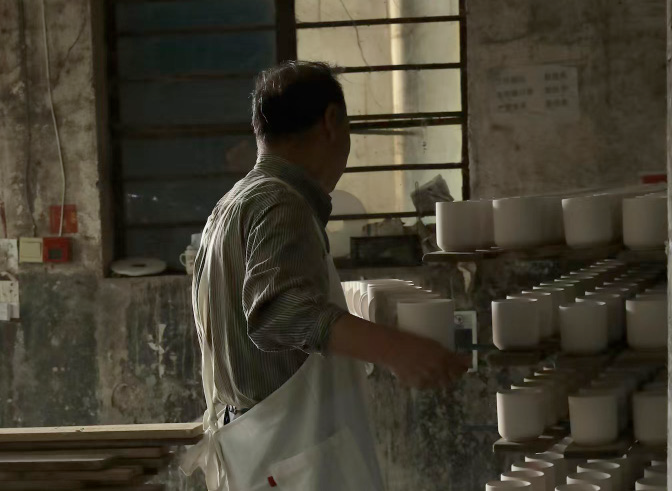
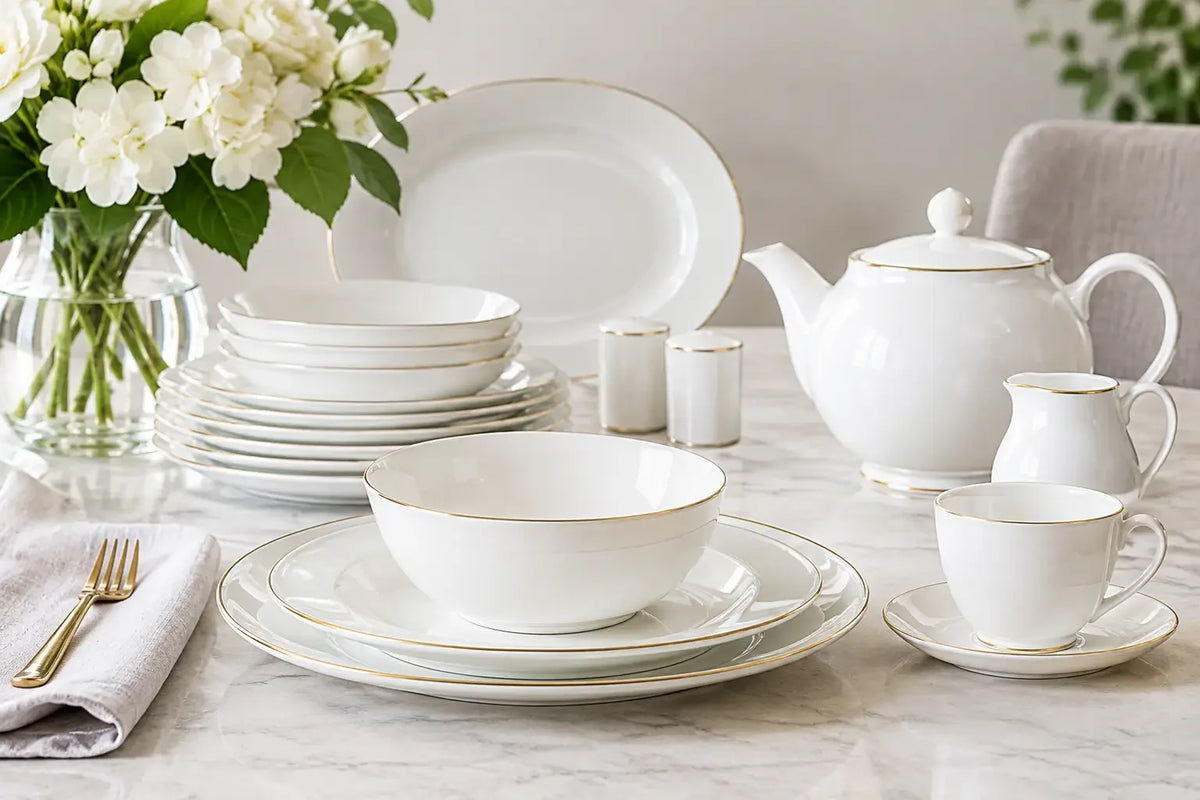
A weeknight pasta dinner can look considered without feeling formal. That is the appeal of bone china dinnerware: it brings a light, luminous finish to the table while remaining practical enough for the meals that actually happen at home. The right set makes a family breakfast, an anniversary dinner, or an impromptu gathering feel more intentional - without creating a cabinet full of dishes you are afraid to use.
What Makes Bone China Dinnerware Different?
Bone china is a type of porcelain made with refined clay materials and bone ash, then fired at high temperatures. The bone ash gives the finished piece its recognizable combination of whiteness, gentle translucence, and strength. Hold a quality bone china plate near a window and you may notice a soft glow at its thinner edges. It is a small detail, but one that makes food, flowers, and candlelight look especially inviting.
Fine bone china is often mistaken for delicate china meant only for holidays. In reality, its composition can create a remarkably strong, dense body for its weight. A well-made dinner plate feels light in the hand, yet it is designed to stand up to regular table use. That balance is why bone china has long been favored in both gracious homes and hospitality settings.
Not every piece labeled china is the same, however. The quality of the clay body, firing process, glaze, rim design, and finishing all affect how a plate performs over time. A refined material still deserves thoughtful handling, but it should not have to live behind glass doors to earn its place in your home.
Why It Works for Both Daily Meals and Hosting
Bone china brings polish without visual heaviness. Its smooth surface and naturally bright tone create a clean foundation for almost any table setting, whether you prefer crisp linens, warm wood, seasonal color, or a minimal all-white look. A simple roasted chicken can feel elevated on a wide-rimmed bone china dinner plate. A composed salad looks more generous when served in a graceful coupe bowl.
For hosts, that versatility matters. You can set the table with the same core pieces for a casual Sunday supper and a milestone celebration, then change the mood with glassware, napkins, and serving pieces. A cohesive dinnerware set also makes the table feel finished before the food arrives.
For everyday households, the lighter weight can be just as meaningful. Large stoneware plates have a grounded, artisanal presence, but they can feel substantial in a crowded dishwasher or a child’s hands. Bone china is often easier to carry, stack, and pass around the table. The best choice depends on the feeling you want: stoneware tends toward relaxed texture and earthy character, while bone china offers a more tailored, luminous look.
Bone China vs. Stoneware: Which Is Right for You?
Neither material is automatically better. They serve different tables and different routines.
Stoneware is typically thicker, more opaque, and more tactile. It is a natural choice for homes drawn to reactive glazes, handmade-looking finishes, and a slightly more casual setting. Its visual weight can make everyday meals feel cozy and grounded.
Bone china is usually thinner, smoother, and more refined in appearance. It suits those who want a polished table that does not feel overly precious. If you are building a wedding registry, furnishing a first home, or replacing mismatched dishes with one enduring collection, bone china offers a flexible middle ground between formal china and basic everyday ware.
Consider how you eat most often. If you serve saucy pastas, grain bowls, and family-style meals, look for generously sized dinner plates and bowls with comfortable rims. If you host frequently, prioritize a collection with coordinating salad plates, mugs, and serving pieces so the table can expand naturally. A beautiful set should support your habits, not ask you to change them.
How to Choose Bone China Dinnerware You Will Use
Start with the pieces that carry the most of your meals. For many households, a four- or six-place setting with dinner plates, salad plates, cereal bowls, and mugs is more useful than an oversized set filled with rarely used specialty items. You can always add pasta bowls, soup plates, platters, or extra settings as your entertaining needs grow.
Pay attention to shape as much as color. Wide rims create a traditional, composed presentation and can help frame food beautifully. Rimless coupe plates look modern and make efficient use of cabinet space. Bowls with gently sloped sides are versatile for breakfast, soup, salads, and grain-based dinners, while deeper bowls are better for pasta and brothy dishes.
White bone china remains a favorite because it works with every season and makes food colors stand out. Yet subtle details can keep it from feeling plain: a soft scalloped edge, a textured rim, a warm ivory cast, or a fine hand-painted band. If you choose a decorated design, think about whether you will want matching replacements or additions years from now. Timeless patterns are often easier to live with than a look that belongs to one trend cycle.
Safety should be part of the decision, not an afterthought. Look for clear material standards and dinnerware that is 100% lead and cadmium-free. Health and safety are non-negotiable, especially for pieces used daily by families and guests. It is also worth checking the maker’s care guidance rather than assuming every bone china item is safe for the dishwasher, microwave, or oven.
The Details That Affect Everyday Durability
Durability is not only about thickness. A carefully fired clay body, an even glaze, well-finished foot rings, and thoughtful packaging all contribute to a set that performs well beyond its first unboxing. Plates should sit flat on the table, stack without excessive wobble, and feel smooth along the rim and underside.
A glossy glaze is easy to wipe clean and gives bone china its classic brilliance. Matte finishes can be beautiful too, but they may show metal marks or require slightly more attentive care depending on the glaze. Neither is wrong. Choose the finish that fits your tolerance for maintenance and the atmosphere you want at the table.
If you are ordering dinnerware online, service matters as much as product photography. Breakage during shipping is frustrating, particularly when you are preparing for a move, a gift, or a holiday gathering. HomeVss supports customers with a free breakage-replacement policy, offering reassurance that investing in elevated tableware does not have to come with unnecessary delivery stress.
Caring for Fine Bone China
Always follow the instructions provided with your particular collection. Many contemporary bone china sets are dishwasher-safe, but hand washing can be a sensible choice for heirloom pieces, hand-painted designs, metallic accents, or items you simply want to preserve with extra care. Avoid abrasive scrubbers, harsh powdered cleaners, and sudden temperature changes, which can put stress on any ceramic material.
For dishwasher-safe pieces, leave enough space between plates so they do not knock together during the cycle. Use a gentle detergent and avoid overloading the racks. When stacking dry dishes in a cabinet, consider placing a soft liner or felt separator between frequently used plates if you want to minimize surface scuffs over years of use.
Microwave use deserves the same attention. Plain bone china is often microwave-safe when the manufacturer says so, but metallic rims, gold details, and certain decorative finishes should never go into the microwave. When in doubt, choose a different plate rather than risking the piece or the appliance.
Small gray marks from flatware are usually surface marks rather than cracks in the china body. A nonabrasive cleaner recommended for ceramics can often remove them. Chips and cracks are different: retire damaged food-contact pieces, particularly if the glaze has broken, since they may harbor residue and become less stable with continued use.
Build a Table That Feels Like Home
The most satisfying dinnerware does more than match your kitchen. It invites people to sit down, serve themselves, and linger for another conversation. Bone china offers a particularly graceful way to create that welcome because it feels special in the hand while remaining suited to ordinary rituals: toast before school, leftovers after work, birthday cake cut at the counter.
Choose pieces with the scale, finish, and safety standards that fit your household, then let them earn their beauty through use. A well-set table does not require a formal occasion. Sometimes it begins with a favorite bowl, a warm meal, and dinnerware you are happy to reach for again tomorrow.


Hinterlasse einen Kommentar
Diese Website ist durch hCaptcha geschützt und es gelten die allgemeinen Geschäftsbedingungen und Datenschutzbestimmungen von hCaptcha.