

You are standing at the kitchen counter at 7:15 AM on a chilly Tuesday morning. The house is quiet, and you are rushing to prepare a wholesome breakfast before the school run and morning commutes begin. You pour a generous mound of toasted granola into a bowl, splash cold milk over the top, and reach for a spoon. But as you turn toward the dining table, the milk sloshes over the edge, spilling across the clean countertop. In the half-awake rush, you grabbed the wide, shallow bowl meant for evening soup rather than the deep, steep-sided breakfast bowl. Later that evening, you ladle steaming beef stew into that same breakfast bowl, only to burn your fingertips on the scalding sides while the dense center remains trapped and boiling hot. This exact kitchen moment reveals why understanding what is the difference between a soup bowl and a cereal bowl matters for real-life comfort and effortless dining.

Choosing the right bowl shape keeps your morning routines smooth and spill-free.
Anatomy and Architecture: Depth vs. Surface Area
Understanding the Geometry of Everyday Vessels
Deep Steep Walls Versus Wide Shallow Basins
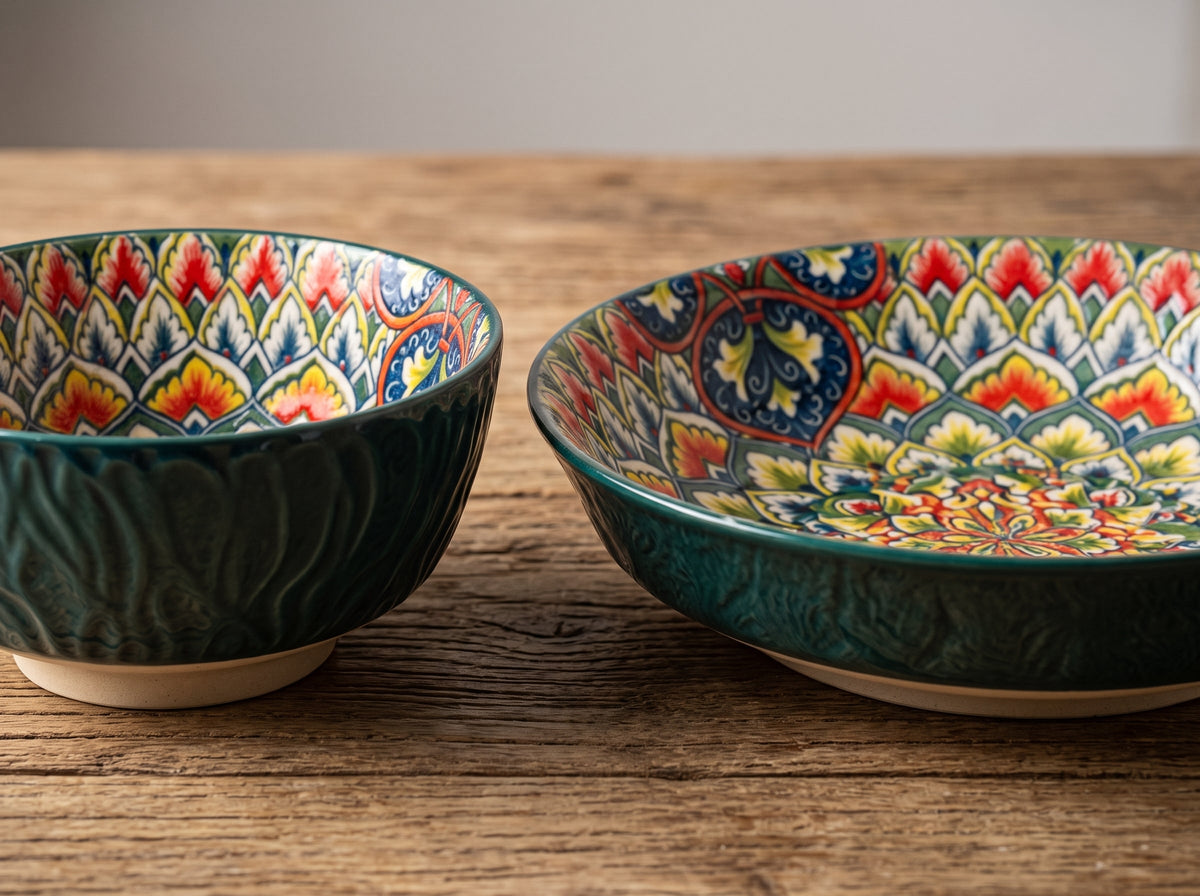
The most fundamental distinction between these two classic vessels lies in their architectural geometry. A traditional cereal bowl is built vertically. It features a compact diameter, a sturdy base, and steep, upright walls. This vertical silhouette is engineered intentionally for buoyant, dry ingredients paired with cold liquids. When you pour toasted flakes or dense grains into a narrow, deep vessel, the milk pools tightly at the base, ensuring every spoonful offers an even ratio of crunch and liquid without spreading out and becoming soggy.
Conversely, a traditional soup bowl prioritizes horizontal surface area over vertical depth. Soup bowls feature a wider diameter, a shallower basin, and walls that slope gently outward, often terminating in a broad rim. This open geometry is essential for thermal regulation. Hot liquids like chicken noodle soup, minestrone, or vegetable broth release intense steam. A broad surface allows that heat to dissipate naturally into the room, bringing piping-hot broth down to a comfortable eating temperature far more evenly than a narrow, deep vessel would allow.
Thermal Performance and Spill Prevention
How Bowl Shape Governs Temperature and Mobility
Managing Liquid Heat and Splash Resistance
The physical profile of your tableware dictates how safely and comfortably you can handle food at the table. When eating cereal or chilled yogurt, your primary concern is preventing sloshing as your spoon scoops upward against the side. The steep, direct walls of a cereal bowl act as a built-in splash guard, keeping milk and fresh berries safely contained even when children are eating breakfast in a hurry. Its compact footprint also makes it easy to cradle securely in one hand while relaxing on the sofa.
With hot liquids, handling becomes a matter of temperature management and safety. Filling a deep cereal bowl with boiling broth concentrates thermal energy directly into the sides. The exterior ceramic walls become uncomfortably hot, making the bowl difficult to lift or carry without pot holders. A proper soup bowl solves this ergonomic problem through its wide, sloping profile. The upper edges and wide rim remain significantly cooler than the liquid resting in the center basin, providing a safe, comfortable grip as you carry dinner from the stove to the table.

Steep upright sides contain breakfast spills, while wide, shallow basins allow hot soups to cool evenly.
Multi-Functional Daily Uses in Modern Kitchens
Beyond Morning Cereal and Evening Broth
Adapting Vessels for Grain Bowls and Side Dishes
In a busy, practical household, neither bowl remains confined to its traditional namesake. The deep, upright architecture of a quality cereal bowl makes it one of the most versatile, high-frequency pieces in your kitchen cabinets. Beyond breakfast grains, it is the ideal vessel for serving morning fruit parfaits, individual salads, warm oatmeal, and evening scoops of ice cream. Its tall walls keep snacks neatly contained, making it an effortless daily staple for every member of the family.
Meanwhile, the broad, welcoming basin of a soup bowl bridges the gap between deep bowls and everyday dinner plates. Because it offers a wide surface area with raised sides, a soup bowl effortlessly accommodates layered grain bowls, creamy risottos, and saucy curries where presentation matters. It also doubles as a versatile vessel for serving family-style side dishes—such as roasted root vegetables, buttery mashed potatoes, or steamed greens—allowing you to pass shared items around a crowded dinner table without awkward spills.
Curating a Versatile Rustic Table Setting
Grounded Aesthetics for Everyday Family Meals
Selecting High-Fired Stoneware Built to Last
Creating a dining room that feels warm, welcoming, and effortless to live in requires tableware that blends utilitarian durability with timeless tactile comfort. When outfitting a rustic farmhouse home, steer clear of overly fragile, lightweight dishware that chips at the slightest bump in the sink. Instead, ground your dining space with substantial, high-fired stoneware finished in tactile matte glazes and organic round rims that honor the natural qualities of raw ceramic clay.

Stocking both deep and shallow bowl shapes ensures your kitchen is ready for any family meal.
High-fired stoneware naturally excels at temperature retention, keeping chilled morning milk crisp and hearty winter chowders thoroughly warm throughout a relaxed supper. Sizing your collection with both deep breakfast bowls and wide soup dishes for 6 to 8 place settings ensures your kitchen is fully prepared for everything from quick weekday breakfasts to extended weekend dinners with guests. If you are ready to enrich your daily dining rituals with durable, handcrafted pieces designed for real life, explore our thoughtfully curated selection of artisan ceramic bowls and discover the perfect balance of rustic style and everyday functionality for your home.


Hinterlasse einen Kommentar
Diese Website ist durch hCaptcha geschützt und es gelten die allgemeinen Geschäftsbedingungen und Datenschutzbestimmungen von hCaptcha.