

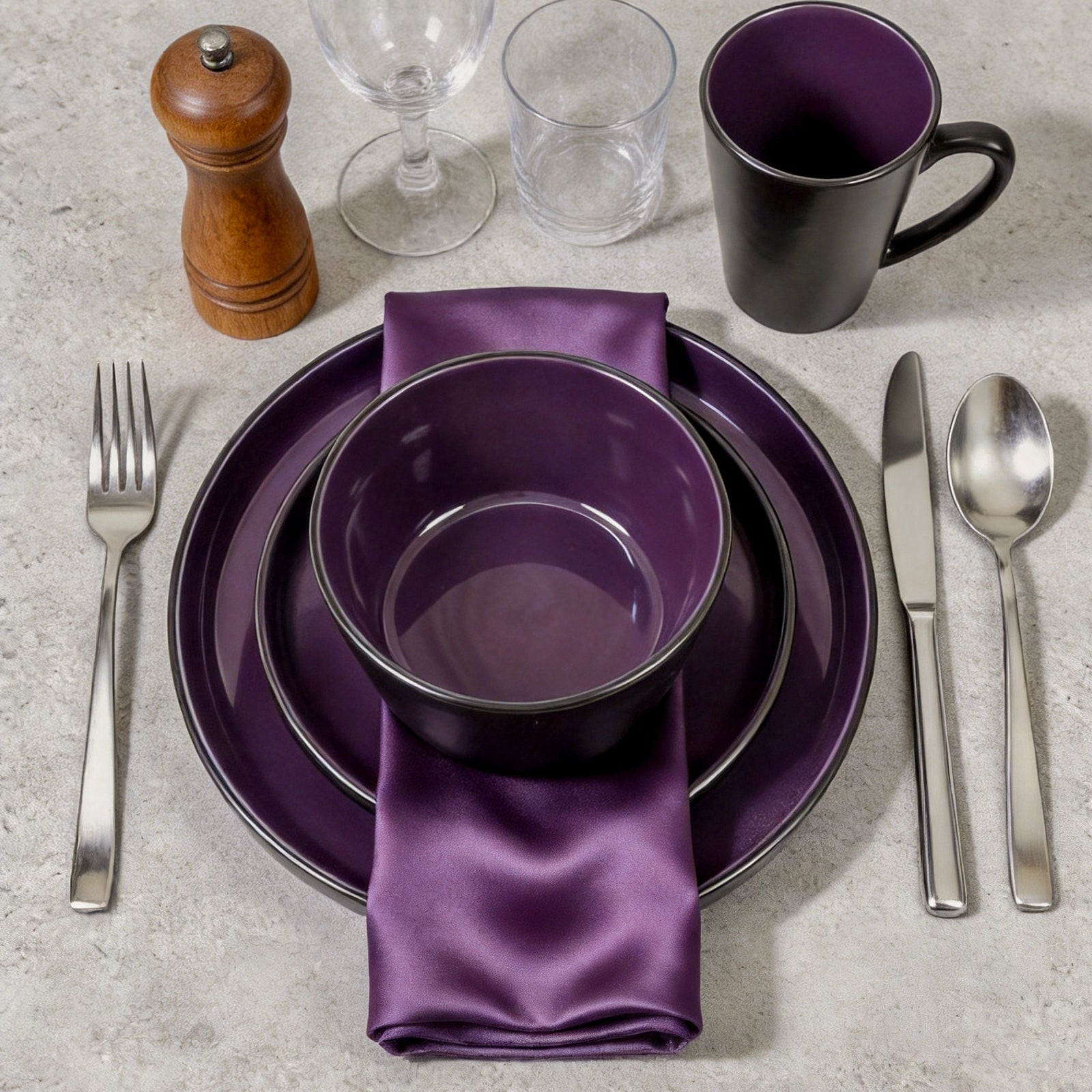
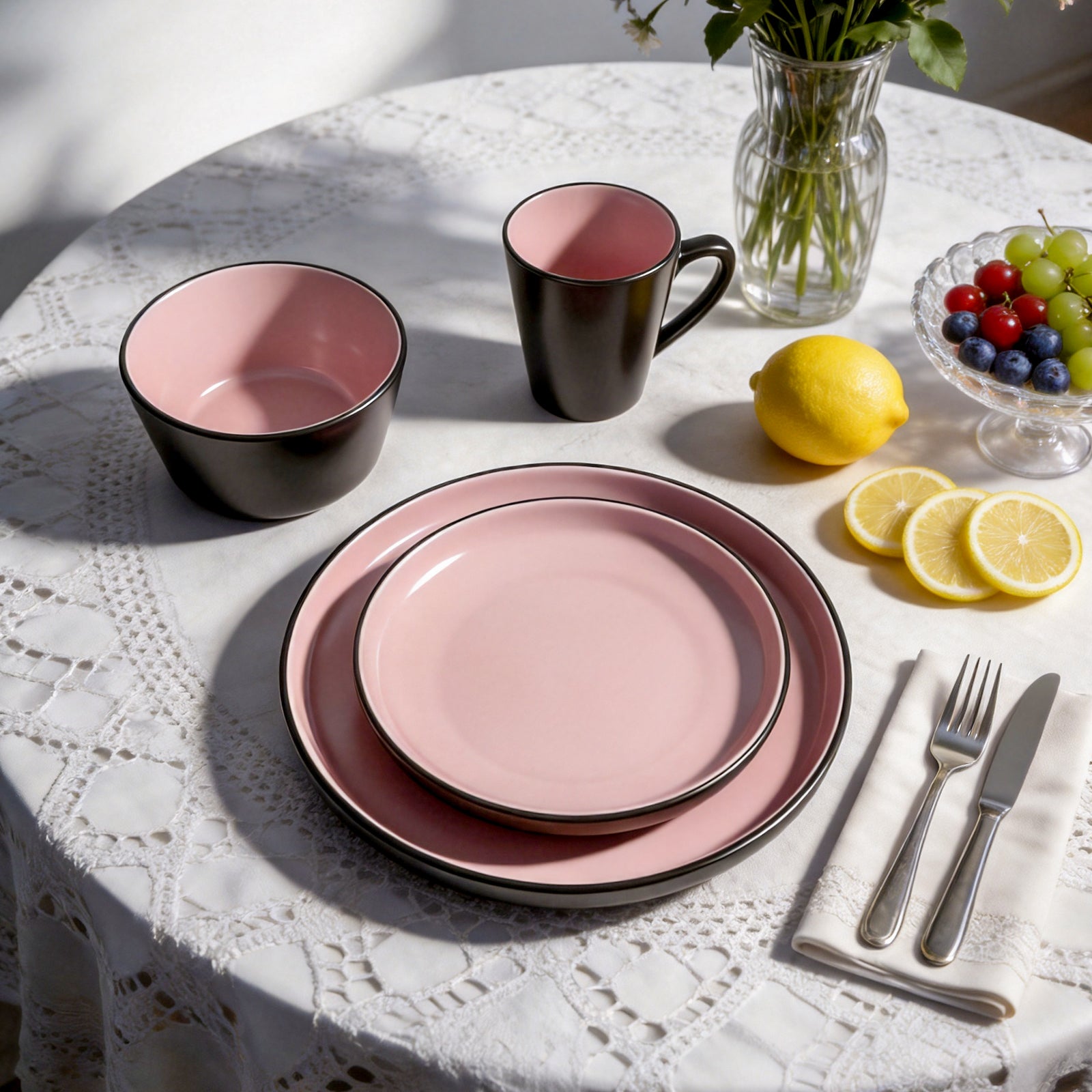
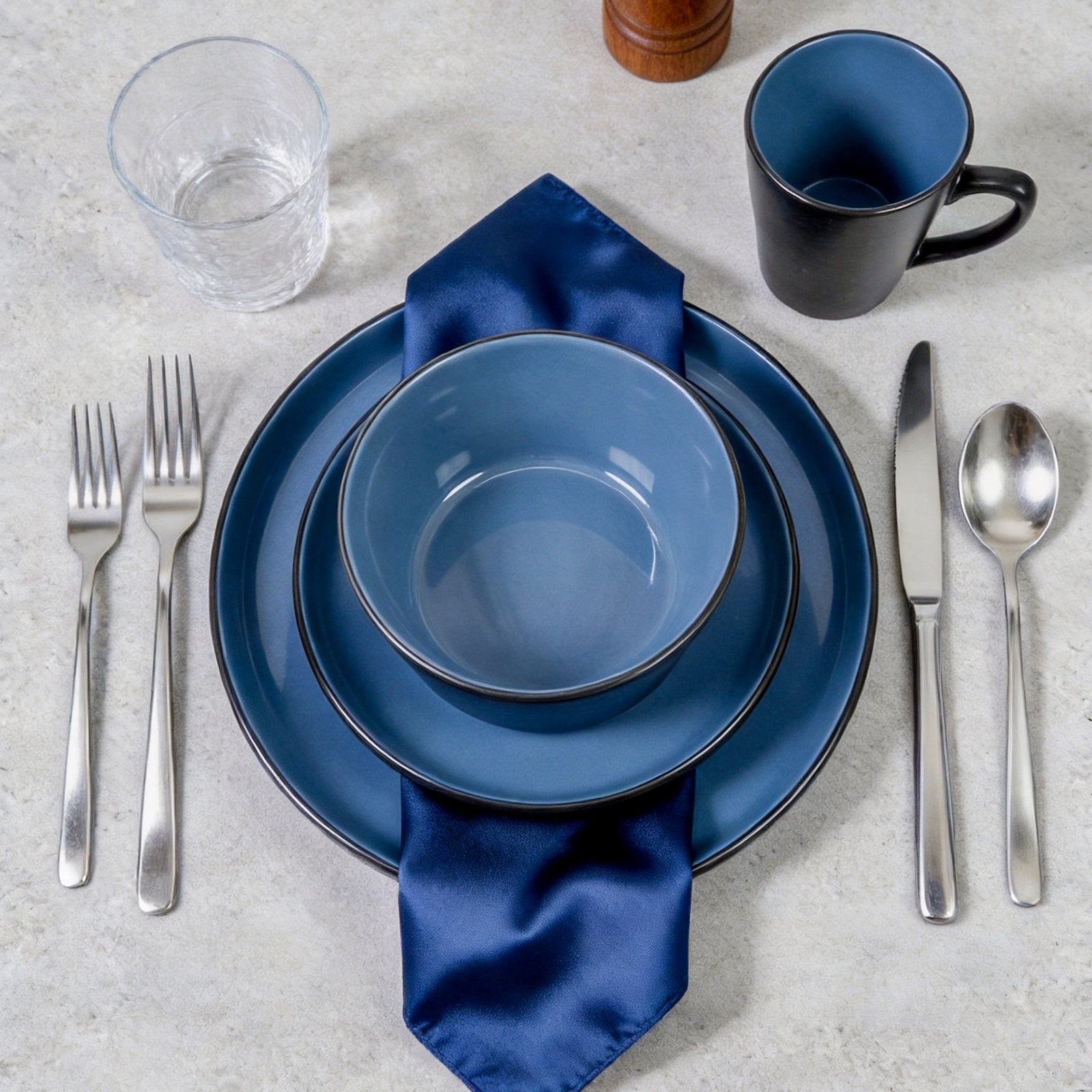

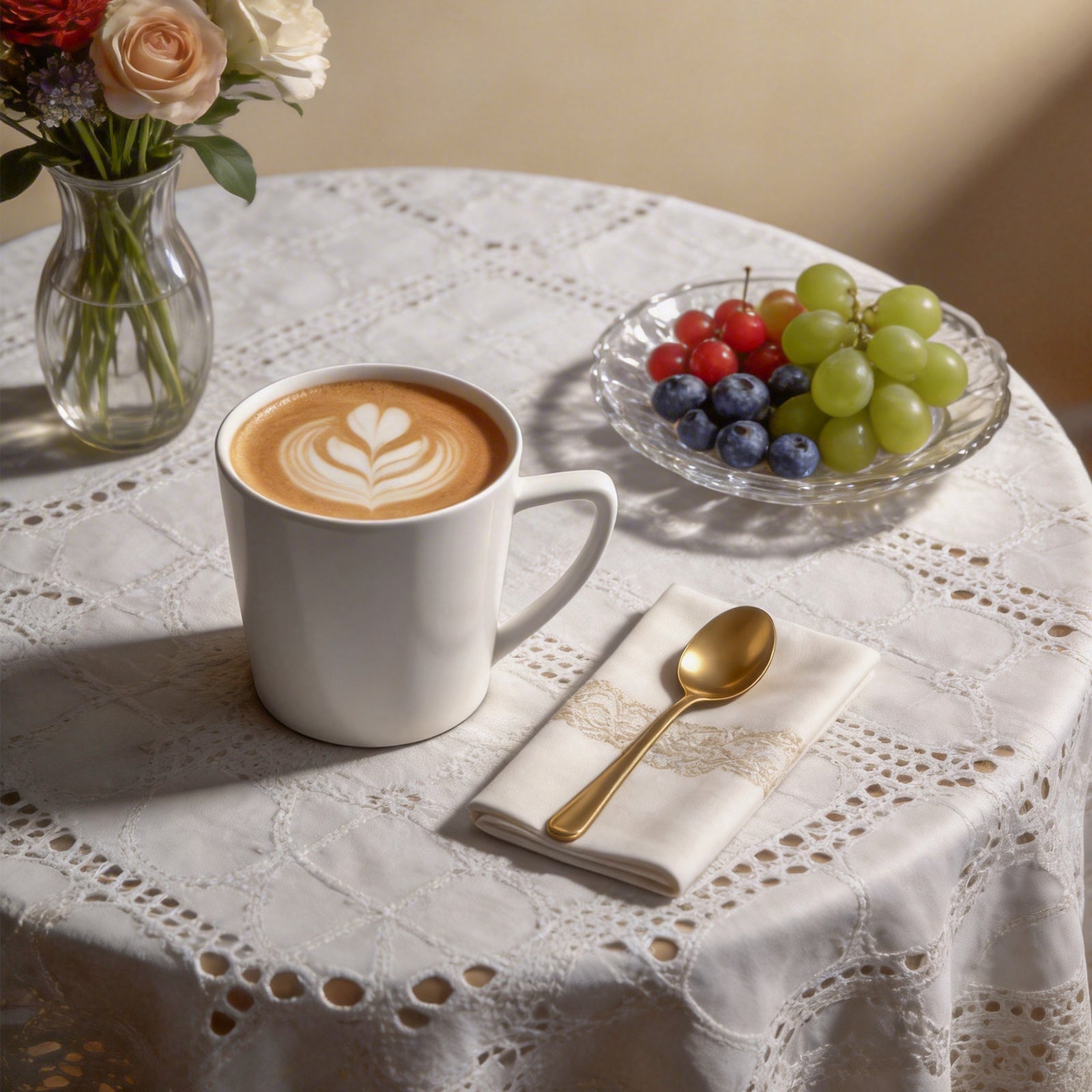
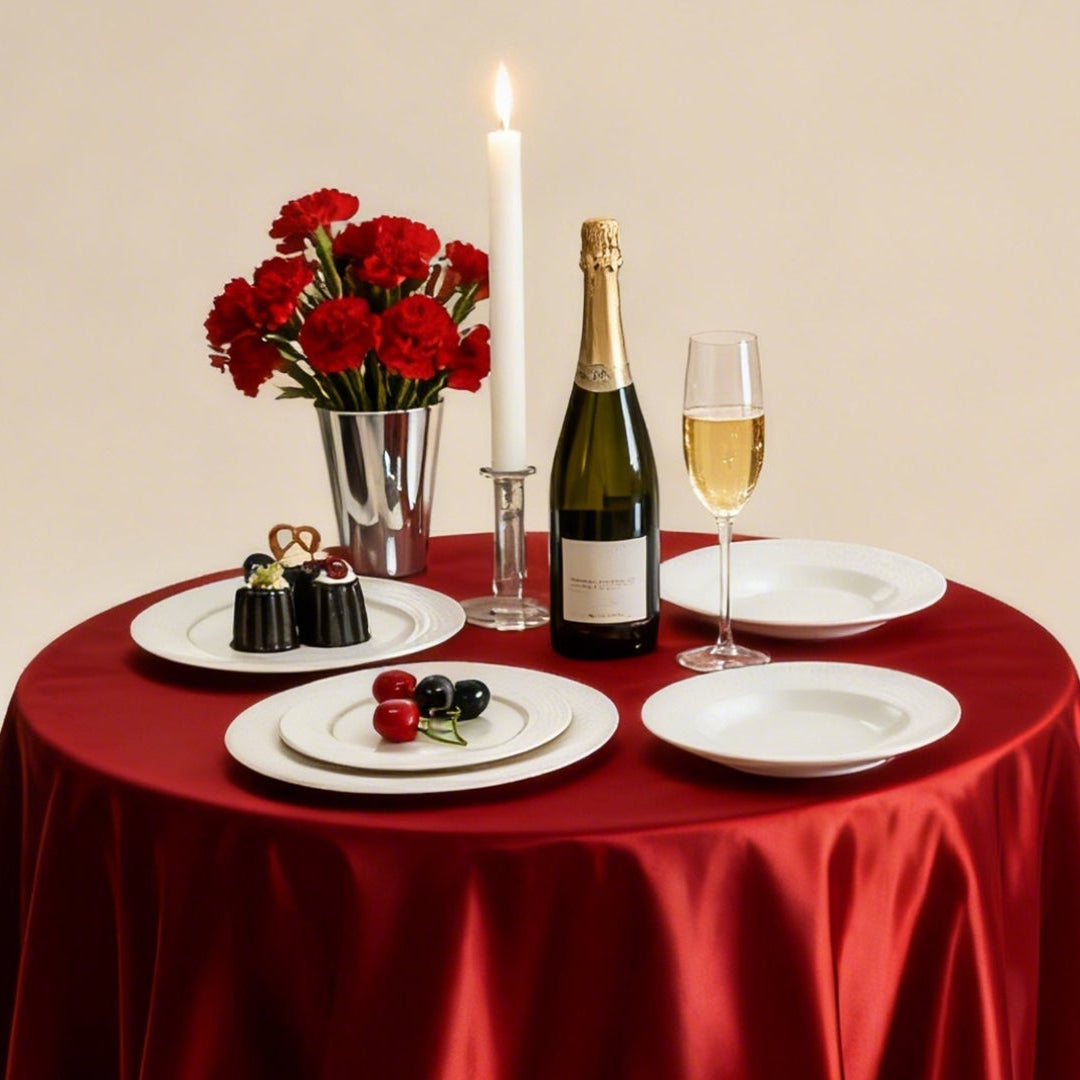


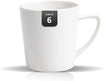
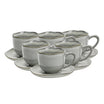
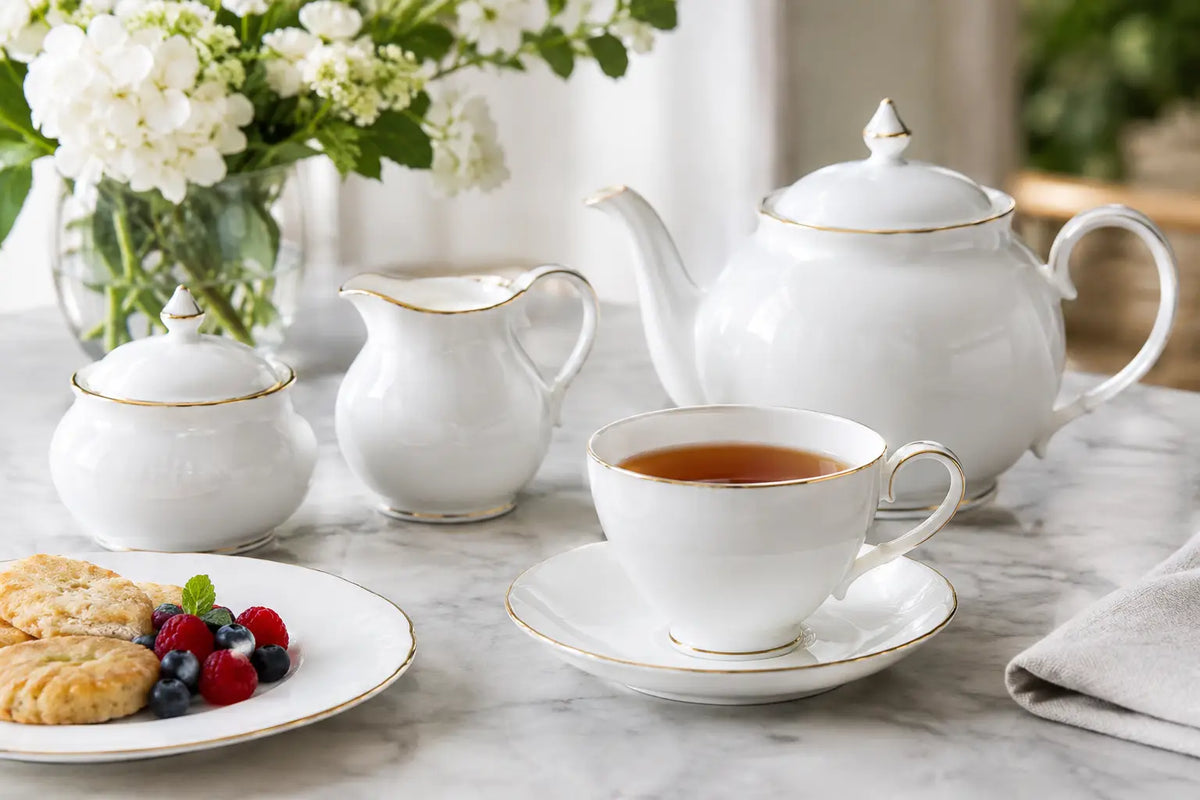
A well-set table should not need a special occasion to feel considered. Bone china has long carried a formal reputation, but its real appeal is more practical: it brings a light, polished look to breakfast, weeknight dinners, holiday hosting, and every meal in between without asking you to treat it like a museum piece.
For households choosing fewer, better pieces, bone china offers an appealing balance of refinement and resilience. Its smooth finish makes everyday food look more intentional, while its strength can make it a more dependable choice than many people expect from such delicate-looking dinnerware.
What Is Bone China?
Bone china is a type of porcelain made with a blend of clay materials, feldspar, and bone ash. The bone ash, typically derived from animal bone and processed into a fine mineral powder, is what gives this material its distinctive warmth, strength, and gentle translucency. Hold a fine piece near a light source and you may notice a soft glow at its thinner edges.
That luminous quality is part of bone china's heritage appeal, but it is not simply decorative. The material's composition and high-temperature firing process create a dense, vitrified body with very low porosity. In plain terms, it is made to be smooth, nonabsorbent, and stronger than its elegant profile suggests.
Not every white dinner plate is bone china. Porcelain, stoneware, and bone china can all look beautiful, yet they have different material characteristics. Traditional porcelain is also hard, refined, and often translucent, while stoneware has a more substantial, earthy presence. Bone china sits in its own category: lighter in the hand than many stoneware pieces, warmer in color than stark white porcelain, and prized for a finely finished surface.
Why Bone China Feels So Special on the Table
The difference is often most noticeable when you use it. A bone china plate can feel graceful without feeling flimsy. The body is usually thinner than casual dinnerware, so place settings take up less visual weight on the table. That can make even a simple meal - roasted vegetables, pasta, a bakery salad - feel more composed.
Its color also plays a quiet but meaningful role. Fine bone china often has an ivory-white tone rather than a cool, bright white. This softer background complements food naturally and works easily with linen napkins, wood serving boards, glassware, and metallic flatware. It can support a formal table setting, but it does not demand one.
For gifting and wedding registries, this versatility matters. Dinnerware should suit the celebratory meal it arrives for, then continue serving coffee, cake, and Tuesday-night takeout years later. A classic bone china collection is easier to keep in rotation because it does not rely on a passing trend to look relevant.
Is Bone China Durable Enough for Daily Use?
Yes, quality bone china can be an excellent everyday material, provided it is made well and cared for according to the maker's instructions. Its reputation for delicacy can be misleading. Bone china is generally stronger than standard porcelain of a similar thickness, and its dense structure helps it stand up to regular use.
Still, durable does not mean indestructible. A hard impact against a stone countertop, a crowded sink, or the edge of another plate can cause chips or cracks. Thin rims are especially vulnerable when pieces are stacked carelessly. Treating fine dinnerware with ordinary care is usually all it takes: avoid tossing it into the sink, do not overload the dishwasher, and separate stacks if they tend to shift during storage.
The best choice also depends on how your household uses dinnerware. If you have very young children, frequent outdoor meals, or a kitchen where plates are routinely handled in a hurry, heavier stoneware may be the better primary set. If you want dinnerware that feels elevated for daily meals and polished enough for company, bone china offers a compelling middle ground.
Bone China vs. Stoneware: Which Should You Choose?
There is no universal winner. The right material depends on the experience you want at the table.
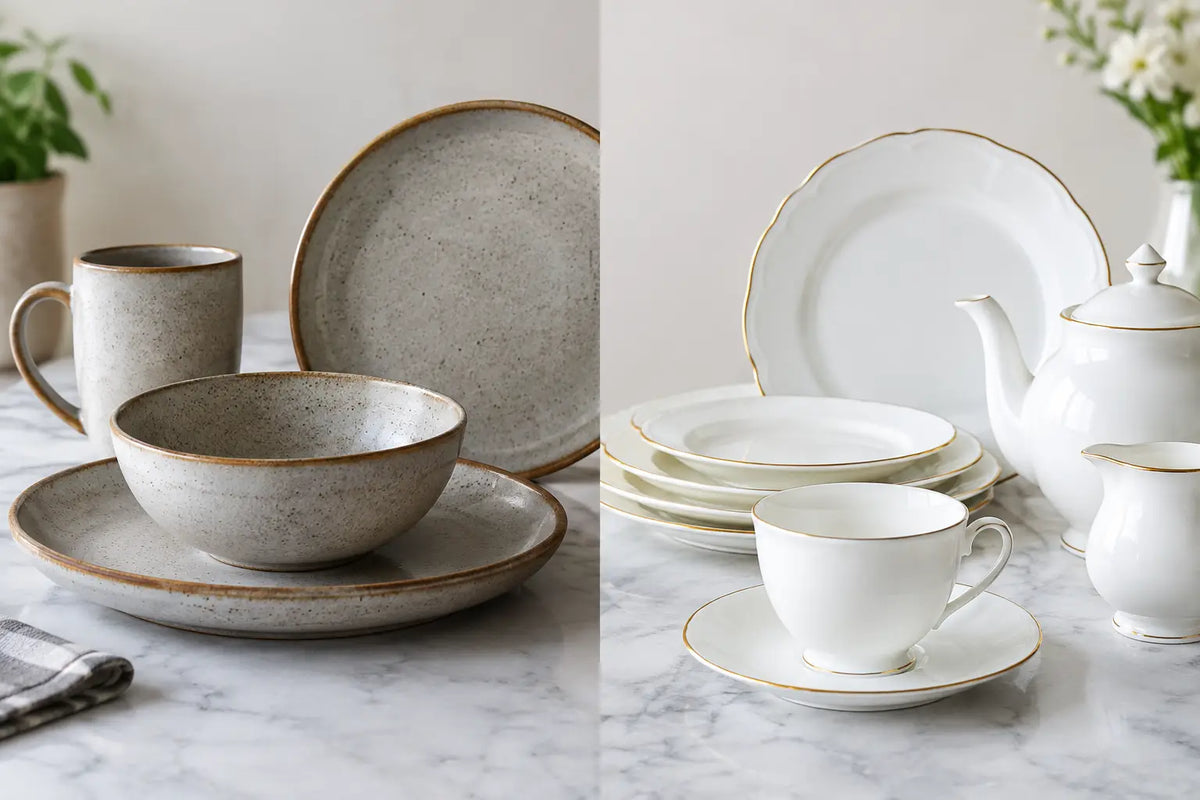
Stoneware is known for its satisfying weight, artisanal character, and approachable durability. It is especially well suited to relaxed family meals and design-forward settings, including collections with reactive glazes. Because reactive glazing creates natural variation during firing, no two pieces are exactly alike. That individuality gives stoneware a handmade, collected feel.
Bone china offers a different kind of luxury. It tends to be lighter, smoother, and more formal in appearance, even when the shape is simple. Its subtle translucency and refined finish make it a natural choice for those who prefer a clean, timeless table rather than a heavily textured one.
Many homes benefit from both. A stoneware set can handle casual everyday rotation, while bone china can become the set you reach for when you want a meal to feel a little more special. But there is no rule that says bone china must stay behind cabinet doors. The most useful dinnerware is the dinnerware you are happy to use.
How to Choose Quality Bone China
Start with the feel and finish. Quality pieces should have a smooth, even glaze and a stable base that sits flat on the table. Look closely at the rim and handle areas, where rough edges or uneven finishing are easier to spot. A well-made cup should feel balanced in the hand, and a plate should have enough presence to feel secure without becoming heavy.
Then consider the collection as a whole. A dinnerware set works hardest when it includes the pieces your household actually uses: dinner plates, salad plates, bowls, and mugs or cups in proportions that make sense for your meals. A large pasta bowl may be more useful than a formal soup bowl for one household, while a dedicated teacup and saucer may be essential for another.
Safety should be equally clear. Choose dinnerware from a brand that communicates its material and glaze standards directly. At HomeVss, health and safety are non-negotiable, with ceramic tableware that is 100% lead and cadmium-free. This is particularly valuable for families who want confidence in the pieces used for everyday food and drinks.
Finally, think about delivery and replacement support before you buy. Fine dinnerware deserves careful packaging, and a clear breakage policy removes much of the stress from ordering fragile items online. A brand willing to replace damaged pieces promptly shows that the tableware is meant to be used and enjoyed, not merely admired from a shelf.
Caring for Bone China Without Overthinking It
Care instructions vary by collection, especially when a piece includes metallic detailing, hand-applied decoration, or a specialty glaze. Always follow the product-specific guidance first. Many modern bone china collections are dishwasher-safe, but gentle placement is still wise. Position plates so they do not knock together during a cycle, and avoid cramming mugs where handles can collide.
For handwashing, use warm water, mild dish soap, and a soft sponge. Abrasive scouring pads can dull a glossy surface over time. If food residue has dried onto a plate, let it soak briefly rather than scrubbing aggressively.
When storing plates, keep stacks reasonable and lift rather than slide pieces apart. If your cabinet is tight or you own heirloom-style pieces, felt separators can offer added protection. Cups should be stored upright, not hung by their handles, unless the rack is designed to support their weight safely.
Microwave use deserves the same attention to detail. Plain bone china is often microwave-safe, but gold, platinum, or metallic accents are not. When in doubt, check the care label rather than making assumptions based on appearance.
Make Room for the Good Plates
Bone china earns its place not because every meal needs ceremony, but because everyday rituals deserve care. Pour coffee into the cup you love. Set the table for a birthday brunch without worrying that it looks too formal. Bring out the matching bowls for soup on a rainy evening.
The pleasure of fine dinnerware is not reserved for holidays. It lives in the small decision to make an ordinary meal feel welcoming, considered, and worth gathering around.


Leave a comment
This site is protected by hCaptcha and the hCaptcha Privacy Policy and Terms of Service apply.