

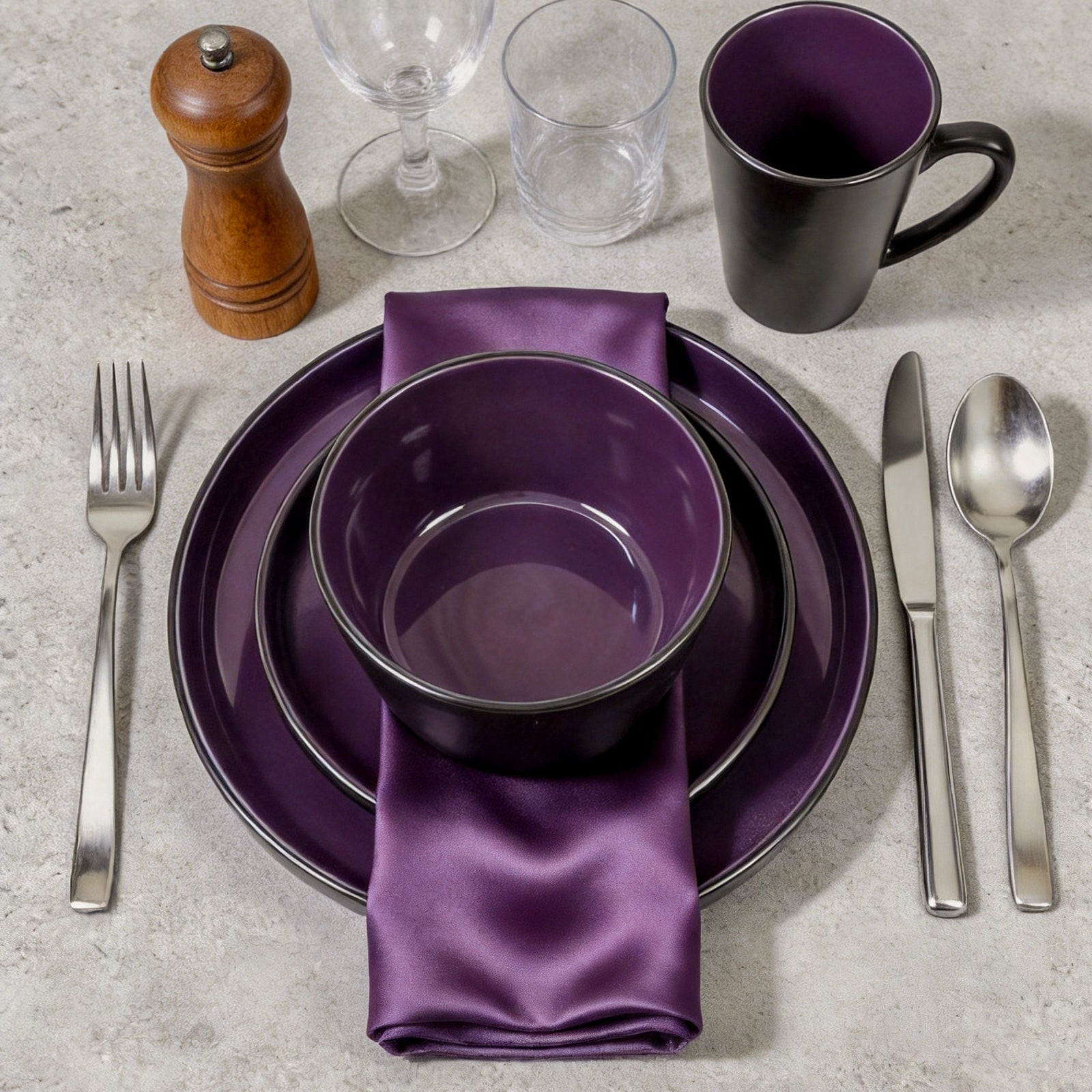
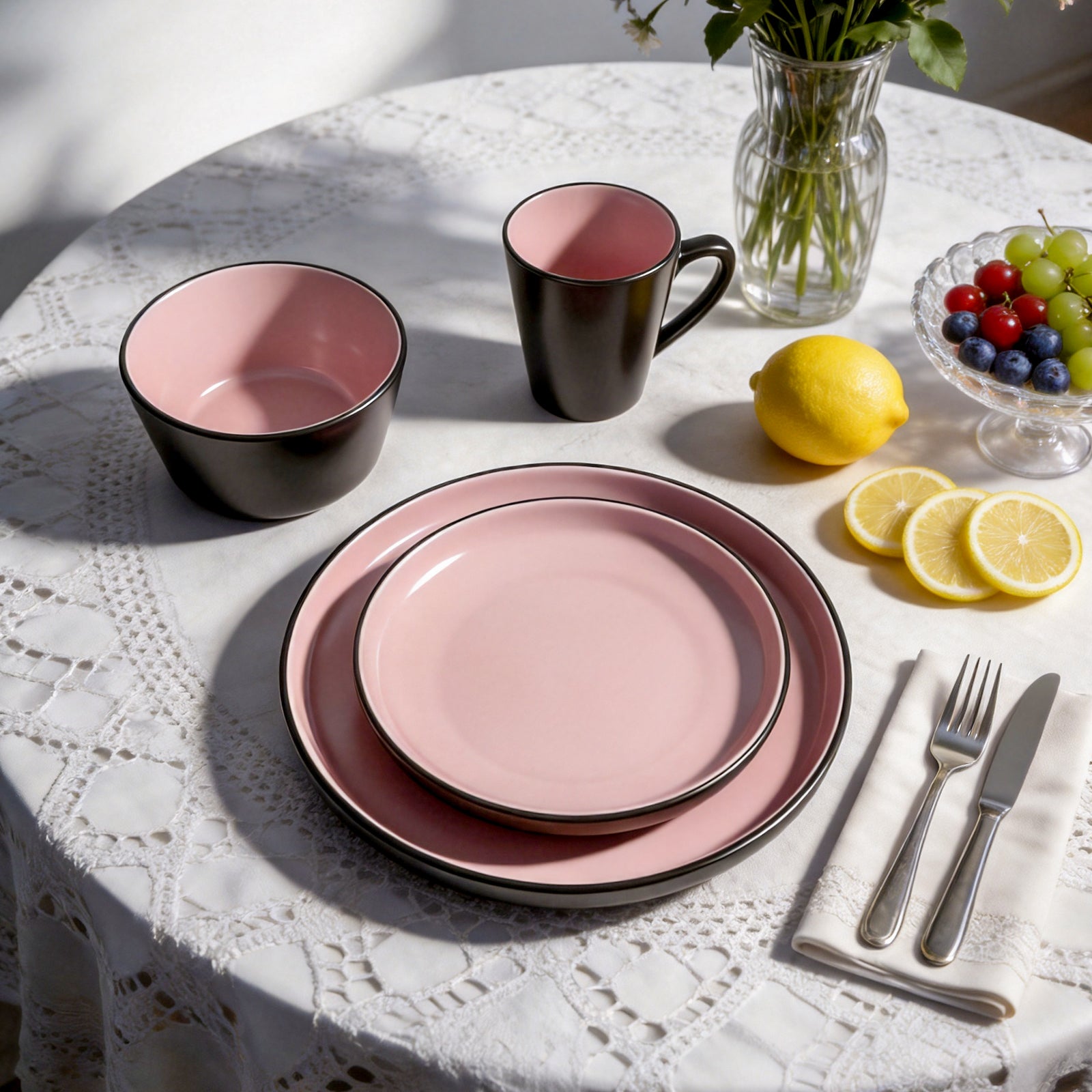
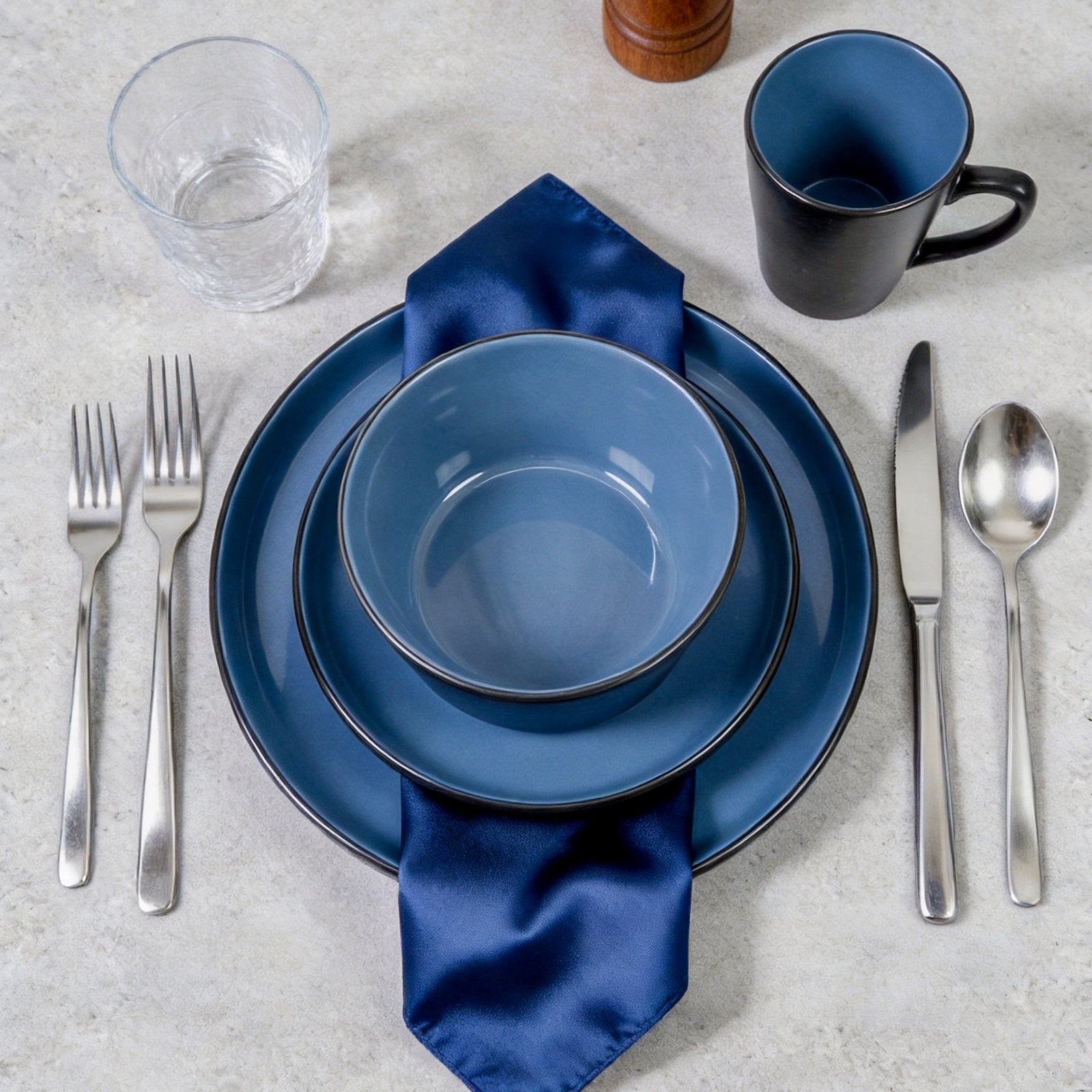




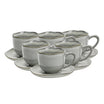
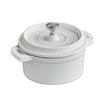
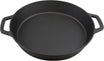
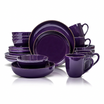
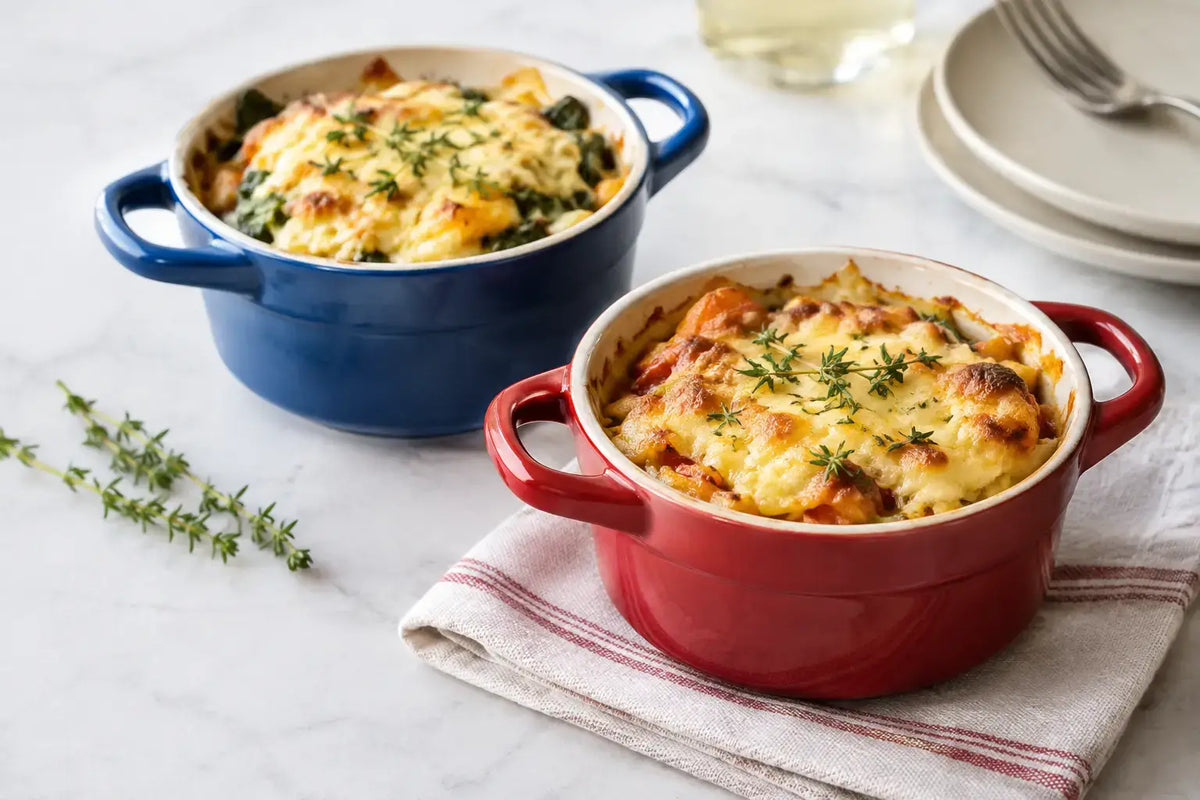
A bubbling mac and cheese with a golden top, a pair of individual chicken pot pies, or a warm fruit crisp served straight from the oven feels more considered when it arrives in its own dish. The best mini casserole dishes for two make small meals feel generous without leaving a sink full of oversized cookware or a week of leftovers.
For couples, smaller households, and anyone who enjoys cooking with intention, these dishes are more than scaled-down bakeware. They are practical oven-to-table pieces that help with portioning, presentation, and everyday ease. The right choice depends on what you cook, how you serve, and whether you want one versatile piece or a set made for individual portions.
Why Mini Casserole Dishes for Two Earn Their Cabinet Space
A full-size casserole pan is useful when company is coming, but it can be excessive for a Tuesday dinner. Mini casseroles let you bake just enough lasagna, baked pasta, scalloped potatoes, or cobbler for two people. Food cooks in a compact layer, which can shorten baking time slightly and create more of the crisp, caramelized edges many people love.
They also solve a presentation problem. Rather than spooning food from a large pan onto plates, you can bring a handsome ceramic dish directly to the table. A glazed finish, thoughtful shape, and sturdy handles turn an ordinary meal into something that feels prepared rather than merely assembled.
Individual dishes have a different advantage: each person gets an even share of the browned topping. They are especially useful for dishes with dietary variations. Make one vegetarian shepherd's pie and one traditional version, or leave breadcrumbs off one serving without preparing two separate meals from scratch.
There is a trade-off. Smaller vessels have less room for error than a deep 9-by-13-inch baking dish. Filling them too close to the rim invites spills, particularly with sauces that bubble enthusiastically. For creamy pastas, casseroles with eggs, and fruit desserts, leave roughly half an inch of space at the top.
Start With Capacity, Not Just Appearance
“Mini” can mean several different things across cookware collections. Capacity is the clearest way to shop.
For a shared dinner for two, look for one casserole dish that holds about 1.5 to 2.5 quarts. This range is generous enough for a main dish and practical for a small side. A 1.5-quart dish suits baked dips, small gratins, and two modest servings of pasta. A 2- to 2.5-quart option gives you more flexibility for a main course, especially if you appreciate next-day lunch.
For individually plated meals, two dishes in the 12- to 20-ounce range are often the sweet spot. They are large enough for pot pie, stuffed shells, baked eggs, or a personal crisp, yet compact enough to sit comfortably on a dinner plate or charger. If you frequently serve appetizers, choose the smaller end of that range. If these will replace a dinner plate for oven-baked entrées, go larger.
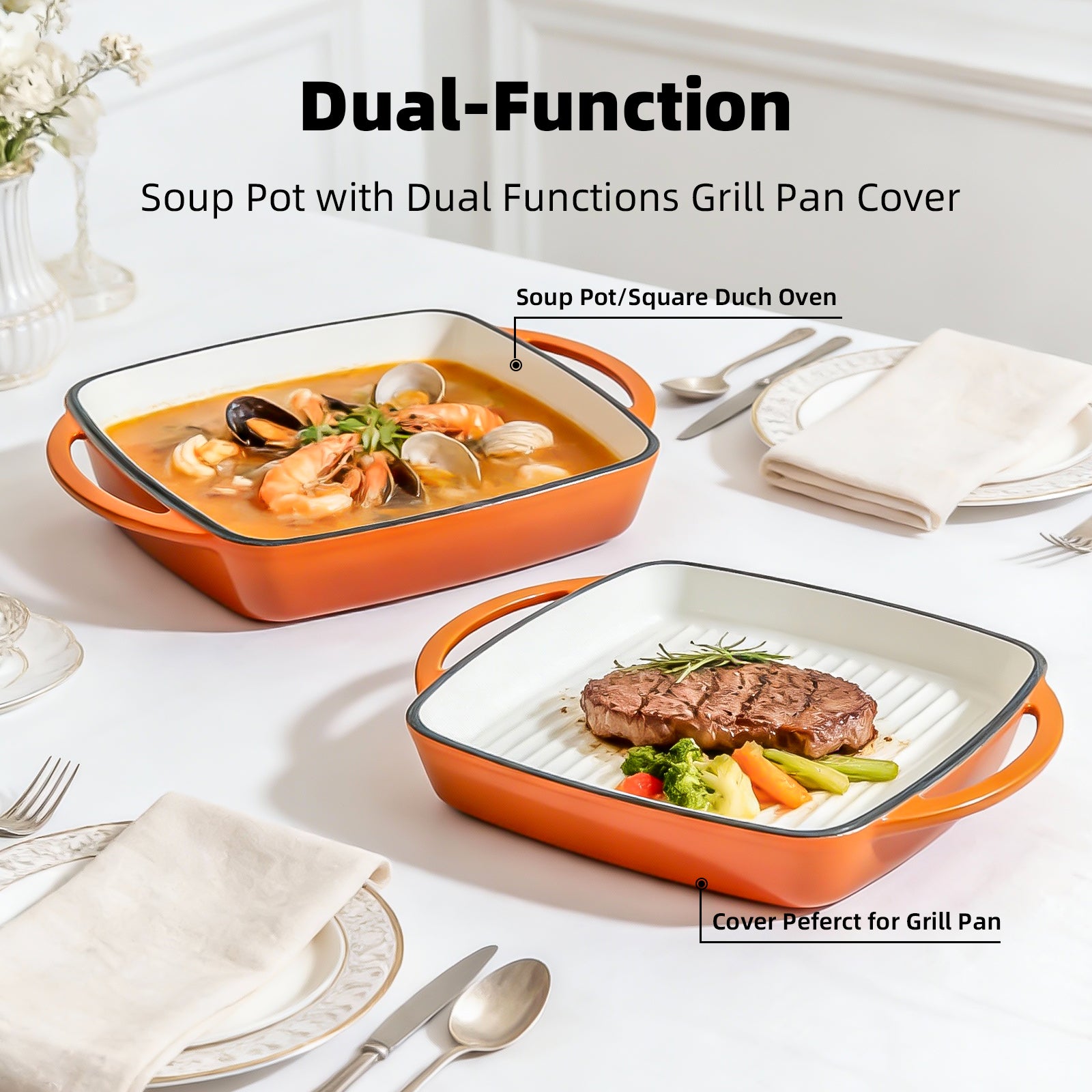
Dimensions matter as much as volume. A shallow oval or rectangular baker creates more surface area for browning. A round, deeper dish is better for saucy bakes, French onion soup-style recipes, or layered dishes that need a little height. Before buying, consider your toaster oven and microwave, too. A dish that fits a standard oven but not the appliance you use most often may stay on the shelf.
Handles Should Be Useful, Not Decorative
Small side handles are worth having, but they should be easy to grip with oven mitts. Generous handles make a meaningful difference when you are carrying hot, bubbling food to the table. They also help prevent the awkward finger-on-the-rim maneuver that can smudge glaze or put your hand too close to the heat.
If storage is tight, consider whether the shape stacks neatly. A beautiful dish that is difficult to nest may still be right for a dedicated baker, but a versatile everyday piece should work hard without demanding a whole cabinet.
Ceramic or Cast Iron: Choose for How You Cook
Both ceramic and cast iron can make excellent mini casseroles, but they bring different strengths to the kitchen.
High-fired ceramic is a natural choice for people who care about oven-to-table style. It retains heat well enough to keep food warm through dinner, and its glazed surface is ideal for creamy bakes, roasted vegetables, and desserts. A well-made ceramic dish also feels at home on a casual weeknight table or beside more formal dinnerware when guests arrive.
Look for ceramic made for regular use rather than display alone. High-fired construction supports durability, while a quality glaze makes cleanup easier and gives every meal a finished look. For food-contact pieces, safety should be clear: 100% lead- and cadmium-free materials are a sensible baseline for cookware used with family meals. Health and safety are non-negotiable.
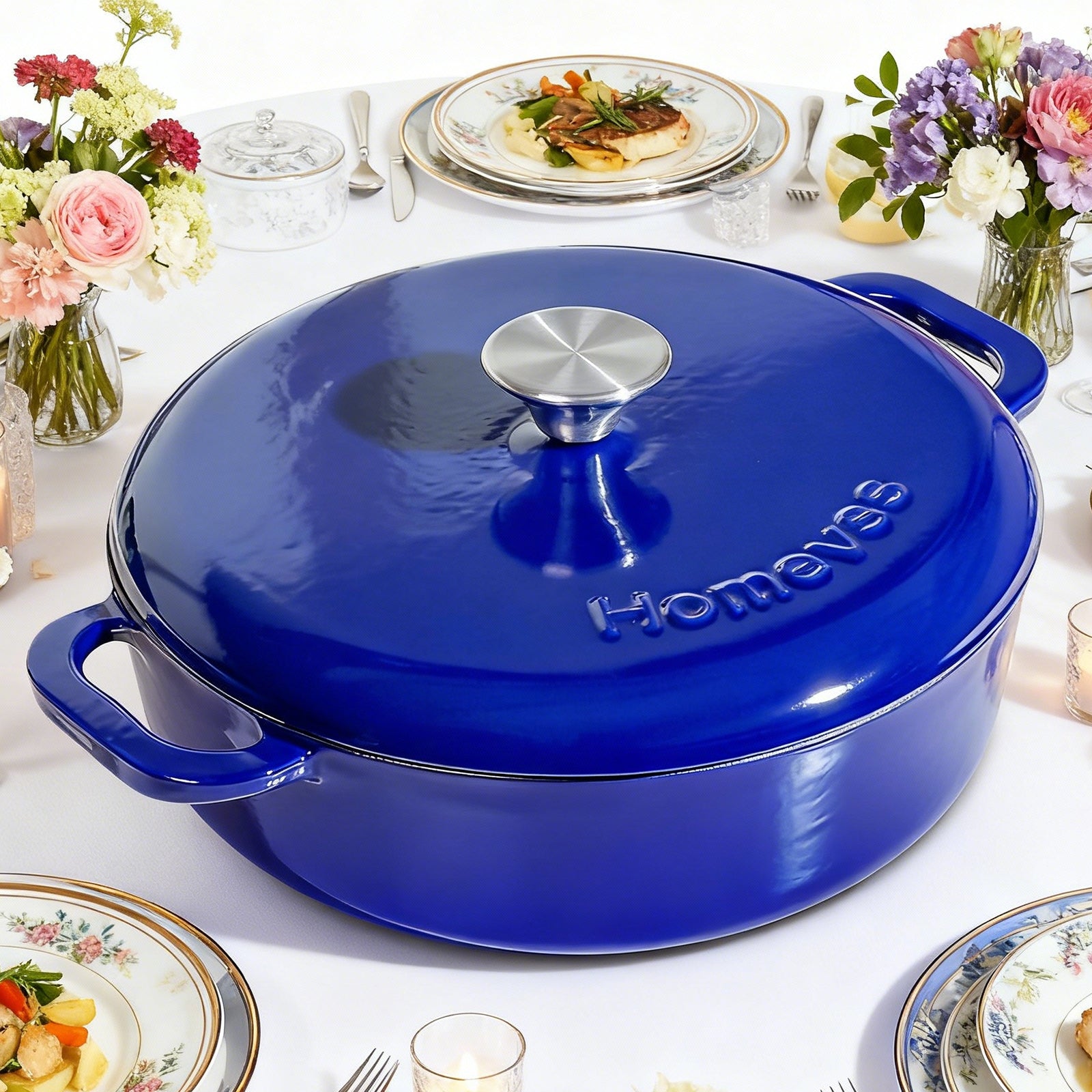
Cast iron is the stronger choice when you want deeply browned edges, superior heat retention, or a dish that can move from stovetop to oven. It is excellent for individual baked eggs, gratins, skillet-style cobblers, and dishes that begin with sautéed onions or seared vegetables. The compromise is weight. Even a small cast-iron casserole can feel substantial when hot, and its dark surface may make it harder to judge browning on delicate desserts.
If your priority is a polished table and low-effort cleanup, ceramic will usually be the more natural everyday choice. If you enjoy cooking techniques that benefit from high, steady heat, cast iron is worth the extra heft. Many kitchens benefit from one of each, but it depends on what actually makes it onto your weekly menu.
Details That Make Everyday Use Easier
A casserole dish should suit your routine, not require special treatment every time you use it. Check the stated oven temperature limit and follow it closely. Even durable ceramic can be stressed by sudden temperature changes, so avoid taking a cold dish from the refrigerator and placing it directly into a very hot oven unless its care instructions specifically permit it.
For the same reason, do not place a hot dish on a wet or cold countertop. Set it on a dry trivet or folded kitchen towel instead. These small habits help protect both the cookware and the surface beneath it.
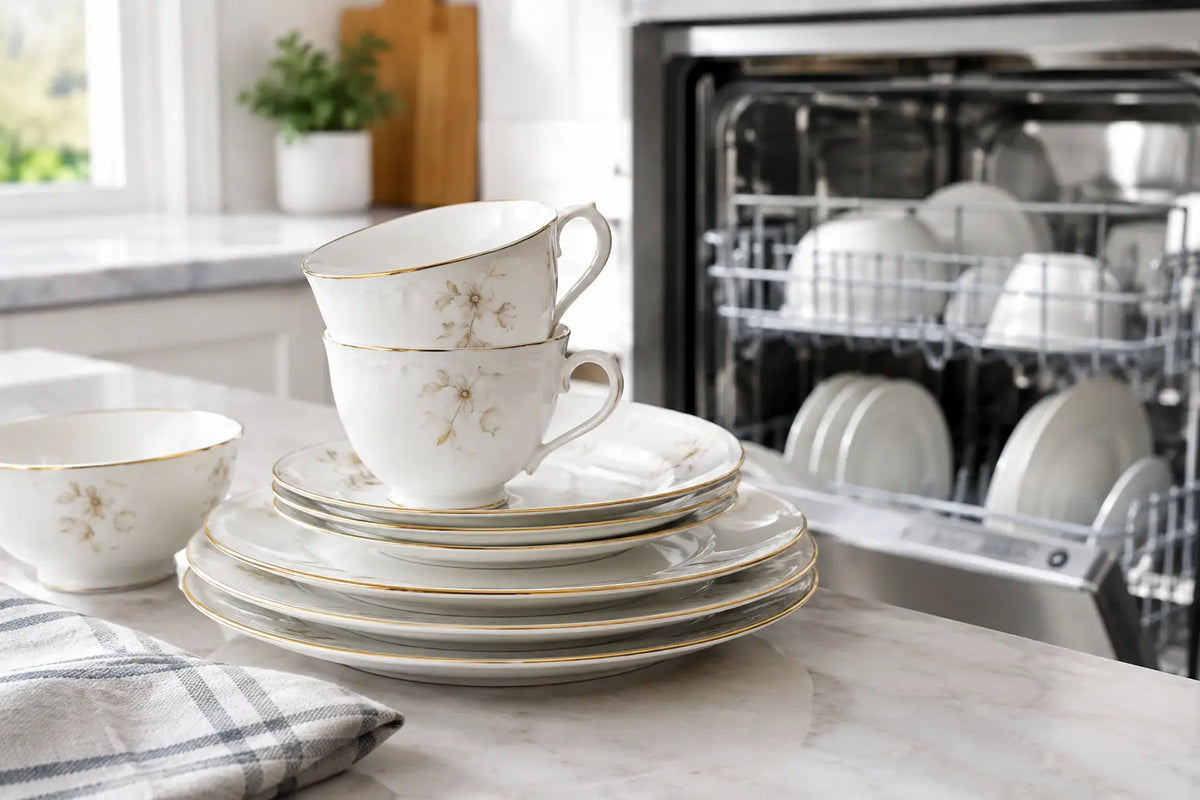
A smooth, well-finished glaze makes cleanup simpler, particularly after baked cheese or fruit filling. Soaking with warm water is usually enough for stubborn residue. Avoid aggressive scouring tools that can dull a glossy finish over time. If dishwasher use matters to you, confirm that the specific piece is dishwasher-safe rather than assuming all ceramic bakeware has the same care requirements.
Lids can be helpful, but they are not essential for every mini casserole. A lid is useful for holding heat at the table, transporting a dish, or reheating leftovers without drying them out. An open baker, on the other hand, is more versatile for recipes that need a crisp top. If you are choosing only one set, an uncovered ceramic baker is often the better all-around starting point.
Small Dishes, Better Occasions
Mini casseroles belong in more moments than holiday dinners. Fill them with spinach-artichoke dip for movie night, baked brie for a quiet celebration, or cinnamon rolls for a slow weekend breakfast. At a dinner party, individual dishes let you prepare a composed side of potatoes or a personal dessert that feels restaurant-inspired without becoming fussy.
They also make thoughtful gifts because they feel personal and useful. A pair of oven-to-table bakers suits a housewarming, wedding registry, anniversary, or holiday gift basket. Choose a classic neutral glaze for someone building a versatile kitchen, or a reactive-glaze finish for a recipient who enjoys pieces with subtle variation and artisanal character.
Reactive glazes are especially appealing because no two finishes look exactly alike. The variation should feel intentional, not inconsistent: a gentle shift in tone, depth, and movement that gives the table personality while still coordinating with the rest of a collection.
For online purchases, practical support matters as much as appearance. Fragile goods need careful packaging, and a clear breakage policy removes some of the hesitation that comes with ordering ceramics from a screen. HomeVss offers free replacement immediately for breakage, so a damaged delivery does not turn a thoughtful purchase into a kitchen inconvenience.
The most useful mini casserole dish is the one that makes you want to cook a little more often. Choose a size that matches your real portions, a material that suits your favorite recipes, and a finish you will be happy to place at the center of the table. Then let a simple dinner for two look like it was worth setting down slowly.



Leave a comment
This site is protected by hCaptcha and the hCaptcha Privacy Policy and Terms of Service apply.