

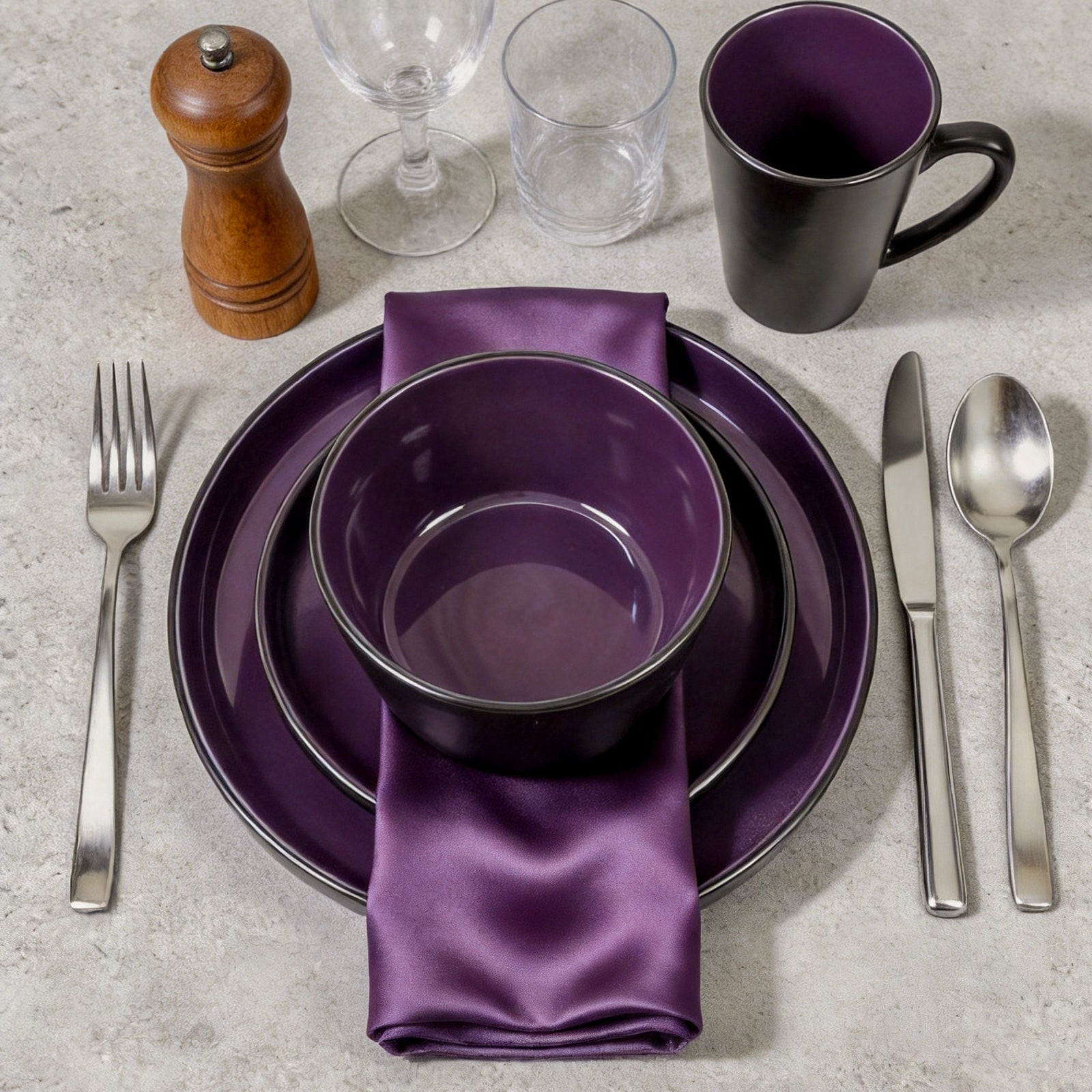
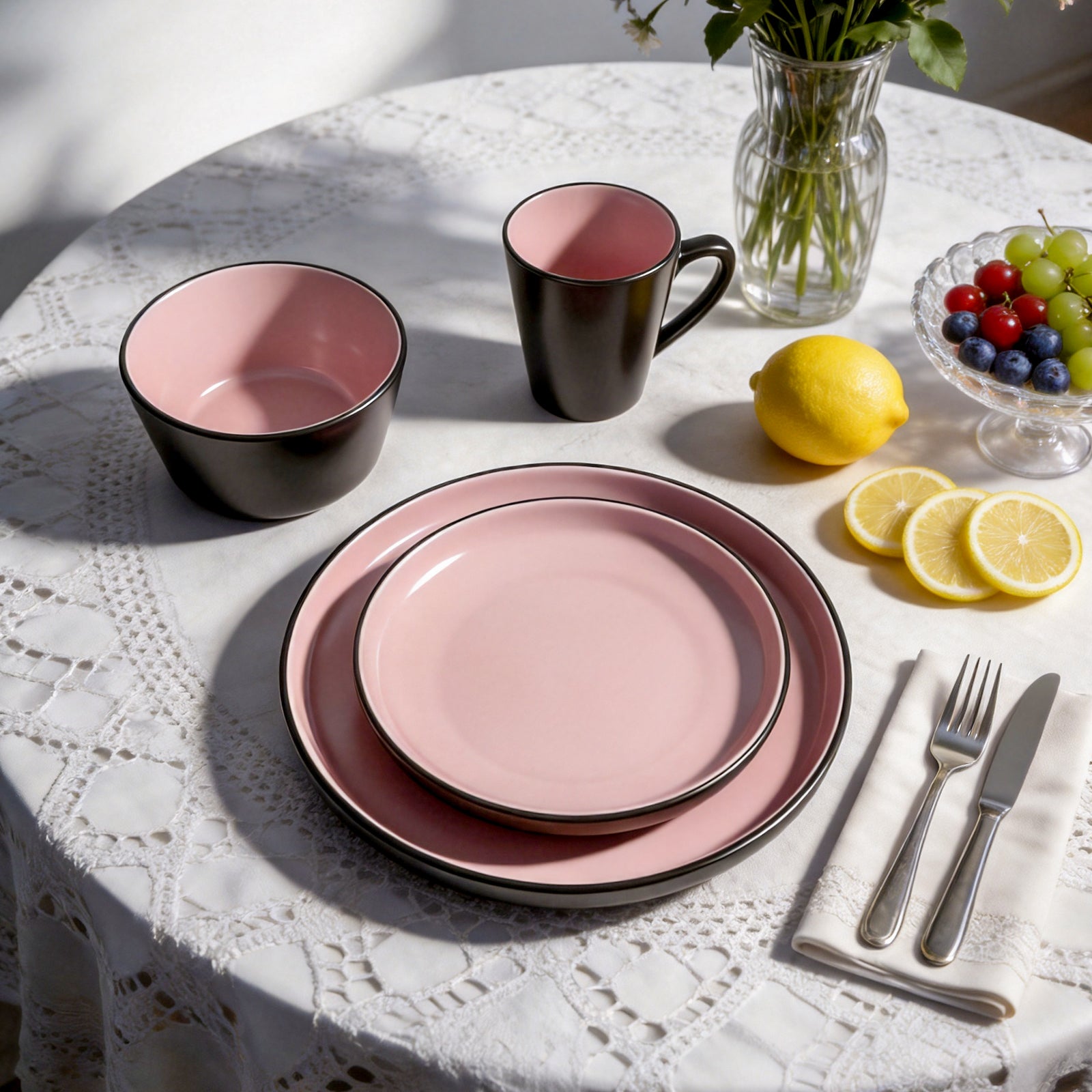
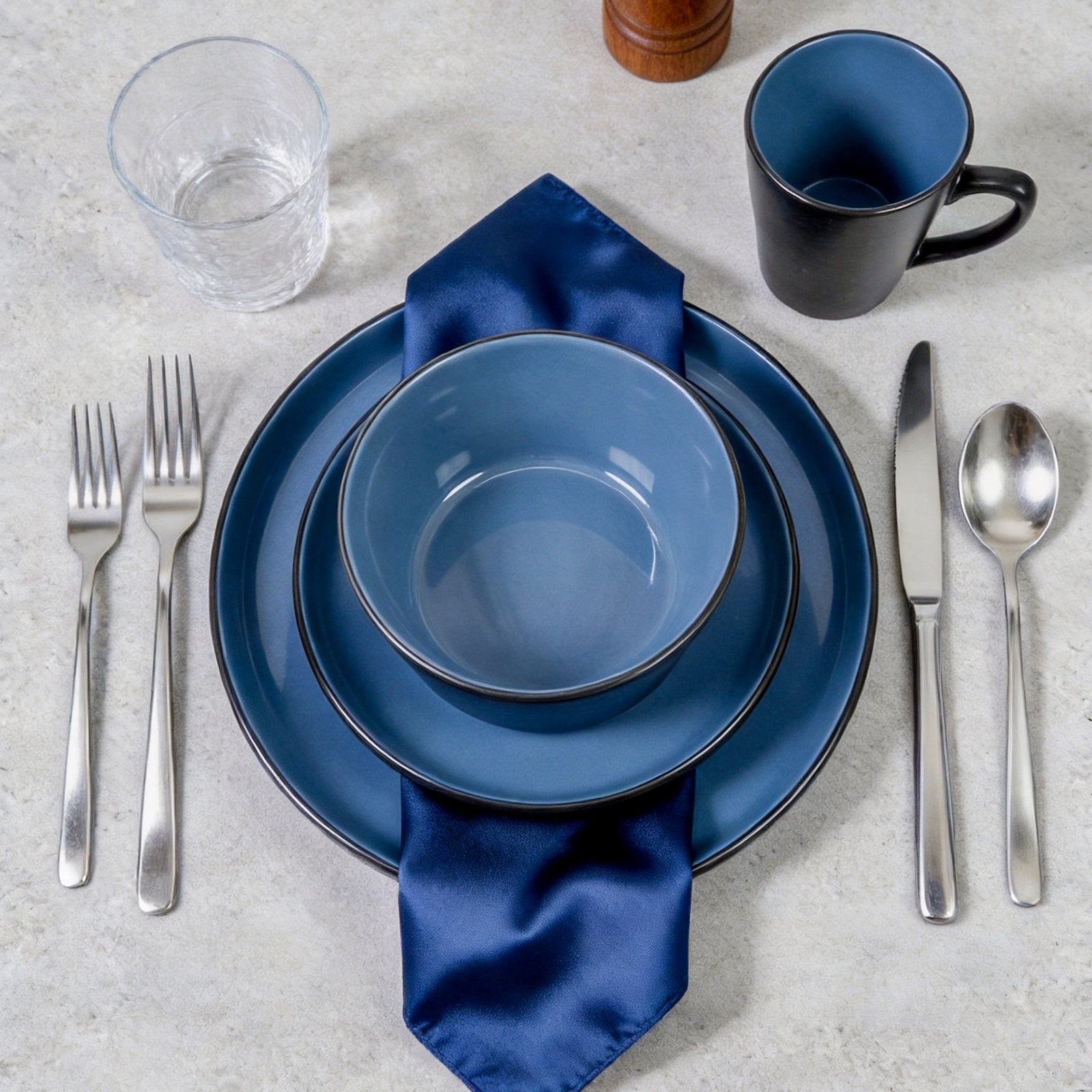

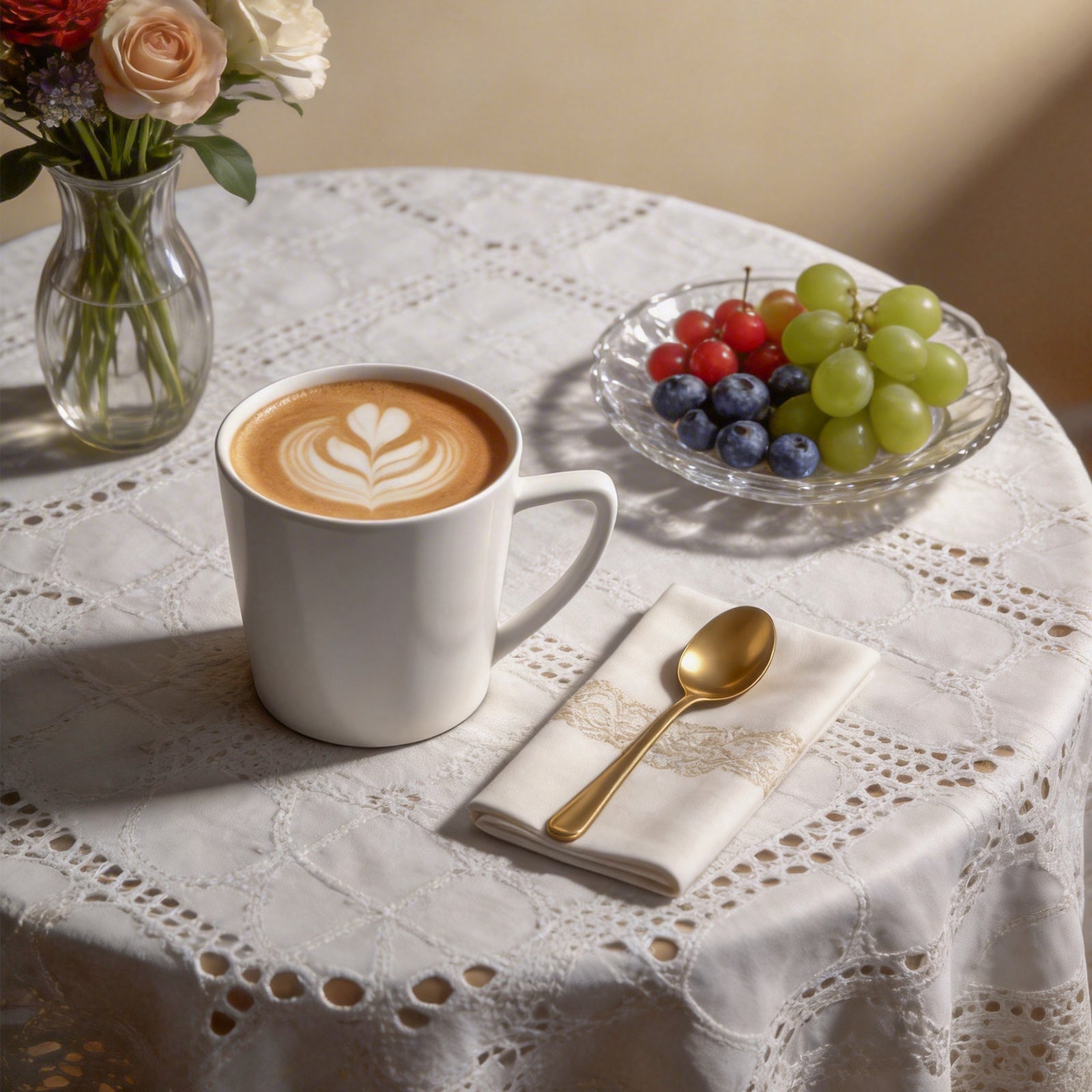





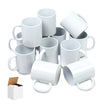
The mug you reach for at 7 a.m. does more than hold coffee. It sets the pace for a quiet morning, a crowded kitchen table, or the few minutes between meetings when tea feels like a reset. The best ceramic mugs make those ordinary moments feel considered while standing up to the reality of everyday use: hot drinks, dishwashers, busy hands, and the occasional bump against the sink.
For a piece used so often, choosing a mug deserves more thought than picking a color. Material, firing temperature, glaze, shape, capacity, and safety standards all affect how a mug looks, feels, and lasts. Here is what to look for when choosing mugs that are ready for daily life and still polished enough to place on a table when company arrives.
What Makes Ceramic Mugs Worth Choosing?
Ceramic is a broad category that includes materials such as stoneware, porcelain, and bone china. What they share is a natural clay base shaped, glazed, and fired at high temperatures. The differences come down to the clay body, firing process, and final feel in the hand.
Ceramic mugs have an easy sense of permanence. They hold heat well, offer satisfying weight without feeling disposable, and give color and glaze real depth. Unlike a novelty cup that gets pushed to the back of the cabinet, a well-made ceramic mug can become part of the daily rhythm of a home.
The trade-off is that ceramic is breakable. No ceramic mug is immune to a hard drop on a tile floor. Quality construction, however, makes a meaningful difference in resistance to everyday chips, temperature changes, and wear. High-fired ceramics, produced at temperatures up to 1200°C, form a denser body that is better suited to regular use than lower-fired pieces.
Stoneware, porcelain, and bone china
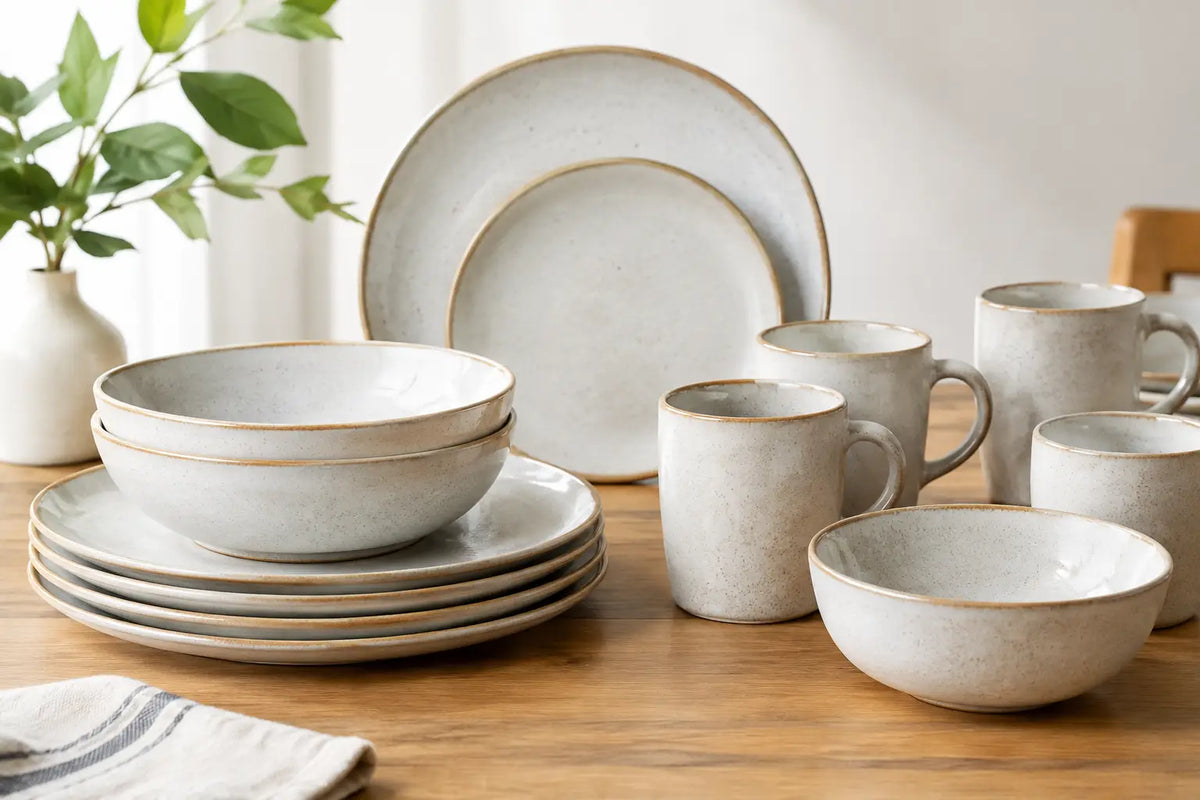
Stoneware is often the natural choice for relaxed, everyday drinkware. It has a substantial feel, holds warmth nicely, and pairs beautifully with hand-finished or reactive glazes. Its grounded character works especially well in homes that favor texture, soft neutrals, and tables that feel welcoming rather than overly formal.
Porcelain is typically lighter and smoother, with a refined finish that can suit both everyday coffee and more formal entertaining. Fine bone china takes that lightness further, offering a delicate-looking profile with impressive strength for its weight. If you prefer a lighter cup or want a more elevated place setting for brunches and celebrations, porcelain or bone china can be a lovely fit.
There is no single best material. A generous stoneware mug may feel right for weekend lattes and cocoa, while a smaller porcelain cup may better suit an afternoon tea ritual. The most useful collection often balances what looks beautiful with what your household will genuinely reach for.
How to Choose Ceramic Mugs That Fit Your Routine
Start with the drink, then consider the way you live. A mug can be beautifully designed and still feel wrong if the handle is too small, the opening is too narrow, or the capacity does not match your usual pour.
For standard coffee and tea, a capacity around 12 to 16 ounces is a practical middle ground. It gives enough room for milk or a larger serving without turning the mug into something heavy and awkward to hold. Smaller mugs are ideal for espresso-based drinks, concentrated tea, or anyone who prefers a fresh, hot refill. Oversized options have their place for soup, cocoa, or generous weekend coffee, but they may be less comfortable for everyday use.
The handle deserves close attention. It should allow a comfortable grip without pressing your fingers against the hot body of the cup. A wide, gently curved handle often feels secure, especially when the mug is full. If you shop online, product dimensions can help, but a clear view of the handle in relation to the cup is equally useful.
Rim shape affects the drinking experience more than many people expect. A thin rim can feel refined, while a slightly rounded rim feels soft and substantial. Wide openings are appealing for lattes and herbal teas because they release aroma, though drinks may cool more quickly. Narrower forms help retain heat but can feel less open for milk foam or a tea bag.
Choose a Glaze With Character and Practicality
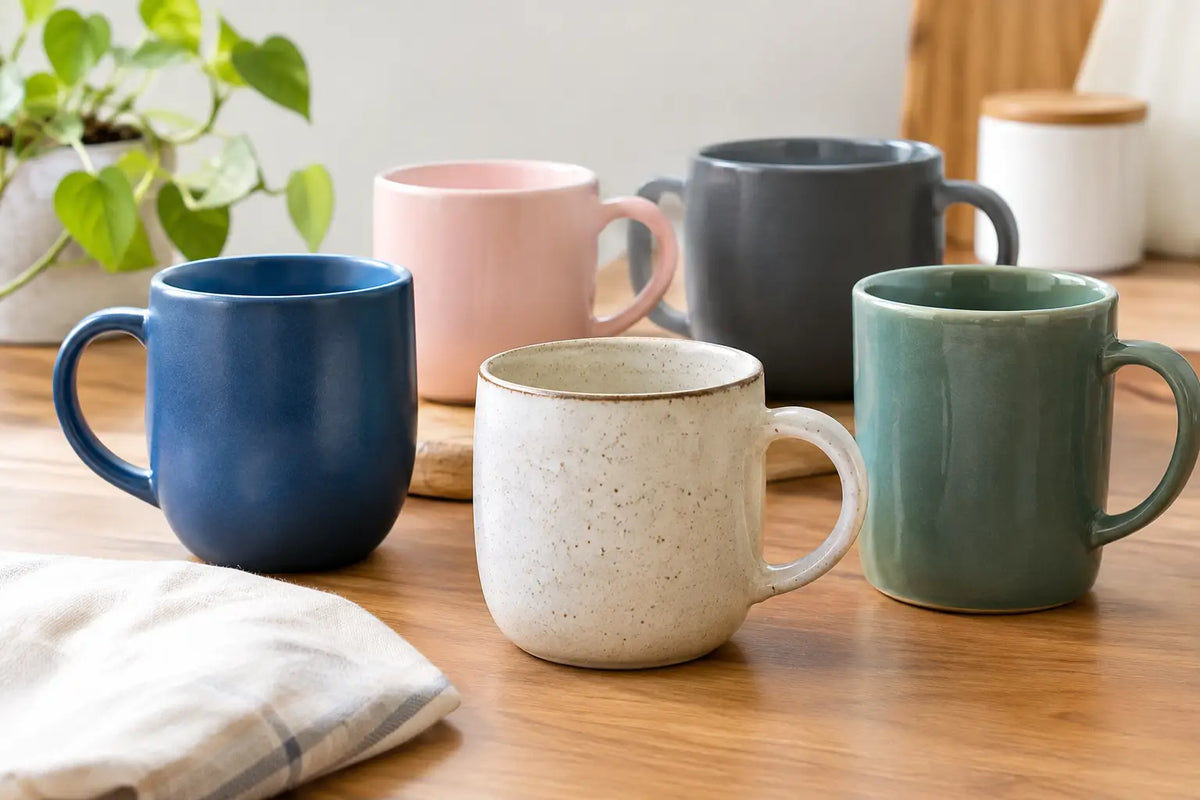
A glaze protects the surface of a ceramic mug and gives it its finished color, sheen, and texture. Glossy glazes are classic and easy to coordinate, while matte finishes create a quieter, more contemporary look. Both can be beautiful, but matte surfaces may show metal marks or everyday contact more readily depending on the finish.
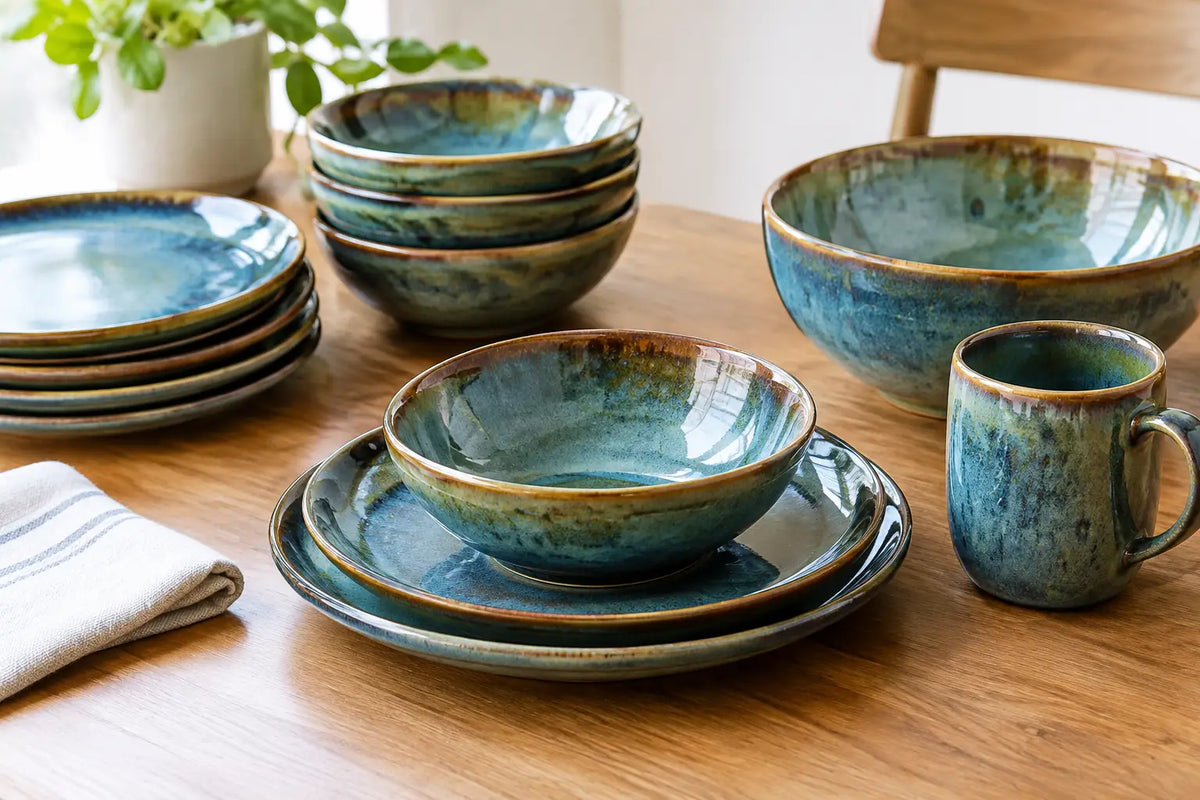
Reactive glazes offer something especially distinctive. During firing, minerals in the glaze respond to heat in subtle variations, creating shifts in color, speckles, pooling, or softly layered edges. That means no two pieces are exactly alike. A reactive-glaze mug can make a simple shelf of cups feel collected and personal rather than factory-uniform.
Variation is part of the appeal, not a flaw. Still, shoppers who want every mug to match precisely may prefer a solid glaze or a more consistent porcelain finish. Consider whether you are building a coordinated set, mixing complementary colors, or choosing a single gift piece with an artisanal presence.
Safety should be clear, not assumed
A beautiful glaze should also meet clear safety standards. Food-contact dinnerware and drinkware should be made without lead and cadmium in the finished product. Health and safety are non-negotiable, especially for mugs used every day by adults, children, and guests.
Look for brands that state their standards plainly rather than relying on vague quality language. HomeVss ceramic drinkware is 100% lead and cadmium-free, offering the confidence that an everyday cup is made with family use in mind. If care guidance is provided for a particular mug, follow it closely, especially for microwave and dishwasher use.
Durability Is About More Than Thickness
A thick mug is not automatically a durable mug. Construction, clay quality, firing temperature, and glaze fit all matter. A mug can feel substantial yet have a poorly formed handle attachment or a glaze that is more prone to crazing, the fine web-like lines that can develop over time.
Examine the base as well as the body. A smoothly finished foot ring helps a mug sit steadily and reduces the chance of scratching a tabletop. The handle should join the mug cleanly, with no rough seams or overly thin connection points. These are small details, but they signal the care behind a piece meant to be used repeatedly.
Daily habits matter, too. Avoid moving a mug directly from the refrigerator into a hot microwave or pouring boiling liquid into a very cold cup. Sudden temperature shifts can stress ceramic. Stacking should be done carefully, particularly with mugs that have unglazed rims or hand-finished surfaces. Even durable pieces last longer when they are treated as lasting objects rather than replaceable ones.
Ceramic Mugs Make Better Gifts When They Feel Personal
A mug is one of the most useful gifts you can give, but it should feel chosen rather than generic. For a housewarming, a pair of coordinating stoneware mugs signals warmth and a fresh start. For a wedding or anniversary, refined bone china or a thoughtfully matched drinkware set feels lasting without being overly formal. For graduations and holidays, a distinctive reactive glaze offers character while remaining practical.
Consider the recipient's routines. A tea drinker may appreciate a wide, calming cup with room for a tea bag and honey. A coffee enthusiast may prefer a taller form that suits a morning pour. For a family, selecting several durable mugs in complementary shades can make everyday cabinets feel more organized and welcoming.
Packaging and replacement support also matter when gifting fragile goods. A brand that takes responsibility for breakage makes an online purchase feel less risky. When a piece arrives damaged, prompt replacement is not an extra courtesy. It is part of the service customers should expect from quality tableware.
Build a Mug Collection You Will Actually Use
You do not need a cabinet full of identical mugs to create a cohesive kitchen. Start with a dependable everyday style, then add a few pieces with a different glaze, shape, or material for guests and slower moments. Keeping a shared color family, such as warm white, deep blue, sage, or soft earth tones, can make a mixed collection feel intentional.
The right ceramic mugs earn their place through use. Choose forms that feel good in your hand, materials that fit your routine, and finishes that bring a little beauty to the drinks you already love. A well-made mug is a small daily luxury, made meaningful by how often it is there when you need it.


Leave a comment
This site is protected by hCaptcha and the hCaptcha Privacy Policy and Terms of Service apply.