


A skillet earns its place by making ordinary meals easier: a crisp-edged grilled cheese on a busy Tuesday, eggs that release cleanly on a slow Sunday, or a deeply browned chicken dinner when company is coming. The cast iron versus nonstick decision is less about finding one "best" pan than choosing the right tool for the way your kitchen actually works.
Cast iron offers heritage craftsmanship, exceptional heat retention, and a cooking surface that improves with use. Nonstick brings speed, low-fat convenience, and a gentler learning curve. Both can be valuable daily essentials, but they ask different things of the cook.
Cast Iron Versus Nonstick at a Glance
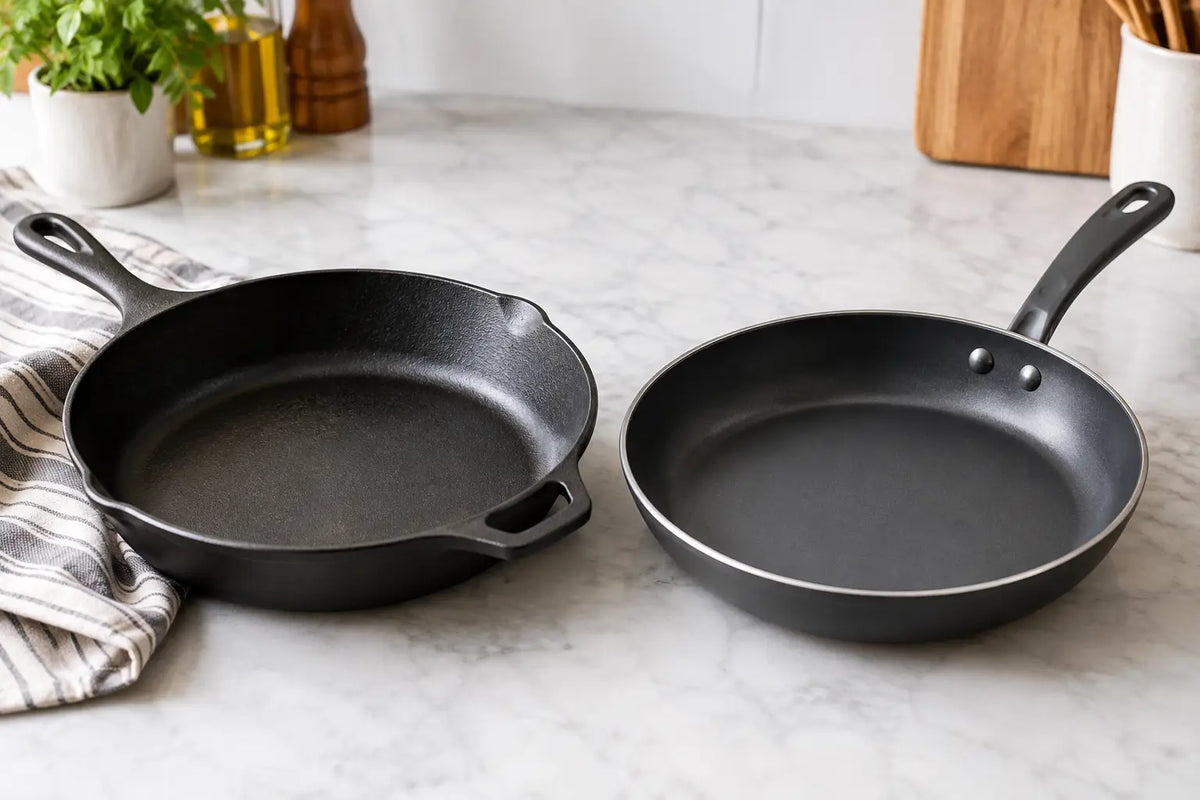
The most meaningful difference is the cooking experience. Cast iron is heavy, durable, and built for high heat. Once thoroughly preheated, it excels at searing steaks, browning chicken thighs, baking cornbread, and moving from stovetop to oven. Its seasoning, a thin layer of oil bonded to the surface through heat, creates a naturally easy-release finish over time.
Nonstick cookware is lighter and immediately forgiving. A quality nonstick skillet is especially useful for delicate foods that can tear or stick before a crust develops, including eggs, pancakes, flaky fish, and soft cheeses. It is also the practical choice when dinner needs to be cooked and cleaned up with minimal fuss.
Neither material is automatically better for every meal. A household that cooks eggs every morning may reach for nonstick most often. A home cook who loves a golden crust on salmon or wants one pan for searing and oven-roasting may find cast iron more rewarding.
When Cast Iron Is the Better Choice
Cast iron is made for cooks who value performance that lasts. Unlike a coated pan, a well-cared-for cast-iron skillet can remain in service for decades. Small surface imperfections are usually repairable with a scrub, a fresh layer of seasoning, and regular use. That resilience makes it a thoughtful addition to a wedding registry, a first-home kitchen, or a collection of pieces chosen to be used rather than stored away.
Its greatest strength is heat retention. Cast iron takes longer to warm up than a lightweight skillet, but once hot, it holds temperature well when cold food hits the pan. That means better browning on burgers, chops, and roasted vegetables. It also gives baked dishes a beautiful finish, from fruit cobbler to skillet cookies.
Cast iron is generally suitable for high-heat cooking and oven use, provided the specific pan's handle and finish are designed for it. An enameled cast-iron Dutch oven adds another dimension: it retains heat beautifully while offering a smooth, nonreactive interior for braises, soups, tomato sauces, and wine-based dishes. For a kitchen built around comforting family meals and generous hosting, these are meaningful advantages.
There are trade-offs. Cast iron is heavy, and that weight can make everyday handling difficult for some cooks. It needs to be dried promptly to prevent rust, and traditional bare cast iron benefits from occasional seasoning. Highly acidic foods, such as a long-simmered tomato sauce, can affect newer seasoning and may pick up a subtle metallic flavor. It is not a reason to avoid cast iron altogether, but it is a reason to match the pan to the recipe.
Cast Iron Care Is Simple, Not Carefree
The idea that cast iron is fussy is often overstated. After cooking, wash it with warm water and a brush or sponge, dry it thoroughly, and wipe on a very thin film of cooking oil if the surface looks dry. Modern dish soap is fine in moderation, though soaking is not. The goal is consistency, not perfection.
A pan may need a little patience before it becomes reliably easy-release. That is normal. Preheat it properly, use enough fat for the food you are cooking, and let proteins develop a crust before trying to move them. With time, the pan becomes more intuitive.
When Nonstick Makes More Sense
Nonstick cookware earns its reputation at breakfast and during quick weeknight meals. It allows eggs to slide out with less oil, helps pancakes brown evenly, and makes cleanup especially easy after a long day. For renters, new cooks, and anyone who prefers lightweight cookware, those benefits can matter more than the romance of a heavy skillet.
Most conventional nonstick pans use a PTFE-based coating. When used according to the manufacturer's temperature and utensil guidance, these pans are designed for everyday cooking. The key is to avoid overheating an empty pan, use low to medium heat for most tasks, and choose silicone, wood, or other nonmetal utensils to protect the surface. A damaged or deeply scratched coating is a clear sign that it is time to replace the pan.
Ceramic-coated nonstick pans are another option, valued for their smooth feel and often marketed as free from certain traditional coating materials. Their performance can be excellent at first, but the easy-release quality may fade sooner than many buyers expect, especially with high heat or dishwasher use. It is worth reading care instructions closely instead of assuming every nonstick finish performs the same way.
Nonstick is not the right choice for a hard sear. High heat can shorten the life of the coating, and lightweight construction often loses heat quickly when food is added. If your favorite dinner begins with "get the pan smoking hot," cast iron is usually the more dependable partner.
Choose Based on What You Cook Most
A practical kitchen does not need every type of cookware, but it benefits from intentional choices. Think about the meals you make repeatedly, not the ambitious recipe you plan to try once a year.
Choose cast iron if you regularly sear meat, roast vegetables, bake in a skillet, cook for a crowd, or want a piece with lasting character. It is also ideal for anyone who enjoys the small ritual of caring for cookware and appreciates the look of a beautifully made pan on an open shelf or at the center of a table.
Choose nonstick if eggs, omelets, crepes, and delicate fish appear often in your rotation; if you want to cook with less added oil; or if a quick cleanup makes home cooking more realistic on busy evenings. A nonstick skillet can be the pan that keeps breakfast calm and makes weeknight cooking feel manageable.
For many homes, the strongest answer is both. Keep a nonstick skillet for fragile foods and fast meals, then rely on cast iron for high-heat cooking and oven-to-table dishes. This pairing prevents each pan from being asked to do work it was not designed to do.
Consider the Rest of Your Table, Too
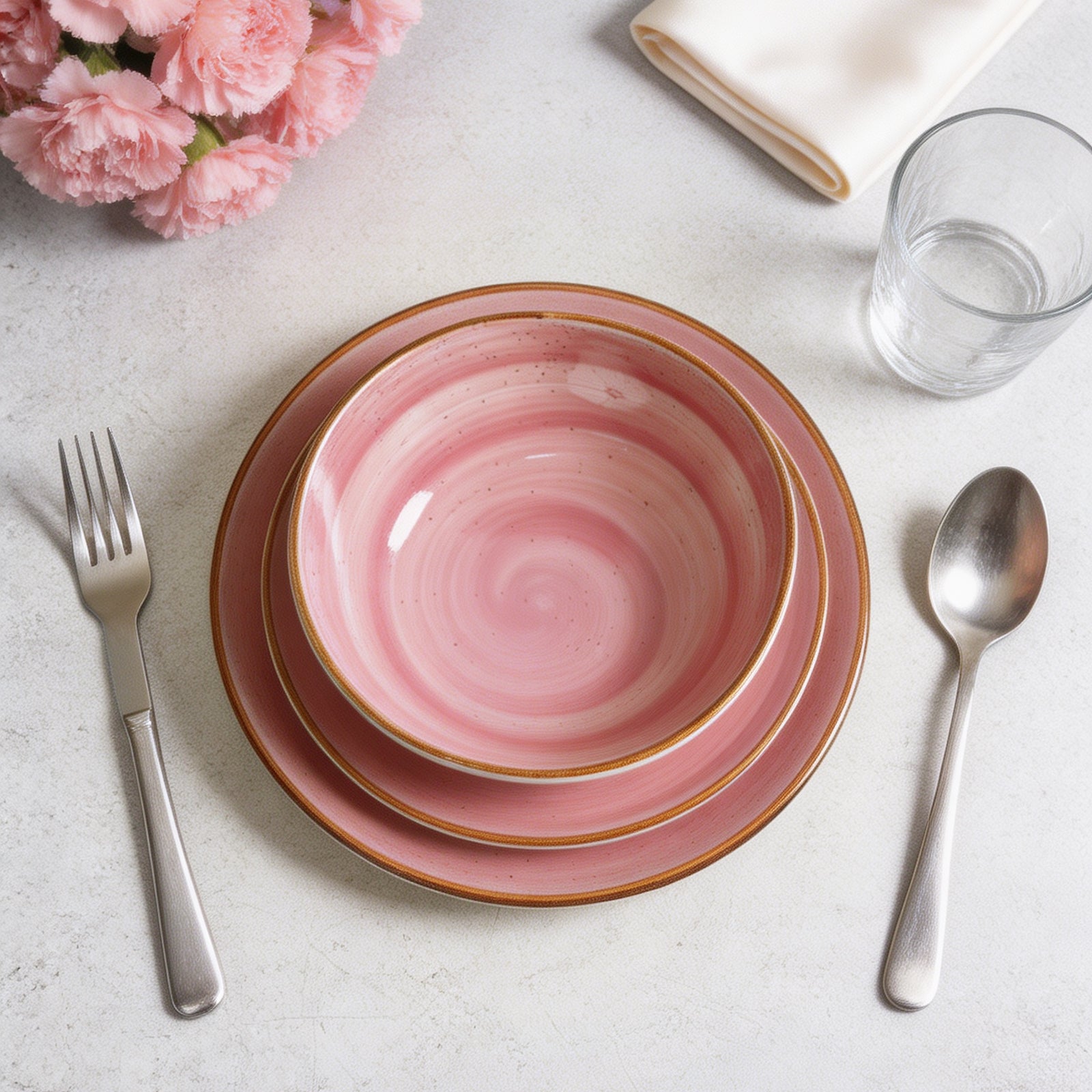
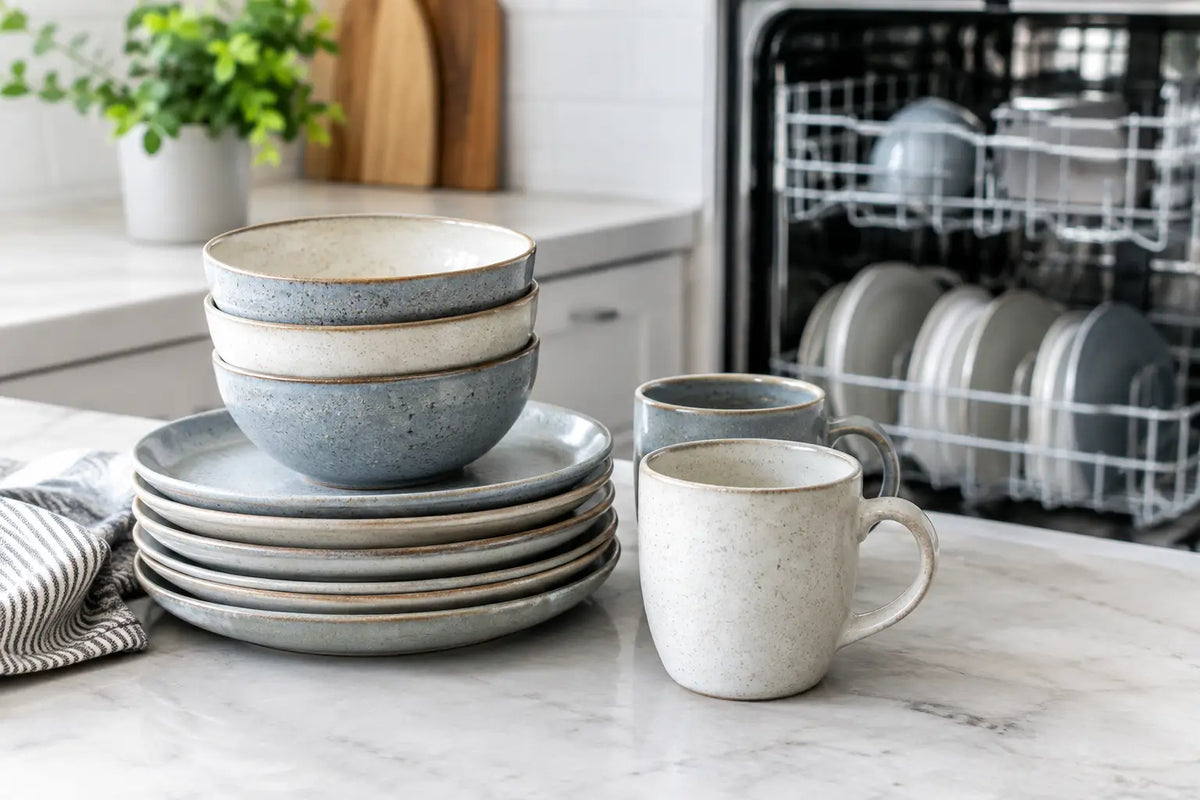
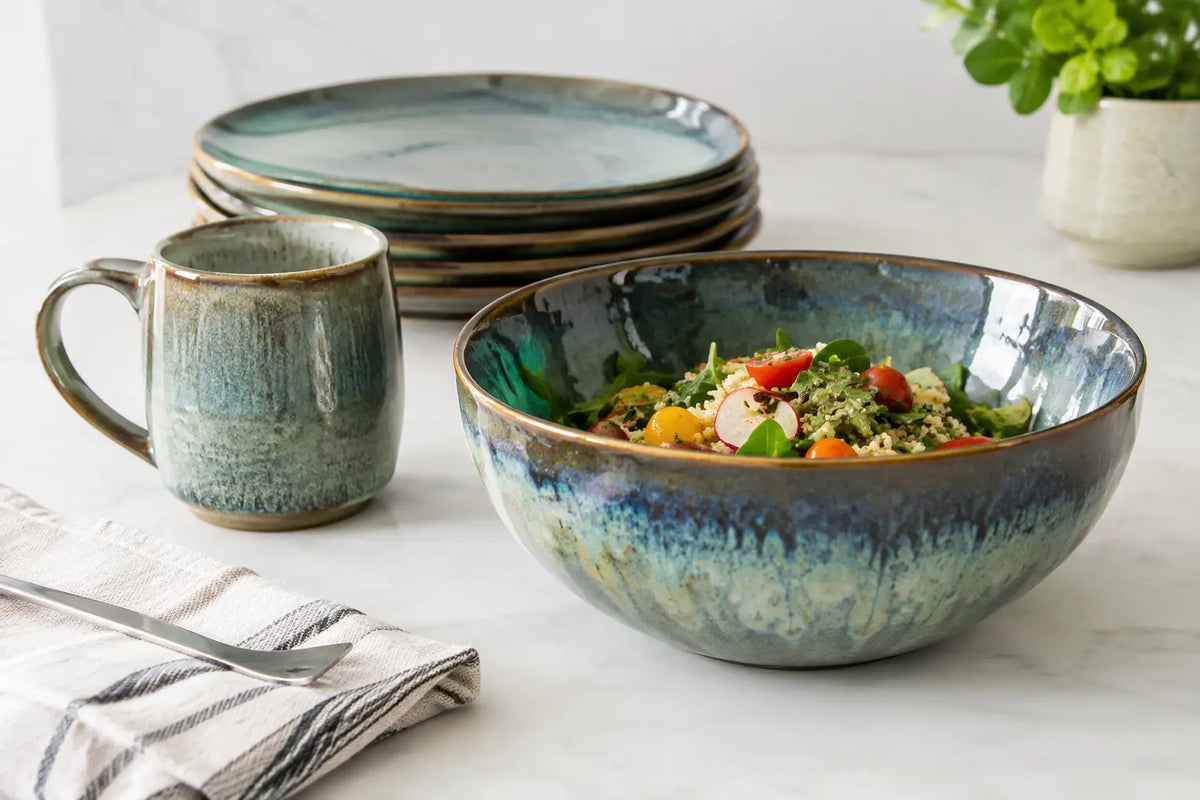
Cookware can be functional without disappearing into a cabinet. A cast-iron skillet, grill pan, or mini casserole brings a sense of occasion to a shared meal, particularly when it moves safely from oven to table on a trivet. Paired with durable, lead- and cadmium-free dinnerware, it makes even a simple baked dip or skillet dessert feel considered.
HomeVss cast-iron pieces are designed for that balance of utility and presentation: cookware with the substance for everyday meals and the presence for gathering friends and family. The same principle applies whether you are choosing a single skillet or building a more complete kitchen - buy pieces that support the meals and moments you genuinely enjoy.
A Few Care Habits Protect Either Pan
No matter which material you choose, heating gradually is a smart start. Match the burner size to the pan, avoid thermal shock from sudden temperature changes, and allow cookware to cool before washing. With nonstick, skip metal utensils and harsh scouring pads. With bare cast iron, avoid prolonged soaking and dry it fully.
Storage matters, too. If stacking nonstick pans, place a soft pan protector or clean dish towel between them to guard the coating. Store cast iron in a dry place, and do not worry if a well-used surface becomes darker and more varied over time. That patina is part of its character.
The right pan is the one that invites you to cook more often. Choose nonstick for ease, cast iron for heat and longevity, or make room for both and let each bring its particular strengths to the table.


Leave a comment
This site is protected by hCaptcha and the hCaptcha Privacy Policy and Terms of Service apply.