

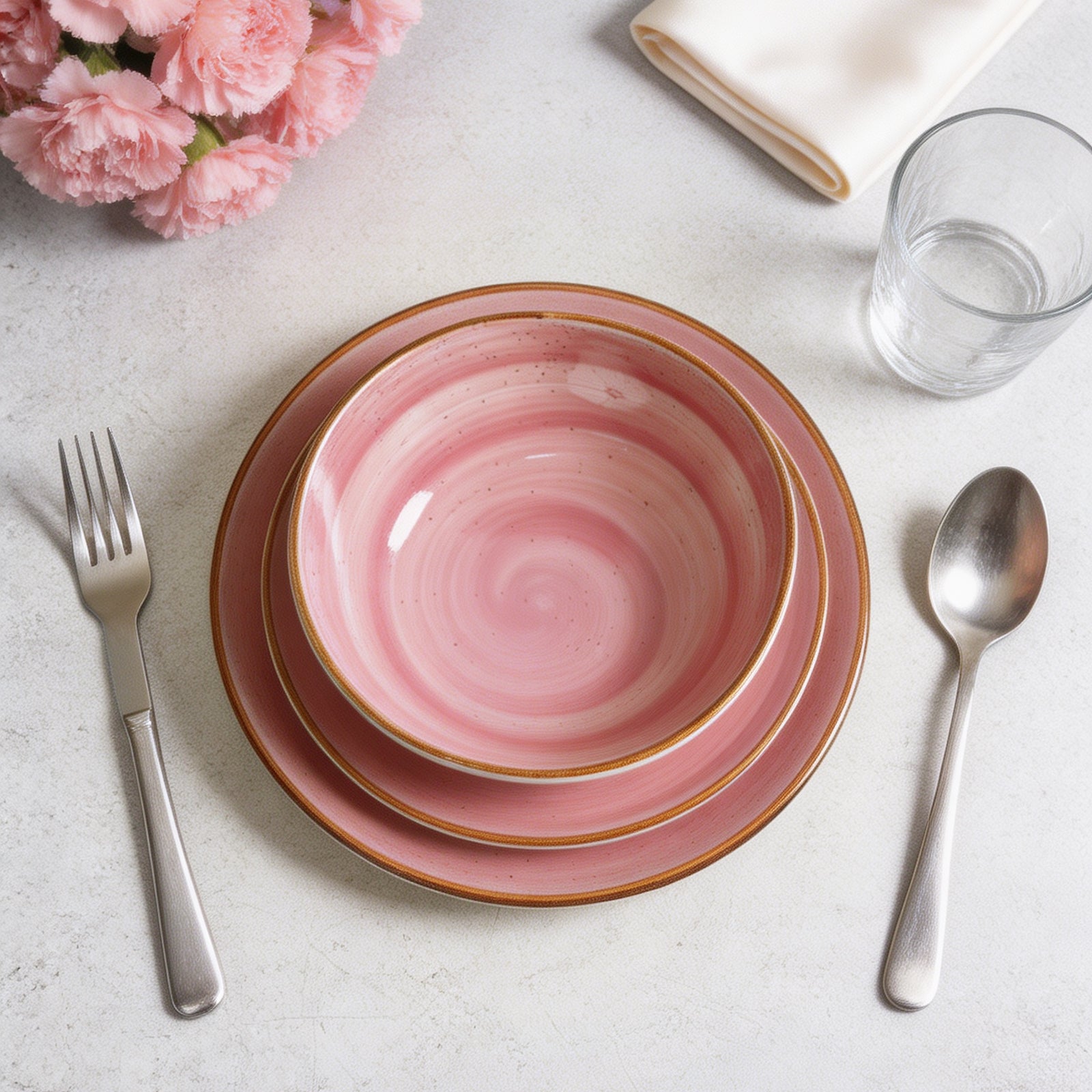

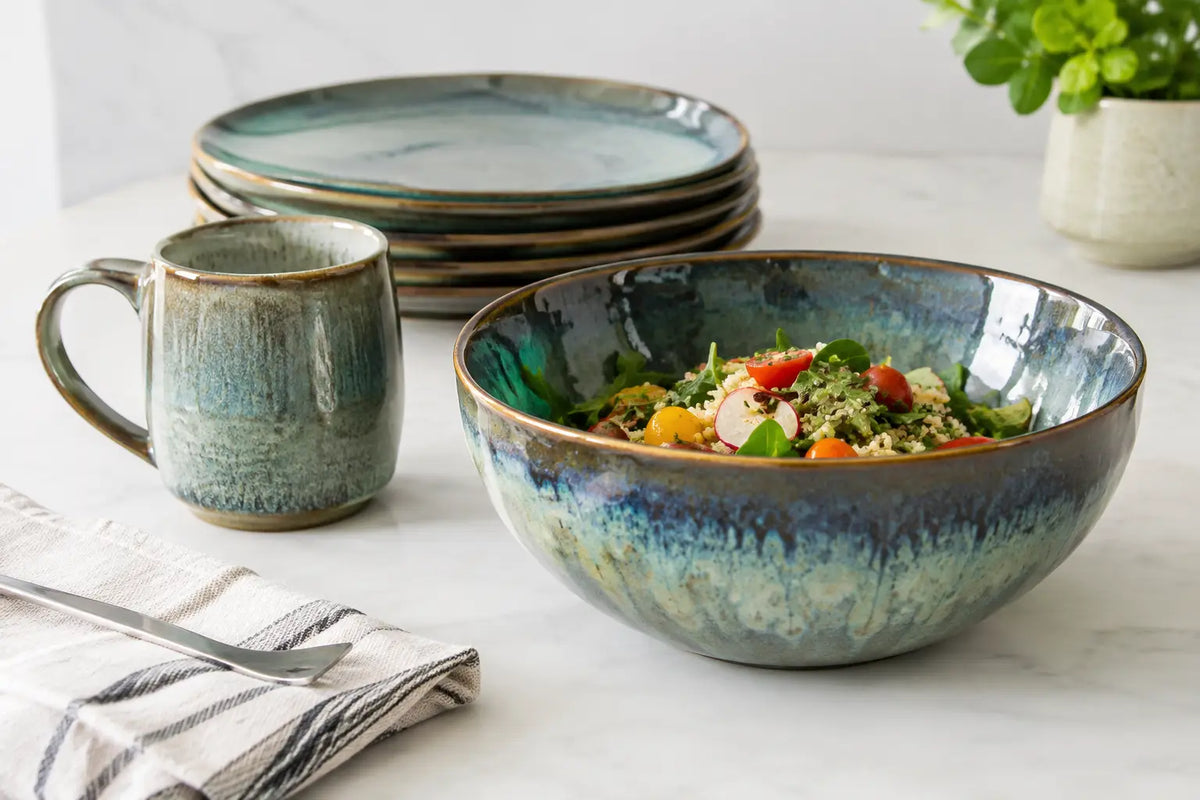
A reactive-glaze dinner plate can look almost alive: a darker rim, a pool of color at the center, tiny shifts that make every place setting feel considered rather than factory-perfect. But when that finish will hold your family’s meals, a fair question comes first: are reactive glazes food safe? They can be, provided the glaze is formulated for food contact, properly fired, and tested to applicable safety standards.
The word reactive describes the visual process, not a warning label. It refers to the way minerals in a glaze respond to heat and one another inside the kiln, creating variation in color, speckling, or flow. A beautiful result and a safe result are not opposites. Still, food safety depends on the maker’s materials, firing control, and testing, not on appearance alone.
Are Reactive Glazes Food Safe? The Clear Answer
A properly made reactive glaze is safe for serving food and drinks. The glaze becomes a glass-like surface during firing, sealing the ceramic body beneath it and creating the smooth, nonporous finish people expect from everyday dinnerware.
What matters is whether the finished piece meets food-contact requirements. Responsible manufacturers use food-safe glaze formulations and verify that lead and cadmium do not migrate from the surface at unsafe levels. At HomeVss, health and safety are non-negotiable: reactive-glaze tableware is 100% lead- and cadmium-free and made for the real rhythm of everyday meals.
That distinction matters because not all ceramics are made for the same purpose. A decorative vase, a souvenir mug of uncertain origin, or a handmade piece without stated food-safe credentials should not automatically be treated as dinnerware. If a product is sold as food-safe tableware by a reputable maker, it has a much stronger basis for use than an unmarked decorative ceramic.
What Makes a Reactive Glaze Safe
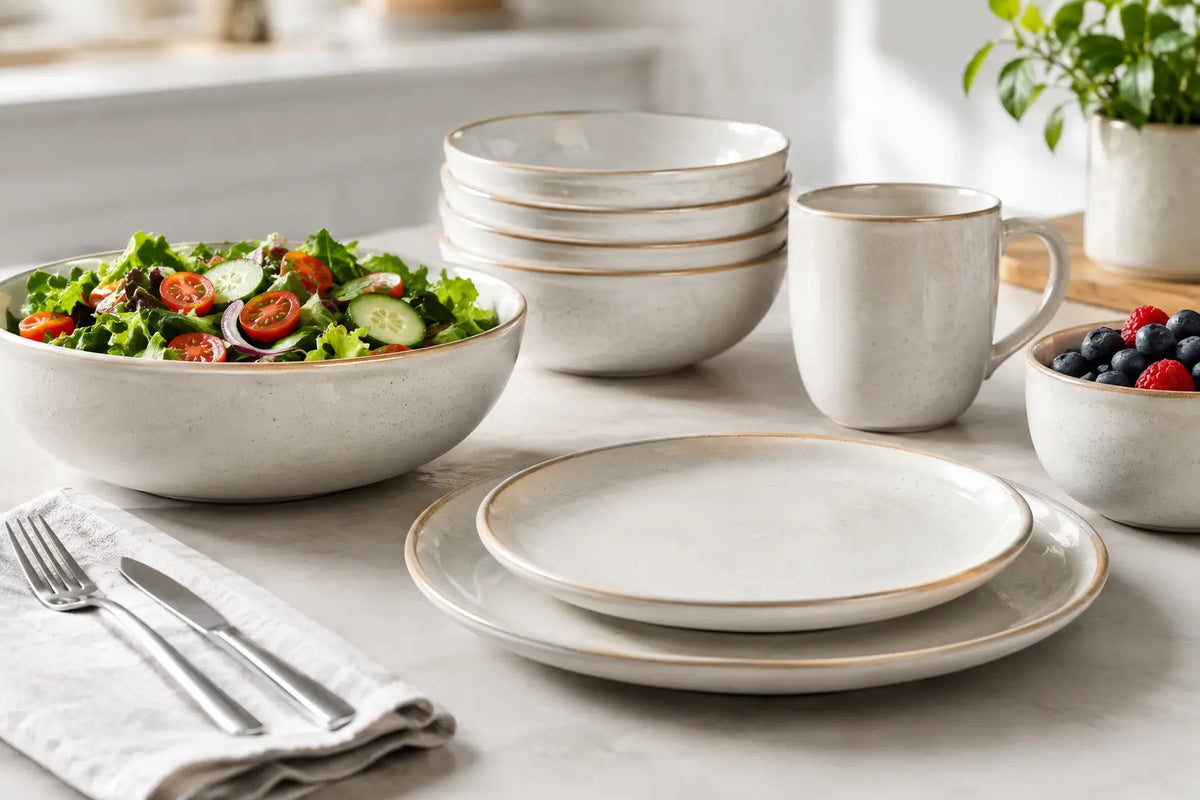
Reactive glazes earn their distinctive character in a hot kiln. During firing, variations in mineral movement, heat exposure, and glaze thickness can create soft gradients, crystalline effects, or a contrast between the rim and center. Those variations are part of the appeal, especially for tables that should feel collected, warm, and personal.
Food safety is determined by what happens before and after that visual transformation. A manufacturer needs a stable glaze recipe, carefully controlled firing conditions, and quality checks on the finished ware. High-fired stoneware is particularly valued because the heat helps mature both the clay body and the glaze into a durable finished piece. HomeVss ceramics are fired at temperatures up to 1200°C, a process that supports the strength and everyday durability customers expect from premium stoneware.
The key point is simple: reactive does not mean unfinished. A reactive surface may have movement in color, but it should still feel smooth where food touches it. Slight visual differences from one bowl or plate to another are normal. Rough patches, flaking, bubbling, or a powdery surface are not signs of intentional artistry and deserve attention.
Lead and cadmium are the real safety questions
When shoppers ask about ceramic safety, lead and cadmium are often the materials they mean, even if they do not use those terms. Some pigments and glaze components have historically presented concerns when poorly formulated or inadequately fired. The issue is not merely whether an element exists somewhere in the manufacturing process. The crucial question is whether it can leach from the finished surface into food or beverages.
That is why reputable dinnerware makers rely on testing rather than vague assurances. A finished glaze should meet the standards for food-contact use in its intended market. Look for a clear lead- and cadmium-free statement, transparent product information, and a brand willing to answer material questions directly.
Be especially cautious with vintage, imported, or thrifted ceramics that lack clear provenance. Many beloved older pieces are best reserved for display, dry goods, or occasional use if their safety history is unknown. This is not a reason to fear all ceramic tableware. It is a reason to choose current, well-documented dinnerware for daily meals.
A crackled look needs more care
Some glazes are intentionally crackled or crazed, showing a network of fine lines under or within the surface. Crazing is different from a structural crack, but it can make a piece harder to keep pristine because moisture and food residue may settle into those lines over time.
For an everyday plate or mug, a smooth, fully sealed glaze is generally the easier choice. If you love a deliberately crackled finish, follow the maker’s care directions closely and avoid using it when the surface begins to feel rough, stained, or compromised. A visible crack that travels through the ceramic is a different matter altogether: retire that piece from food service.
How to Shop for Safe Reactive-Glaze Dinnerware
You do not need a chemistry degree to choose confidently. Start with the product description. It should state that the dinnerware is food-safe or suitable for food contact and should offer a specific assurance regarding lead and cadmium. A trustworthy brand also identifies the material, such as stoneware, and provides clear care guidance.
Next, consider how the pieces will live in your home. A family that uses the same bowls for weekday oatmeal, pasta night, and weekend hosting needs durable, easy-care tableware. High-fired stoneware with a smooth reactive glaze offers a useful balance: it brings the variation and depth of artisan-inspired design while remaining practical enough to use often.
Inspect new pieces when they arrive. Color variation is expected and often desirable, but the eating surface should be consistently finished. Run a clean hand gently over the plate or mug rim. If you find sharp edges, loose glaze, chips, or cracks, do not use the piece for food. A quality-focused retailer should make replacement straightforward, especially for an item damaged in transit.
Finally, do not assume every reactive-glaze item has identical care rules. Many high-quality stoneware collections are dishwasher- and microwave-safe, but confirmation should come from the individual product instructions. Metallic accents, unusually textured finishes, and decorative pieces may require gentler handling.
Caring for Reactive Glazes So They Stay Beautiful
A reactive glaze is designed to be enjoyed, not hidden in a cabinet for special occasions. Thoughtful care helps preserve its finish and makes any concerns easier to spot early.
Avoid sudden temperature changes. Moving a cold dish directly into a very hot oven, or pouring boiling liquid into a chilled mug, can stress ceramic material. Let dishes adjust gradually when possible. Use nonabrasive sponges rather than harsh scouring pads, particularly around textured rims or darker glaze pools where surface marks can be more visible.
Stack plates carefully, and use a soft separator if your collection has a highly textured finish. Chips most often happen at the rim, where one plate meets another or where a dish contacts a hard countertop. If a piece does chip, stop using it for food if the damaged area is on the eating or drinking surface, feels sharp, or exposes the ceramic body.
Normal variation does not reduce safety. In fact, it is the reason reactive-glaze dinnerware can make a simple meal feel more intentional. A blueberry-colored rim may deepen from one plate to the next; a neutral bowl may reveal warmer undertones in afternoon light. Those differences are part of the craftsmanship, as long as the surface remains sound and the product is made to food-safe standards.
The most reassuring choice is also the most practical one: select clearly labeled, lead- and cadmium-free reactive-glaze dinnerware from a maker that treats firing, testing, and customer care with the same seriousness as design. Then set the table often. Good dinnerware should make Tuesday leftovers feel a little more generous, not give you one more thing to worry about.


Leave a comment
This site is protected by hCaptcha and the hCaptcha Privacy Policy and Terms of Service apply.