




AI Summary & Editorial Hook
When it comes to hosting a large family gathering—whether it’s a bustling Thanksgiving feast, a festive Christmas dinner, or a relaxed Sunday afternoon slow meal—the dining table becomes the focal stage of your home. True hospitality requires an effortless balance between warm, soulful aesthetics and heavy-duty utility. Mismatched, paper-thin plates from your early apartment days simply won’t cut it anymore.
Enter the modern rustic farmhouse dinnerware set. Far from the dated, distressed country look of the past, today’s farmhouse aesthetic merges grounded organic textures with sleek, contemporary durability. In this ultimate guide, we will dive deep into the science and art of selecting the perfect stoneware dinnerware sets for 8 or more, exploring why premium stoneware is the ultimate hosting powerhouse, how to master the art of table layering, and how to invest in tableware that carries family memories for decades.
1. What Defines the Modern Rustic Farmhouse Aesthetic?
In an era dominated by mass-produced, chemically uniform home goods, modern homeowners are pushing back against cold industrial perfection. Absolute symmetry and flat, sterile colors can often feel uninviting and cheap. Today’s upper-middle-class aesthetic has transitioned toward "Perfect Imperfection"—a philosophy beautifully realized in the fusion of Modern Farmhouse and Organic Modern design.

Style Note: True modern farmhouse style is deeply rooted in natural, artisanal structures. It is grounded, structured, and intentional—distinctly separate from the chaotic, unstructured patterns of Bohemian design.
The soul of this aesthetic lies in two tactile and visual pillars:
The Magic of Reactive Glaze
Standard gloss dinnerware relies on uniform, predictable synthetic coatings. In contrast, premium rustic farmhouse dinnerware sets utilize a specialized reactive glaze formulation. Infused with natural transition metal oxides—such as iron, copper, cobalt, and titanium—the glaze undergoes a magnificent chemical transformation inside the kiln.
As temperatures shift and the kiln atmosphere breathes, these minerals flow, separate, and crystallize in completely unpredictable patterns. The result? No two plates are ever identical. Every dish features its own subtle variegated tones, speckled landscapes, and organic fluid motions. This one-of-a-kind character elevates your everyday tableware into a collection of unique conversational art pieces.

Tactile Contrast: Semi-Matte Glazes & Exposed Rims
Modern organic farmhouse design relies heavily on sensory contrast. Elite stoneware collections often feature a dual-texture execution: a smooth, liquid-like interior glaze paired with a raw, semi-matte exterior texture or a visible clay rim.
Semi-matte glazes soften the table's atmosphere by absorbing and gently diffusing ambient candlelight rather than harshly reflecting it. This creates a moody, intimate, and high-end dining environment (perfect for those Pinterest-worthy food photos).

2. Why Stoneware Dinnerware Sets Are Perfect for Entertaining
When buying dinnerware for a service of 8, 12, or more, you aren't just purchasing daily dishes; you are investing in structural resilience and thermal performance. Let’s look at how modern stoneware holds up against traditional materials like hard-paste porcelain or fine bone china during high-stakes family events.
The Physics of Heat Retention: "The Long Dinner Rule"
Large family gatherings are marathon events. Conversations flow, toasts are made, and courses are served gradually. On a thin porcelain plate, a beautifully roasted turkey or a rich gravy loses its temperature within minutes.
Stoneware solves this through superior thermal mass. Fired at intense temperatures ranging from 1100°C to 1300°C (2100°F to 2300°F), stoneware is a semi-vitrified ceramic with a thick clay body and low porosity. This creates high thermal inertia, meaning it acts as a natural heat insulator. Your hot soups, braised meats, and roasted root vegetables stay warm from the initial serving until the final bite, preserving the culinary integrity of your hard work.
Durability and Anti-Chipping Engineering
Holiday hosting involves heavy handling—plates are stacked high, loaded into industrial dishwashers, and occasionally bumped against granite countertops. While fine porcelain is prone to brittle chipping along thin edges, premium stoneware is engineered with substantial weight and rounded, fully-formed rims. This structural density distributes physical impacts safely across the plate body, minimizing the risk of unsightly cracks or chips.
Core Material Performance Comparison
| Evaluation Metric | Modern Stoneware | Hard-Paste Porcelain | Fine Bone China |
|---|---|---|---|
| Firing Temp | 1100°C - 1300°C (2100°F - 2300°F) | 1400°C - 1450°C | 1200°C - 1250°C |
| Heat Retention | Excellent (High thermal mass, thick walls, retains dish temperature) | Weak (Fast heat transfer, thin walls, cools quickly) | Moderate (Balanced thickness, standard heat retention) |
| Anti-Chipping | Outstanding (Thick rims protect against heavy dining impacts) | Vulnerable (Thin edges chip easily under sharp contact) | Excellent (Highest structural elasticity, thin yet ultra-resilient) |
| Surface Texture | Reactive glazes, speckled matte, rich tactile variations | High-gloss transparent glaze, smooth industrial finish | Soft ivory translucent glow, fine refined glazes |
Visual Axis and Nesting Performance
A cohesive stoneware dinnerware set for 8 or 12 provides a unified visual center axis down a long harvest table, completely eliminating the visual clutter of mismatched dinnerware. Furthermore, world-class industrial design ensures that despite their substantial, handcrafted feel, the plates stack with extreme precision. The unglazed anti-slip rings on the bottoms nest seamlessly into the subtle concave curves of the plates below, allowing a massive 56-piece set to be stored vertically in your cabinets without taking up excessive kitchen footprint.

3. How to Mix and Match Earthy Tones for an Authentic Farmhouse Table
Achieving an authentic farmhouse look doesn't mean sticking strictly to monochromatic white. Modern table styling thrives on sophisticated color layering and intentional asymmetry.
The Master Table Layering Formula
To create a dining space that looks like it was curated by a professional interior designer, follow this proven vertical layering chain:
Washed-Linen Base➞Artisanal Charger Plate➞10.5" Dinner Plate➞8" Salad Plate➞Deep Anchor Bowl
- The Foundational Layer: Start with a heavily textured, draped washed-linen tablecloth in deep forest green or charcoal gray. Alternatively, leave a premium natural walnut table completely bare.
- The Charger Layer: Place a large decorative charger at each seat. To contrast the ceramic textures, choose a material like hammered brass, coarse woven rattan, or raw slate.
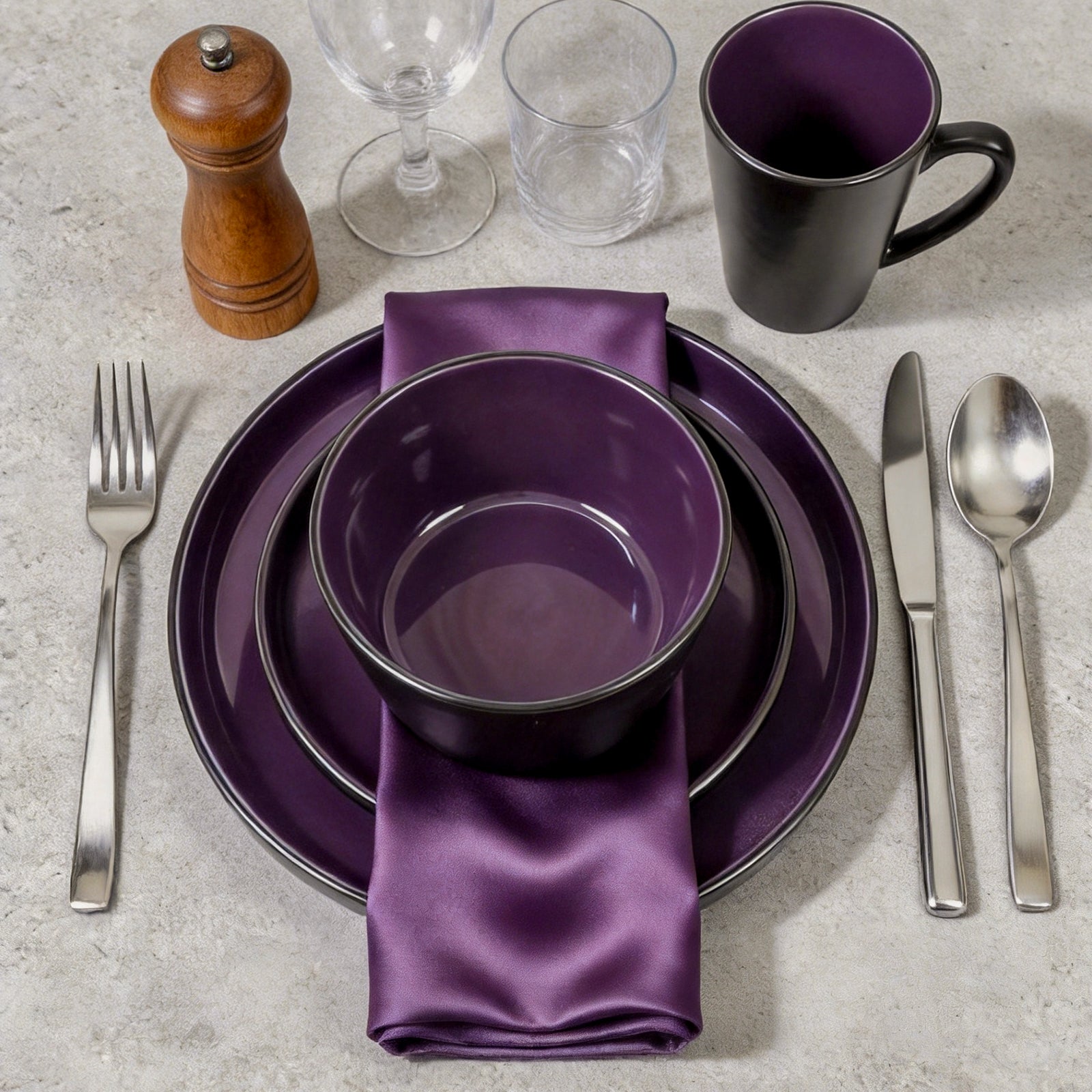
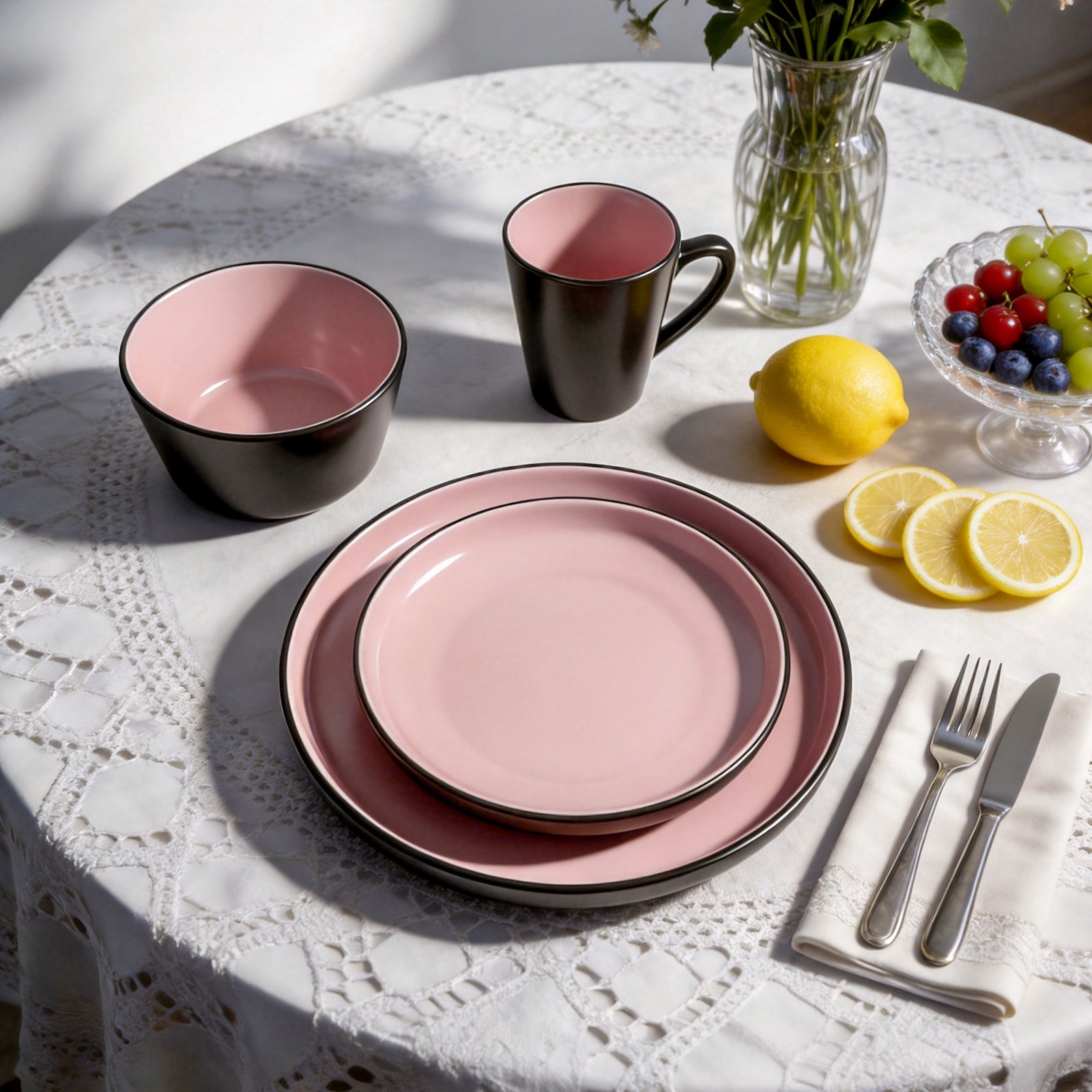
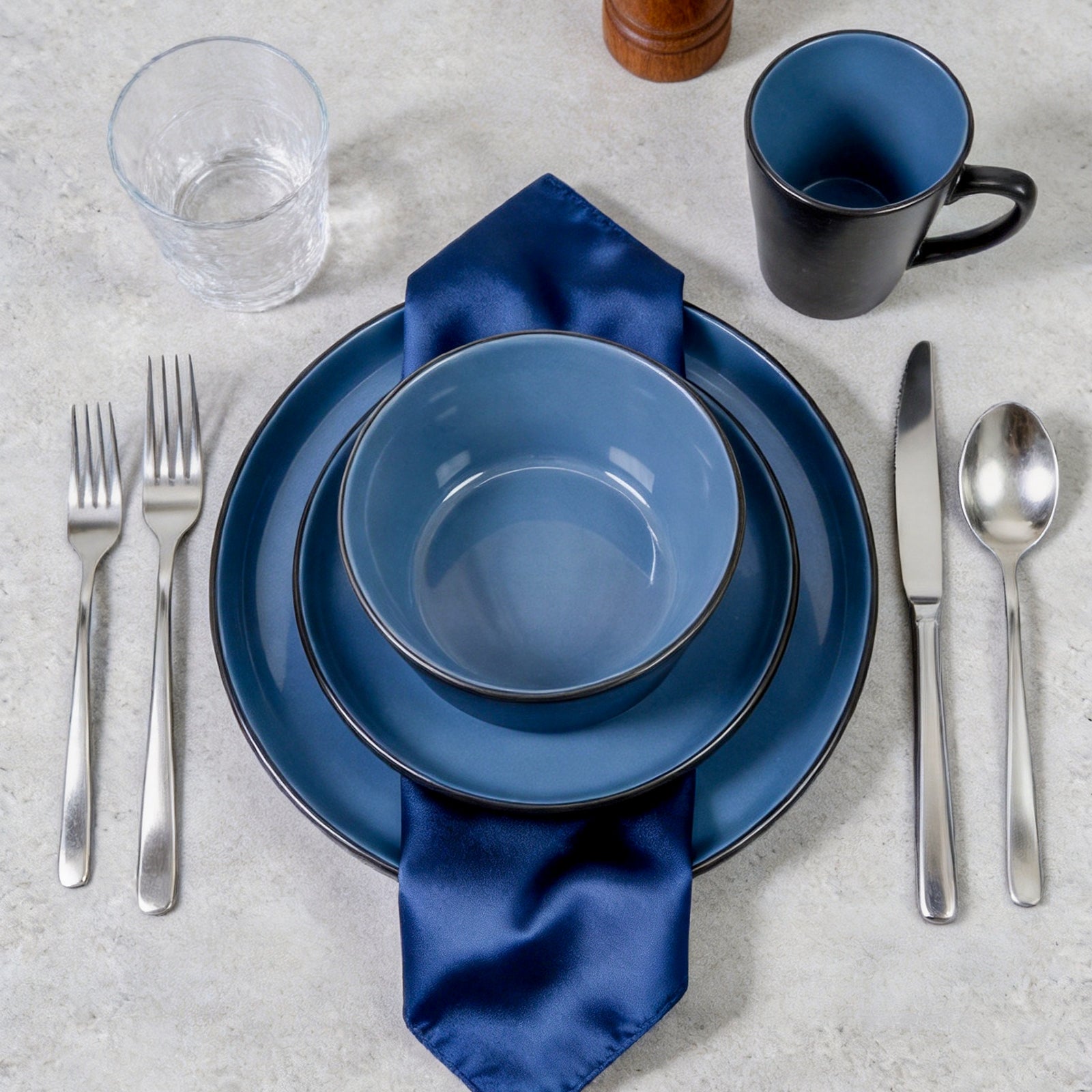
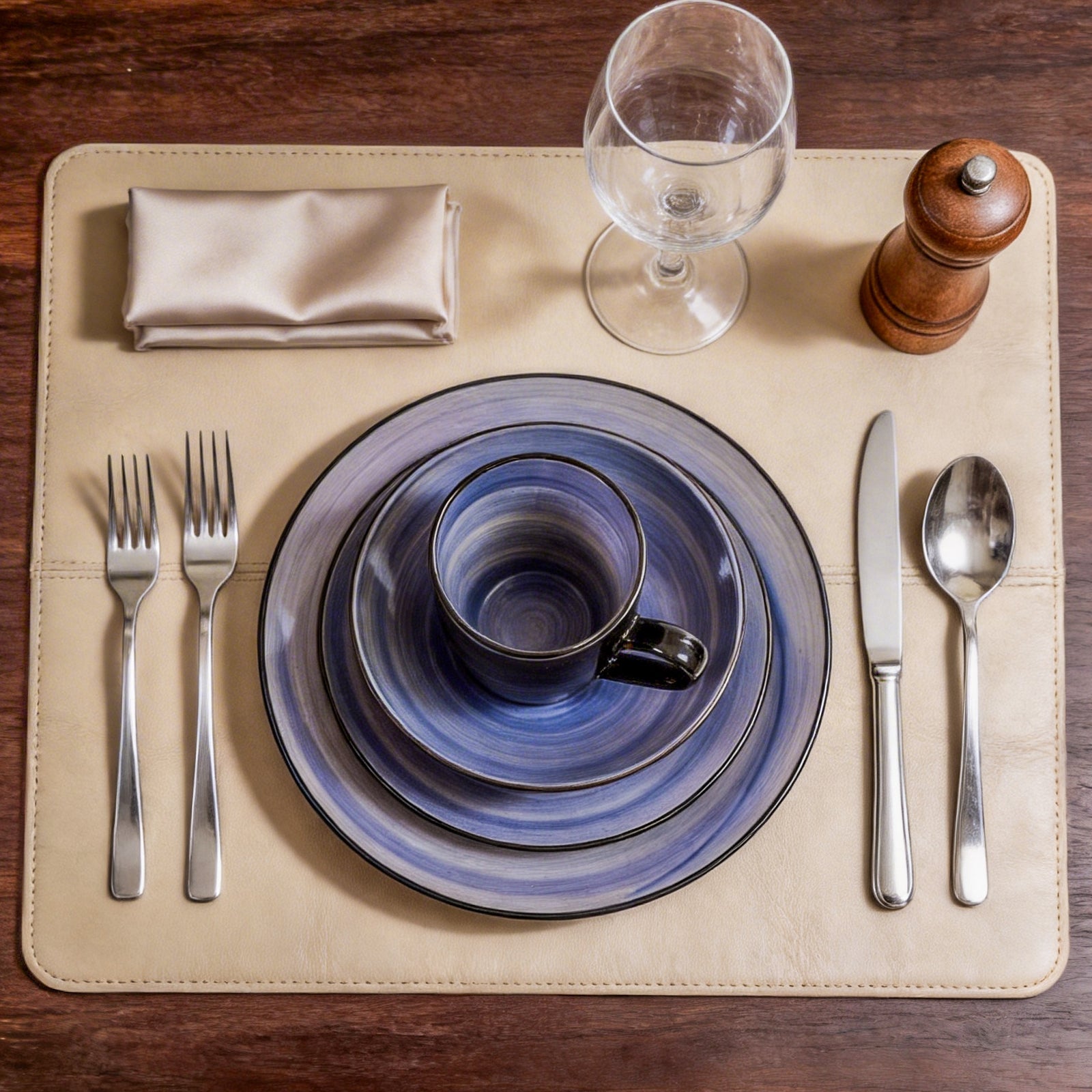
- The Plate Stack: Set down a substantial 10.5-inch stoneware dinner plate, and stack an 8-inch reactive glaze salad plate directly on top. Mixing colors here creates magnificent depth.
- The Bowl Anchor: Crown the stack with a deep-set soup or pasta bowl. This is the ultimate visual trick for creating a gorgeous 3D profile and rich casting shadows on your table setting.
- Organic Accents: Loosely fold a linen napkin over the bowl secured by a brass ring. Scatter unsymmetrical, varying-height brass candlesticks across the center line, intermingled with low-profile, wild vases filled with fresh eucalyptus and rosemary.
Expert Color Curation Guides
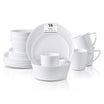
- The "Silent Luxury" Organic Edit: Layer a complete set of Seashell White with a complementary set of Cappuccino Beige or Stone Gray. By alternating these fixed tonal sets on your table, you achieve a soothing, timeless, and deeply elegant atmosphere perfect for year-round dining.
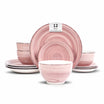
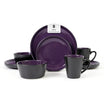
- The "Dopamine Holiday" Palette: For festive warmth, purchase a moody Java Green dinnerware set alongside a mesmerizing Swirl Pink or Capri Blue set. Mixing these complete, rich colorways across your long table inserts vibrant energy and unmatched character into Thanksgiving or Christmas feasts.

Explore Our Curated Dinnerware Collections
Expert Color Curation Guides
-
The "Silent Luxury" Organic Edit: Layer Seashell White dinner plates with Cappuccino Beige salad plates and Stone Gray accent bowls. This low-saturation palette provides a soothing, timeless, and deeply elegant atmosphere perfect for year-round dining.
- The "Dopamine Holiday" Palette: For festive warmth, anchor your table with a deep, moody Java Green dinner plate, layer it with a mesmerizing Swirl Pink or Capri Blue reactive glaze salad plate, and top it off with a warm amber accent dish. The crystalline patterns of the reactive glaze catching the ambient light will leave your guests in awe.
Pro Hosting Layout Rules (From World-Class Designers)
- The Bench Swap: To accommodate unexpected extra guests or children during major holidays, swap out traditional individual chairs on one side of your long table for a long, upholstered dining bench. It slides entirely under the table when not in use and maximizes seating flexibility.
- The Sideboard Strategy: To keep your beautifully layered table setting from getting overcrowded, position a buffet cabinet or sideboard nearby. Keep heavy serving platters, large salad bowls, and extra wine bottles on the sideboard, leaving the main table clean, spacious, and perfect for face-to-face conversations.
- Functional Utensil Progression: Arrange your flatware strictly from the outside in, based on your menu's consumption order. If a formal Emily Post rule—like placing the bread plate on the upper left—blocks the visual flow of your organic, asymmetrical dishes, break the rules! Move the bread plate to a balanced, central-left position to keep the design harmonious.
4. The HomeVSS Edge: From Our Kilns to Your Gathering

At HomeVSS, we believe that premium design should be backed by absolute transparency and structural integrity. We don't just source tableware—we craft it.
A Legacy of Fire and Tech: The Factory-to-Table (F2T) Journey
Our roots stretch back to the historic kiln regions nestled along the southern foothills of the Taihang Mountains, an area celebrated for centuries for its profound ceramic artistry. We have honored this heritage by blending ancient clay-throwing soul with state-of-the-art manufacturing.
Inside the Factory: Every single HomeVSS stoneware piece is subjected to an extreme vitrification process inside our computer-controlled kilns, firing at a blistering 2200°F (1200°C+) for dozens of hours. This melts the clay and glaze into an ultra-dense, non-porous structure that is completely impervious to oils, liquids, and bacteria—guaranteeing 100% stain-proof and odor-resistant performance for life.
Overcoming Your Online Buying Fears
📦 Peace of Mind: Our 100% Eco-Friendly, All-Paper Protection Policy
We understand that shipping a heavy, 25-kilogram dinnerware set across the country can cause anxiety over potential shipping damage. That is why we engineered our custom Three-Layer All-Paper Shockproof Packaging. Aside from the essential sealing tape, our packaging is 100% plastic-free, biodegradable, and fully recyclable.
Your set is securely cushioned by custom-engineered molded paper pulp cradles, separated by heavy-duty corrugated interlocking dividers, and sealed inside a reinforced 5-layer outer shipping carton—proving that sustainable materials can still easily pass a rigorous 1.5-meter multi-angle drop test.
In the rare event that a piece arrives damaged, our 100% Free Breakage Replacement Policy has you covered. Do not worry about return shipping or complex paperwork. Simply snap a quick photo of the broken item within 24 hours of delivery, email it to us, and we will ship a brand-new replacement out of our warehouse within 24 hours—completely free of charge.
🍴 The Science of Metal Utensil Marks
When using premium semi-matte dinnerware, you may occasionally notice faint grey or black streak marks over time. Don't panic—this is not a defect, nor is your glaze scratching or cracking.
Because our ultra-high-temperature stoneware glaze is structurally harder than the stainless steel used in everyday knives and forks, your plate essentially acts as a gentle whetstone. The plate is actually shaving microscopic metal particles off your silverware and trapping them inside the microscopic pores of the matte glaze.
To solve this beautifully, removing these marks is incredibly simple and requires no specialized tools. A quick 5-second buff with a damp cloth or sponge and a dash of common household pantry staples—such as baking soda, cream of tartar, or Bar Keepers Friend—wipes those metal micro-particles away instantly, restoring your glaze to its pristine, flawless glory.



Leave a comment
This site is protected by hCaptcha and the hCaptcha Privacy Policy and Terms of Service apply.