

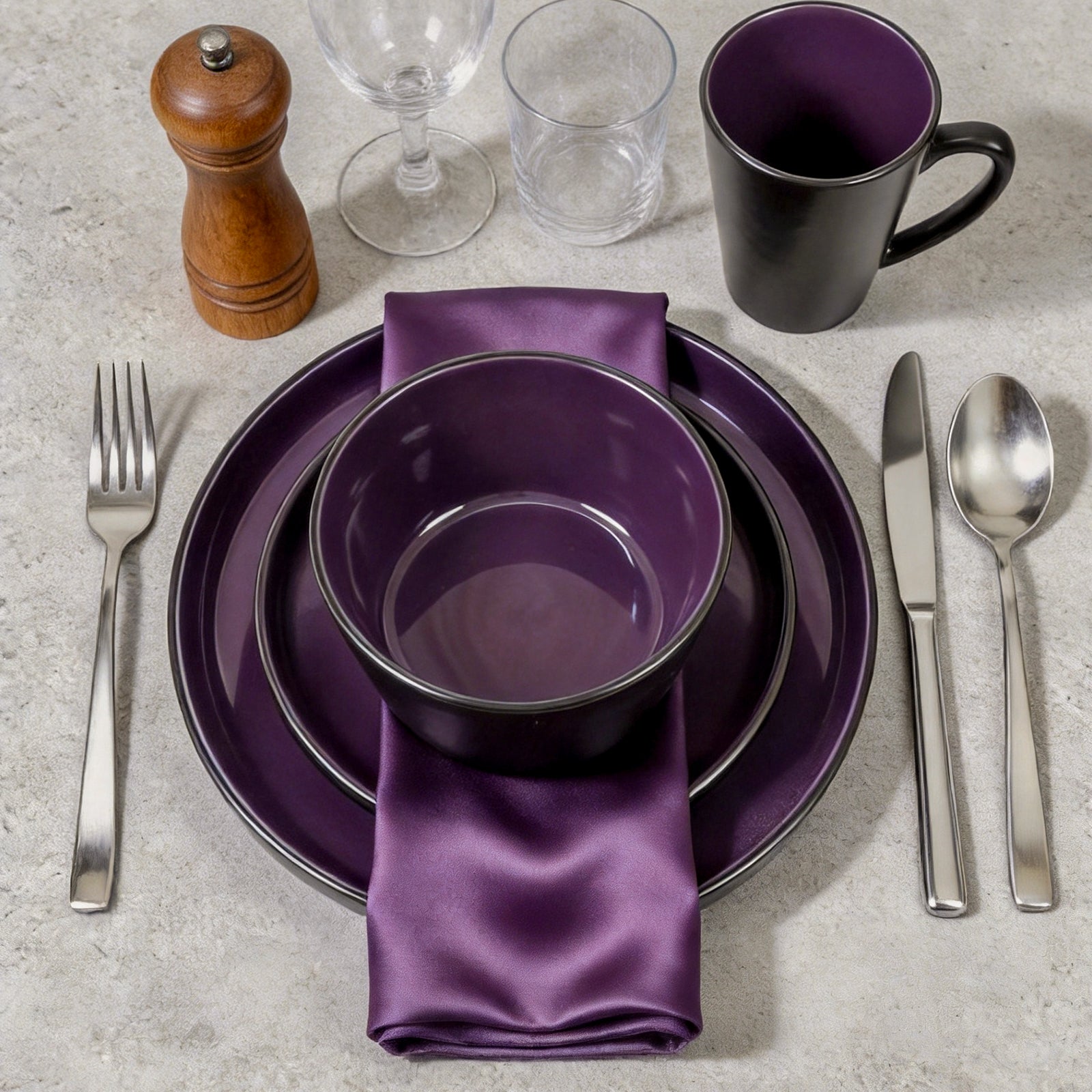
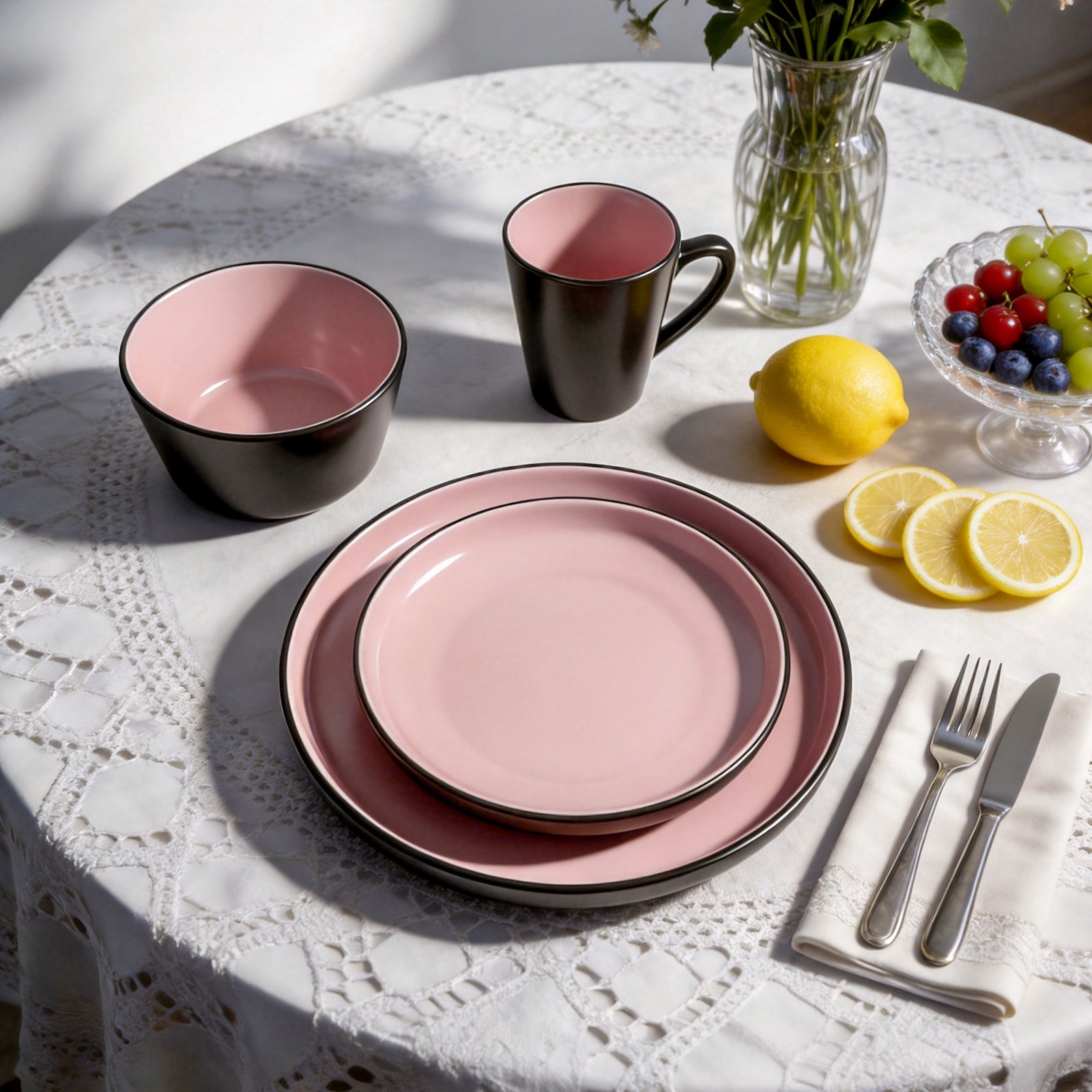
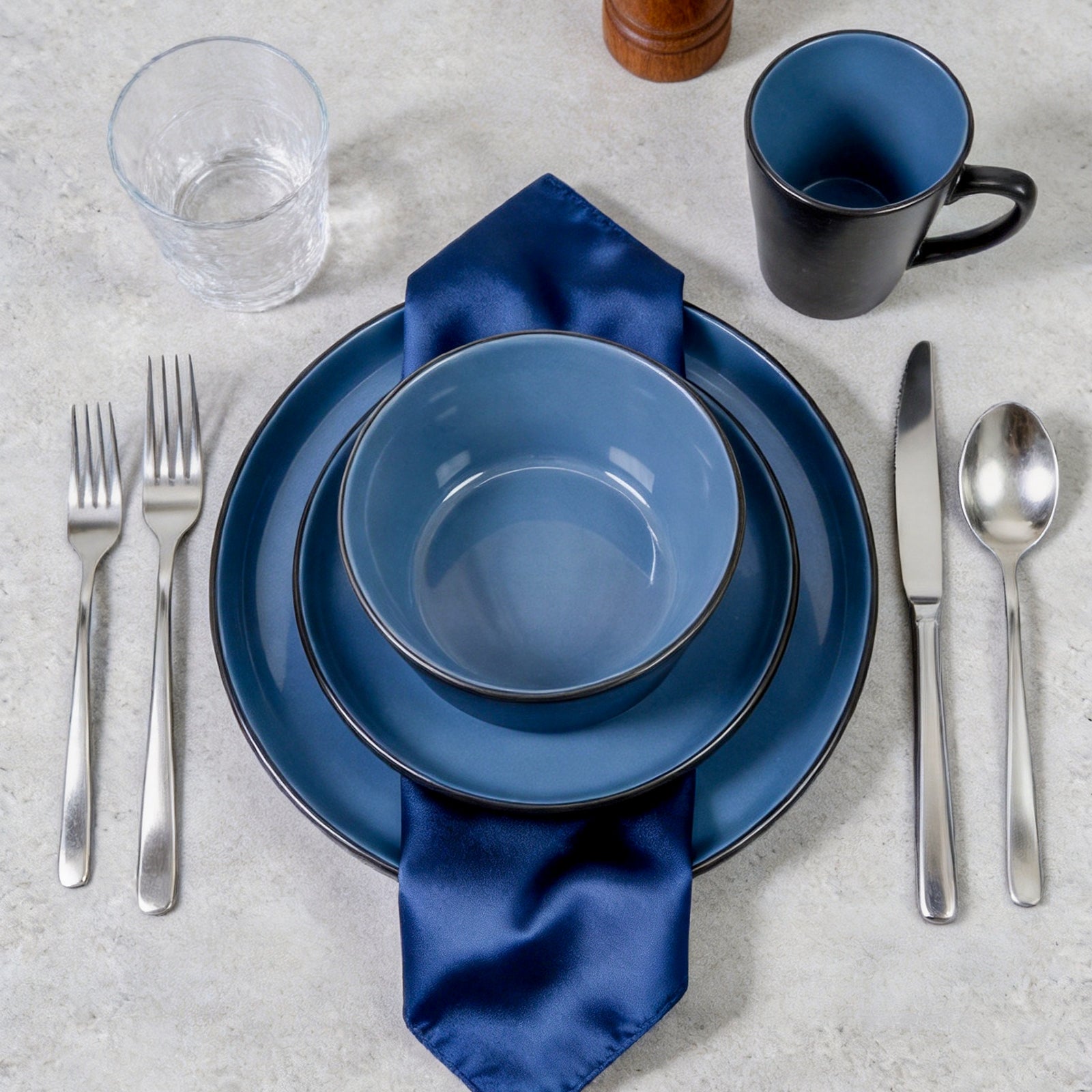

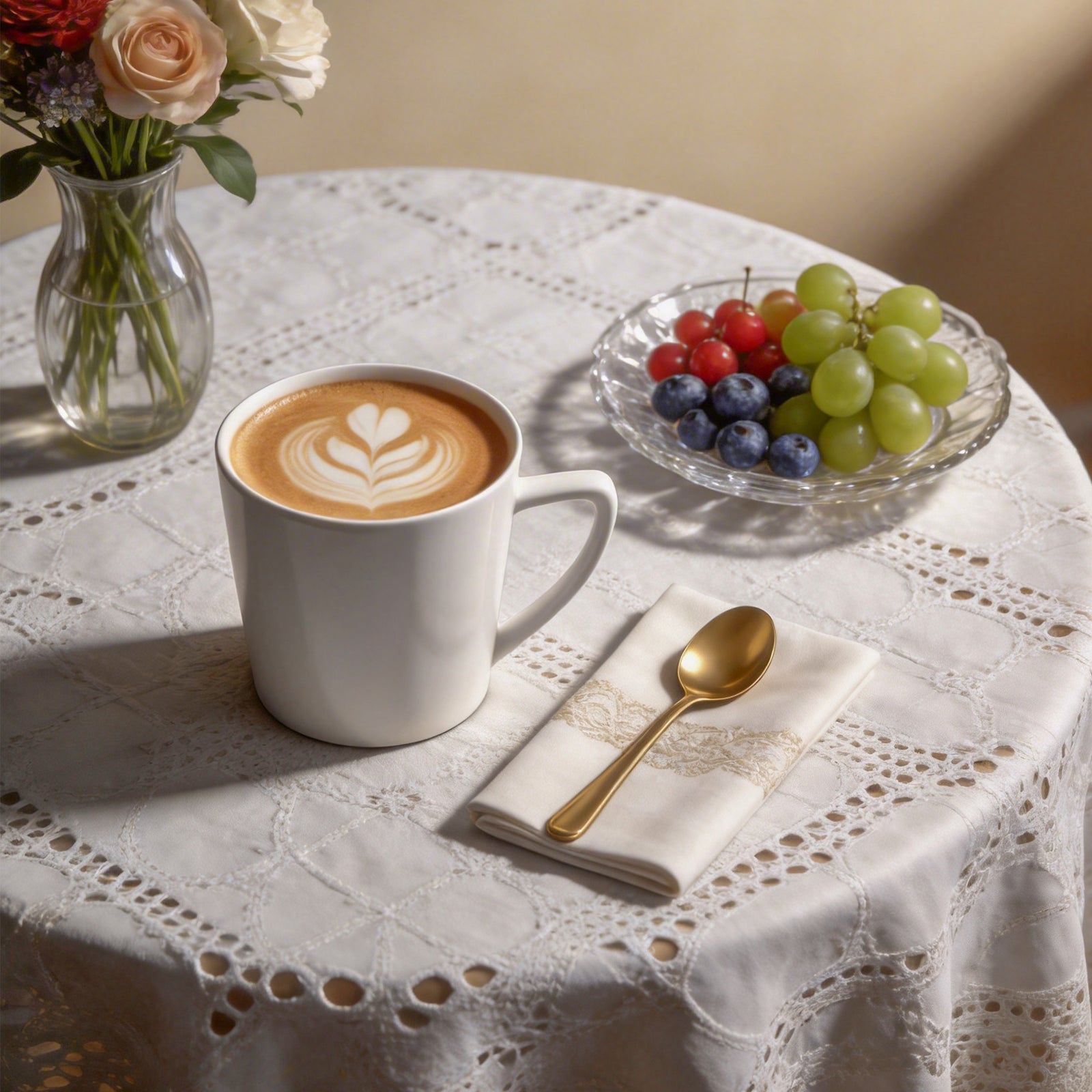



You are clearing the table on a busy Tuesday evening. A bowl slips an inch and clatters against the granite countertop with a sharp thud, while a fork scrapes across a plate piled high with hot pasta. In the middle of real, messy family dinners, the dishes we reach for every single day need to do far more than just look pretty—they have to survive daily life. When shopping for dinnerware, you will constantly see two terms grouped together: ceramic and stoneware. But when it comes down to the daily grind of microwave reheats, dishwasher cycles, and heavy cutlery, is stoneware better than ceramic for everyday use? To answer this, it helps to understand what sets stoneware apart from broader ceramic categories and how it performs on your dining table.
Understanding Material Density and Daily Durability
The Science of Vitrification
High-Heat Firing for Lasting Strength
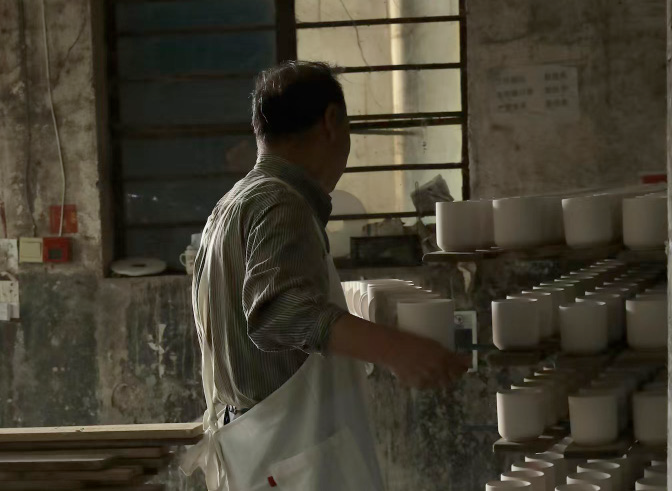
Technically, all stoneware is ceramic, but not all ceramic is stoneware. The term "ceramic" is a broad umbrella that includes delicate earthenware, fine porcelain, and stoneware. Earthenware is fired at lower temperatures, leaving a porous body that easily chips or cracks under daily strain. Stoneware, on the other hand, is crafted from dense clay and fired at extremely high temperatures—often exceeding 2,200°F. This intense heat causes the clay particles to fuse together into a non-porous, glassy structure, a process known as vitrification.
Resisting Chipping and Knife Scratches
Built for Busy Kitchen Environments
Because of this dense composition, stoneware boasts superior structural integrity. In a bustling household where plates are stacked tightly in cabinets and loaded into dishwashers twice a day, this density matters. Stoneware resists the micro-fractures that typically weaken lighter ceramic pieces over time. When knife blades scrape across the surface during dinner, high-fired stoneware holds up remarkably well against deep scratches and edge chipping, making it a rugged yet refined workhorse for breakfast, lunch, and dinner.

Heat Retention, Microwave Comfort, and Thermal Performance
Everyday Usability at the Table
Holding Heat for Warm Family Meals
Beyond physical toughness, everyday usability relies heavily on how dinnerware interacts with food temperature. Thanks to its thick walls and dense body, stoneware excels at thermal insulation. When you pour hot stew or serve fresh pasta into a stoneware bowl, the material retains heat far longer than thin ceramic alternatives. Your food stays warm throughout a relaxed family meal without requiring a rush to finish before the dish goes cold.
Navigating Microwave and Dishwasher Use
Another major advantage of stoneware involves moisture absorption. Low-grade ceramic pieces often absorb tiny amounts of water during washing. When placed in the microwave, that trapped water boils, making the dish scorching hot to the touch while leaving the food lukewarm.
Safe Handling Without Burning Your Hands
High-fired stoneware absorbs virtually zero water. As a result, heat transfers directly into your meal rather than the rim of the dish, allowing you to carry a warm plate safely from the microwave to the table with ease.
Organic Aesthetics and Long-Term Surface Resilience
Blending Functionality with Warm Style
The Tactile Charm of Rustic Farmhouse Design
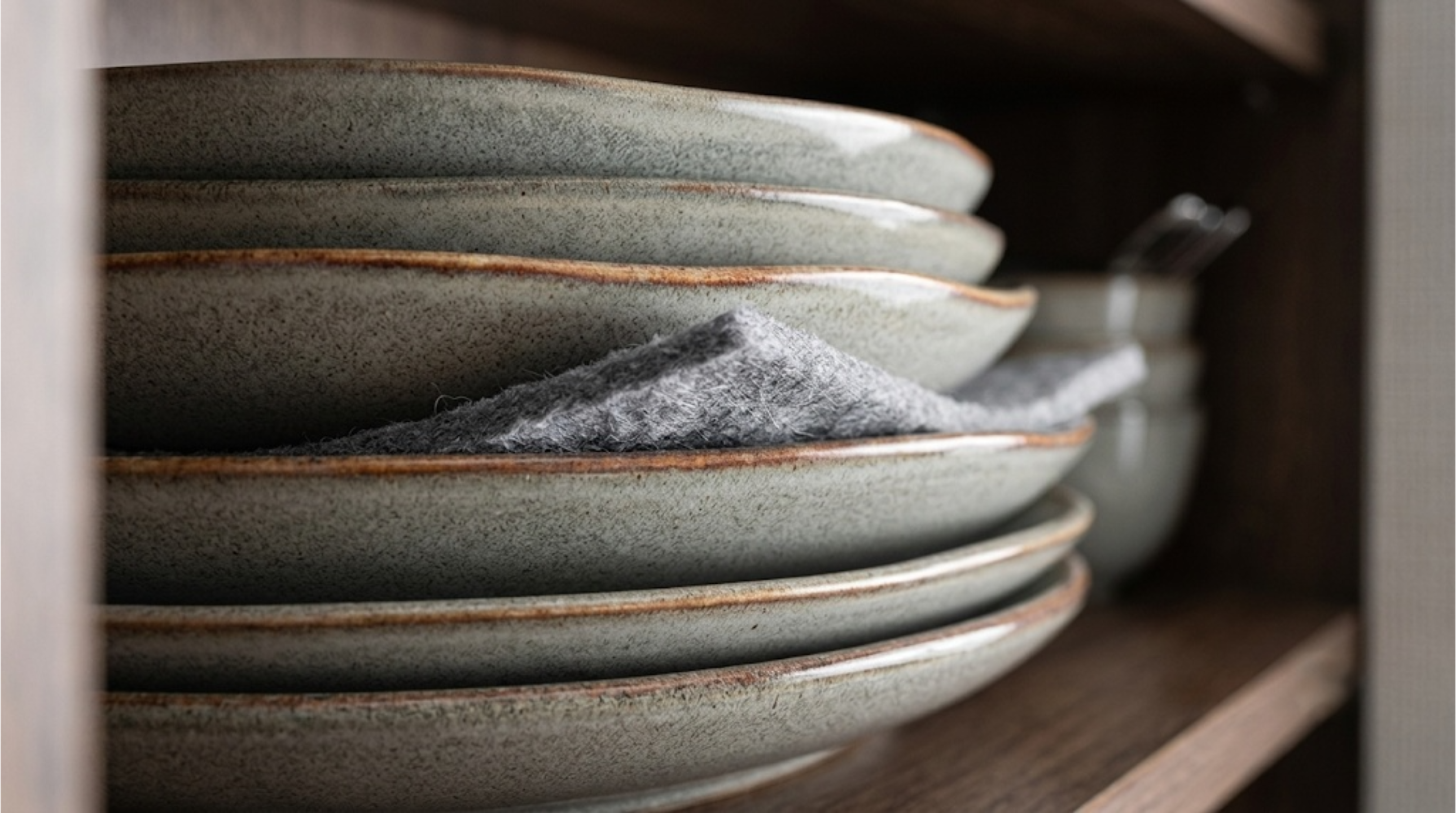
A dinnerware set shouldn't feel like fragile display china reserved for once-a-year holidays; it should bring warmth and tactile satisfaction to your everyday routine. Stoneware naturally lends itself to rich glaze finishes, subtle color variations, and grounding organic shapes. Whether coated in a satin matte glaze or finished with reactive earthy tones, stoneware offers a comforting weight and handcrafted feel that transforms simple weeknight suppers into welcoming moments.
Maintaining Glaze Resilience Over Time
Durable glazes fired directly onto dense stoneware bodies also protect against the fading, dulling, and surface crazing that often plague lighter earthenware ceramics after months of dishwasher cleaning.
Dishwasher-Safe Radiance That Lasts
The matte or semi-matte finishes common on modern stoneware develop a beautiful, gentle patina over time without losing their protective seal, ensuring your table setting looks as inviting three years down the road as it did on day one.
Choosing the Right Set for Your Household
Finding Your Daily Table Essential
Balancing Weight, Storage, and Practicality
While stoneware is slightly heavier than porcelain or thin earthenware, that substantial weight is precisely what gives it a sense of permanence and quality. When evaluating whether is stoneware better than ceramic for everyday use for your specific home, consider your family's lifestyle. If you value low-maintenance care, reliable chip resistance, and a warm, inviting aesthetic that withstands kids, guests, and constant dishwashing, stoneware is almost always the superior choice.
Investing in Lasting Tableware
Building a thoughtful kitchen starting point means selecting pieces that blend durability with effortless charm.
Elevating Your Everyday Meals
From wide-rimmed pasta bowls to sturdy dinner plates, investing in well-crafted stoneware ensures your table is always ready for life’s everyday gatherings. Explore our versatile collection of high-fired stoneware dinner sets to find the perfect balance of rustic style and daily resilience for your home.

Leave a comment
This site is protected by hCaptcha and the hCaptcha Privacy Policy and Terms of Service apply.