

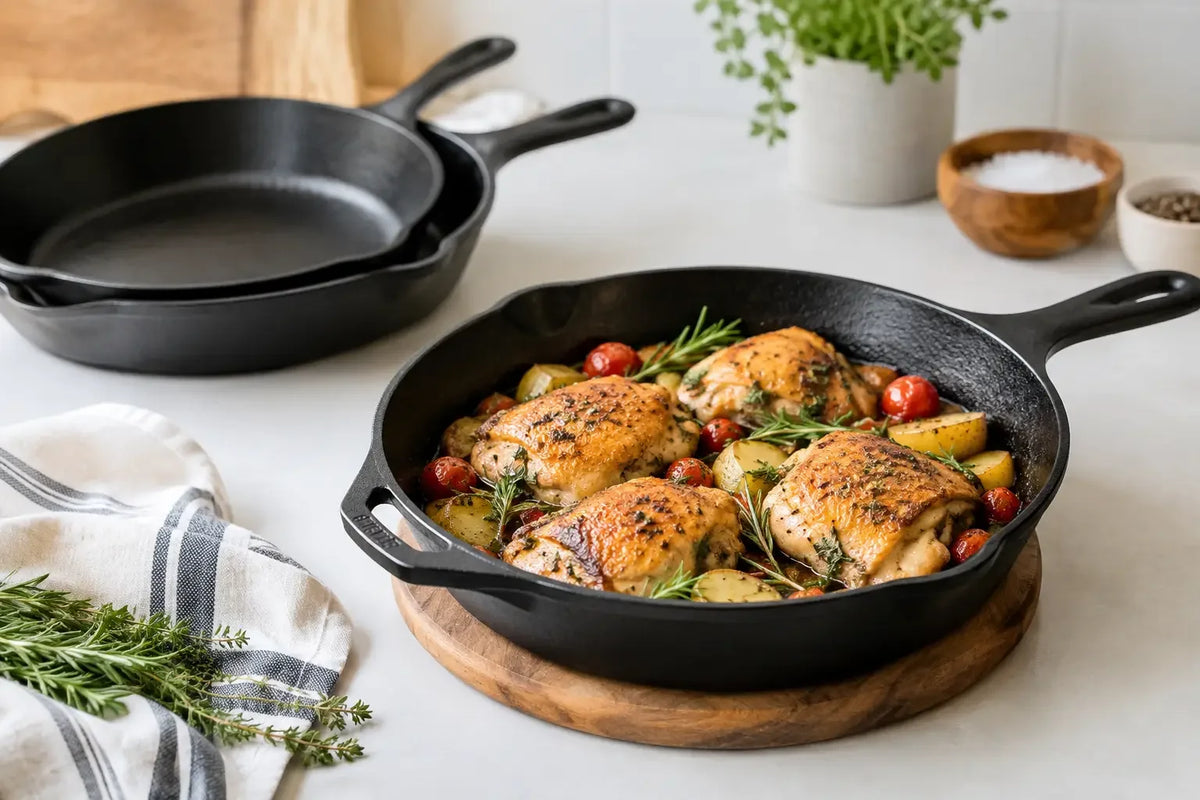
A skillet that can take a chicken thigh from pale to deeply golden, bake a bubbling fruit cobbler, and move straight to the table earns its place in a well-considered kitchen. Cast iron skillets have that rare combination of visual presence and practical purpose: they feel rooted in heritage craftsmanship, yet they are made for the weeknight meals, weekend breakfasts, and spontaneous hosting that fill a home.
Their reputation can make them seem demanding, especially to cooks accustomed to lightweight nonstick pans. In reality, cast iron is straightforward once you understand what it does best. The right pan rewards a little patience with rich browning, dependable oven performance, and a naturally improving cooking surface that becomes more personal with use.
Why Cast Iron Skillets Belong in Daily Rotation
Cast iron does not heat as quickly as thinner cookware, but it holds heat exceptionally well. That trade-off is the reason it excels at searing steaks, crisping skin-on salmon, browning cornbread edges, and keeping fajitas hot at the table. Give the pan time to preheat over medium or medium-low heat, and its heavy construction provides a stable cooking surface that does not lose momentum when cold food is added.
That same heat retention makes cast iron a natural fit for oven-to-table cooking. A skillet of baked pasta, skillet cookie, roasted vegetables, or Dutch baby arrives with a warm, generous presentation that suits casual family meals just as well as guests. It is cookware with a sense of occasion, without requiring an occasion to use it.
A well-seasoned skillet also offers a useful alternative to coated nonstick cookware. Seasoning is not a manufactured coating. It is a thin, bonded layer of oil that develops through heat and regular cooking. It improves release over time, particularly when the pan is used with a sensible amount of fat. Eggs can be successful in cast iron, but a newly seasoned pan is better introduced to forgiving foods such as cornbread, roasted potatoes, grilled cheese, or sautéed vegetables.
Choosing a Cast Iron Skillet That Fits Your Kitchen
The best skillet is not always the largest or heaviest one. Think first about how many people you usually cook for and where the pan will live. A 10-inch skillet is a versatile choice for one to two people, side dishes, eggs, and smaller bakes. A 12-inch skillet is the classic family size, with enough room for four chicken thighs or a generous batch of vegetables. It is also noticeably heavier, especially when full, so comfortable handles and a helper handle matter.
Pre-seasoned cast iron is the easiest place to begin. It arrives ready for cooking after a quick wash and thorough dry, though it will continue to improve as you use it. Bare cast iron offers a more traditional starting point but requires an initial seasoning process before regular cooking. Either can last for years when cared for properly.
Look at the small details that shape daily use. A long handle should feel balanced in your hand, while a second helper handle makes a full skillet safer to transfer. Two pour spouts are useful for draining excess fat or serving sauces. A flatter, smoother cooking surface can make delicate foods easier to manage, although every cast iron pan benefits from seasoning and proper preheating.
Consider your cooktop, too. Cast iron works on gas, electric, induction, grills, and in the oven. On glass cooktops, lift rather than slide the skillet to avoid scratching the surface. The pan's weight is part of its performance, but it deserves deliberate handling.
Seasoning Cast Iron Skillets Without the Fuss
Seasoning should not be treated as a complicated ritual. Its purpose is simple: protect the iron from moisture and create a better cooking surface. If your skillet is pre-seasoned, regular cooking with oil is often enough to maintain it. After washing, dry it completely over low heat or with a towel, then rub on a very thin film of neutral oil before storing if the surface looks dry.
For a more complete refresh, apply a small amount of high-smoke-point oil, such as grapeseed, canola, or vegetable oil, to a clean, dry pan. Buff away excess oil until the surface looks almost dry. Bake the skillet upside down in a hot oven, with a sheet pan below to catch any drips, then let it cool. Several thin layers work better than one heavy, sticky layer.
A patchy-looking finish is not necessarily a problem. Seasoning develops character as it darkens and evens out with cooking. What matters is that the pan is dry, not flaking, and increasingly easy to cook with. If rust appears, scrub the affected area, dry the skillet thoroughly, and re-season it. Cast iron is notably forgiving because it can be restored rather than discarded.
Cook With Heat, Not Maximum Heat
The most common cast iron mistake is turning the burner to high immediately. Because the metal retains so much heat, a moderate preheat is more effective and gives you more control. Set the empty skillet over medium or medium-low heat for a few minutes, then add oil once the pan is warm. When the oil moves easily across the surface and shimmers, it is ready.
For a crisp sear, pat food dry and avoid crowding the pan. Moisture is the enemy of browning, and too much food lowers the skillet's temperature. Let proteins cook undisturbed until they release naturally. If a piece of chicken or fish sticks at first, it often needs another minute before it is ready to turn.
Cast iron is especially good for recipes that benefit from a single vessel. Start sausages or mushrooms on the stovetop, add vegetables, then finish in the oven. Bake cornbread in a preheated, lightly oiled skillet for the characteristic golden crust. For a relaxed dinner party, a skillet dessert can be served warm at the center of the table with spoons nearby.
Acidic ingredients require a little judgment. A quick tomato sauce, wine pan sauce, or lemon finish is generally fine in a well-seasoned skillet. Long-simmered acidic dishes can affect newer seasoning and may pick up a faint metallic taste. For those recipes, enameled cast iron or stainless steel is often the better choice. Matching the pan to the task is what makes a kitchen feel both beautiful and functional.
Cleaning and Caring for Your Skillet
Clean cast iron soon after cooking, while it is still warm but safe to handle. Use hot water, a brush, or a nonabrasive scrubber to remove food. A small amount of mild soap is acceptable when needed, particularly for greasy residue. The old rule that soap ruins cast iron came from harsher soaps than most kitchens use now. The more significant concern is leaving the pan wet.
Dry it promptly and completely. A minute or two over low heat removes hidden moisture, especially around the handle and pour spouts. Then apply a whisper-thin layer of oil if the surface looks dull. Never soak cast iron for long periods or put it in the dishwasher, as both invite rust.
Skip the temptation to store leftovers in the skillet. Even if the seasoning is strong, prolonged contact with salty or acidic food can affect the surface and flavor. Transfer food to a storage container, clean the pan, and it will be ready for the next meal.
A Pan Worth Keeping Within Reach
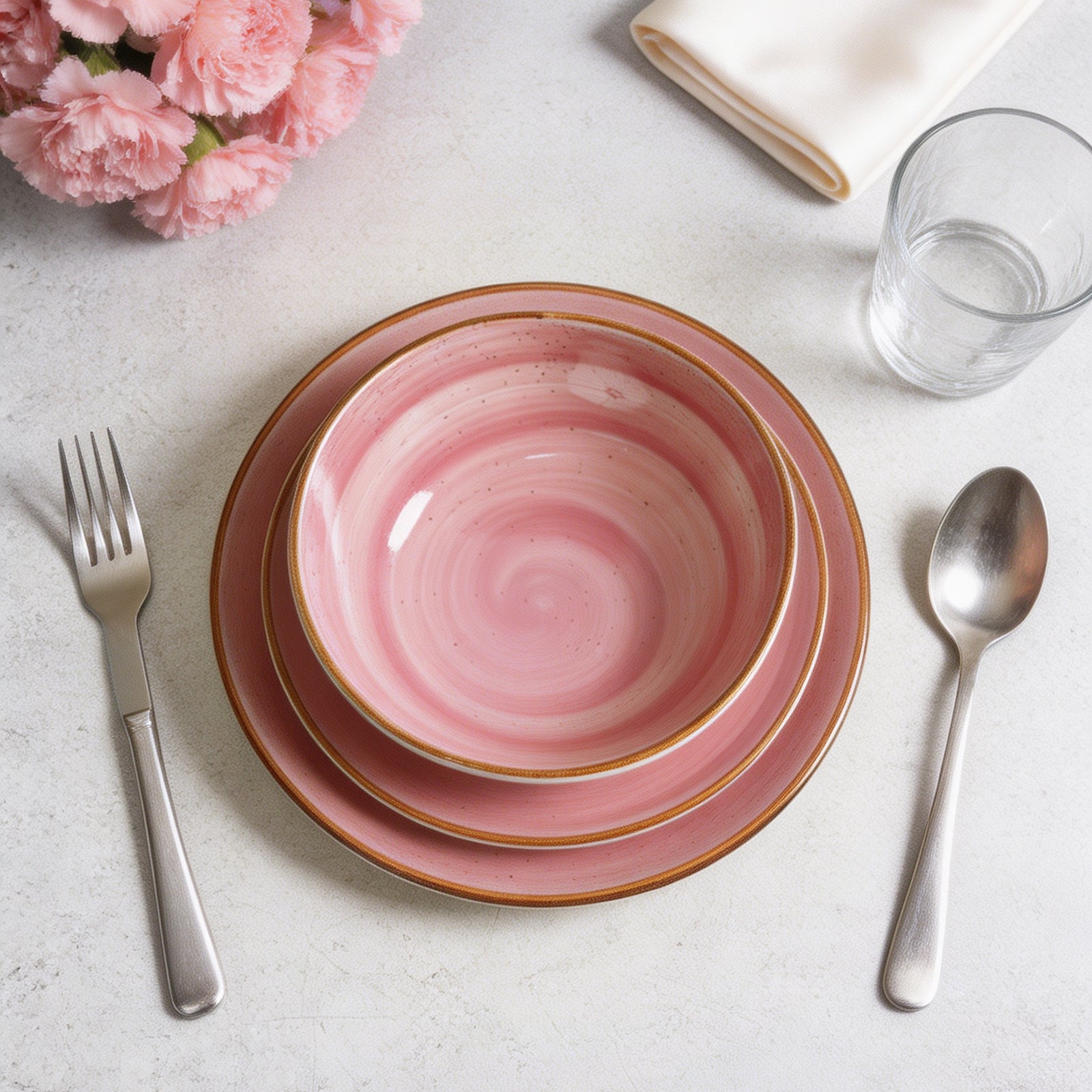
The appeal of cast iron is not perfection from the first use. It is the gradual confidence that comes from learning one reliable piece of cookware: how long it takes to warm, how it browns, and how a simple layer of seasoning grows stronger meal by meal. A thoughtfully made skillet can sit beautifully beside stoneware on an open shelf, then work hard enough for breakfast, dinner, and dessert in the same week.
For a home built around everyday meals that still feel considered, choose a size you will actually lift and use, give it time to preheat, and let the finish develop naturally. The best cast iron skillet is the one that becomes part of your cooking rhythm, ready whenever a meal deserves a little more color, warmth, and care.



Leave a comment
This site is protected by hCaptcha and the hCaptcha Privacy Policy and Terms of Service apply.