

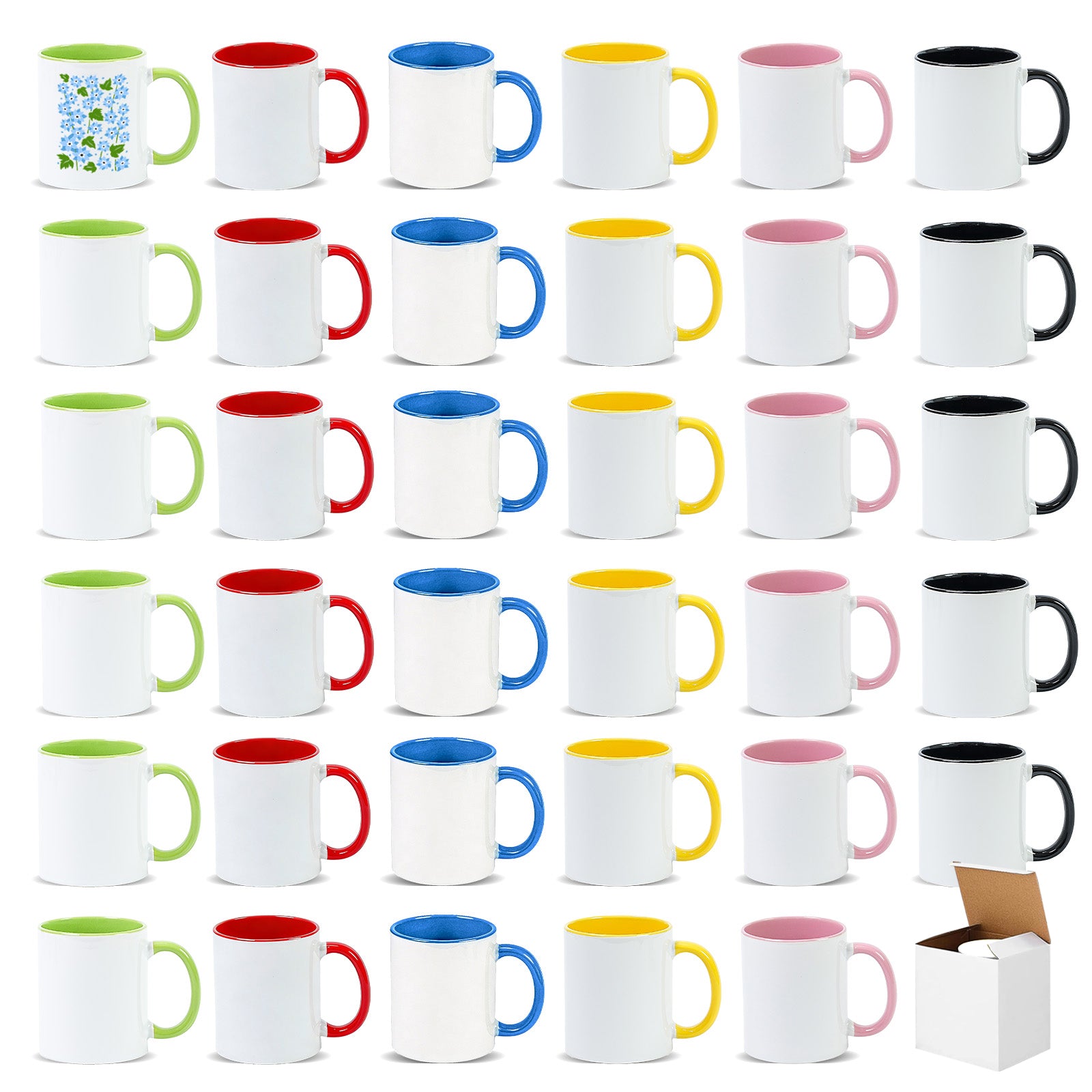

A custom mug can become a favorite morning ritual, a thoughtful graduation gift, or a polished addition to a wedding welcome box. The difference between a keepsake and a disappointing print often starts before the design is even pressed. High-quality sublimation mug blanks provide the clean white canvas, dependable coating, and comfortable form needed for artwork that looks intentional from the first reveal.
For makers, gift buyers, and small businesses, the best choice is not simply the lowest-priced white mug. It is a blank that prints evenly, feels substantial in the hand, arrives protected, and suits the way the finished piece will be used. Here is what to look for before you commit to a case.
What Makes Sublimation Mug Blanks Worth Buying
A sublimation mug blank is a ceramic mug finished with a specialized polymer coating. Under controlled heat and pressure, sublimation ink changes into a gas and bonds with that coating. The result is a vivid, permanent-looking image with no raised vinyl edge to peel away.
Raw ceramic alone is not enough. A mug may be white, glossy, and attractive but still be unsuitable for sublimation if it does not have an even, sublimation-ready coating. That coating is the working surface for your design, so its quality affects color, detail, and consistency more than many shoppers expect.
Good blanks are also made for real life. A mug should feel balanced when full, with a handle that is comfortable for different hand sizes and a rim that is pleasant to drink from. If it is being given as a gift, the weight and finish matter just as much as the artwork. A crisp design on a thin, awkward mug rarely feels premium.
Start With the Coating, Not the Color
A bright white exterior is the classic choice because it allows photographs, logos, and colorful illustrations to reproduce with greater clarity. Look closely at the surface before printing. It should be smooth and uniformly glossy, without pinholes, ripples, dust specks, or dull areas. Small flaws can show through a pale design or interrupt a large block of color.
Evenness matters around the full printable area. Inconsistent coating can lead to faded patches, uneven blacks, or colors that shift from one side of the mug to the other. This is especially noticeable with family photos, soft watercolor artwork, and branded designs that depend on a specific shade.
The interior deserves attention, too. For drinkware, health and safety are non-negotiable. Choose mugs made with food-safe materials and clear lead- and cadmium-free standards. The printable exterior coating should be appropriate for the product's intended use, while the interior surface should remain smooth, clean, and easy to care for.
A glossy finish is the most versatile option for photo-heavy designs and saturated color. Matte finishes can look refined and contemporary, but they may produce a softer visual effect and can show fingerprints more readily. The right finish depends on your artwork and your recipient, not on one being universally better.
Test Before Ordering in Volume
If you plan to make a coordinated set, sell custom mugs, or prepare favors for an event, order a small sample first. Print a design that includes deep black, light gray, skin tones, fine lettering, and a strong accent color. This single test reveals far more than a plain logo can.
Check the finished mug in daylight. Look for color consistency across the wrap, sharpness in small details, and clean transitions near the handle. A test press also helps you refine your settings before valuable inventory is on the line.
Choose a Shape That Matches the Occasion
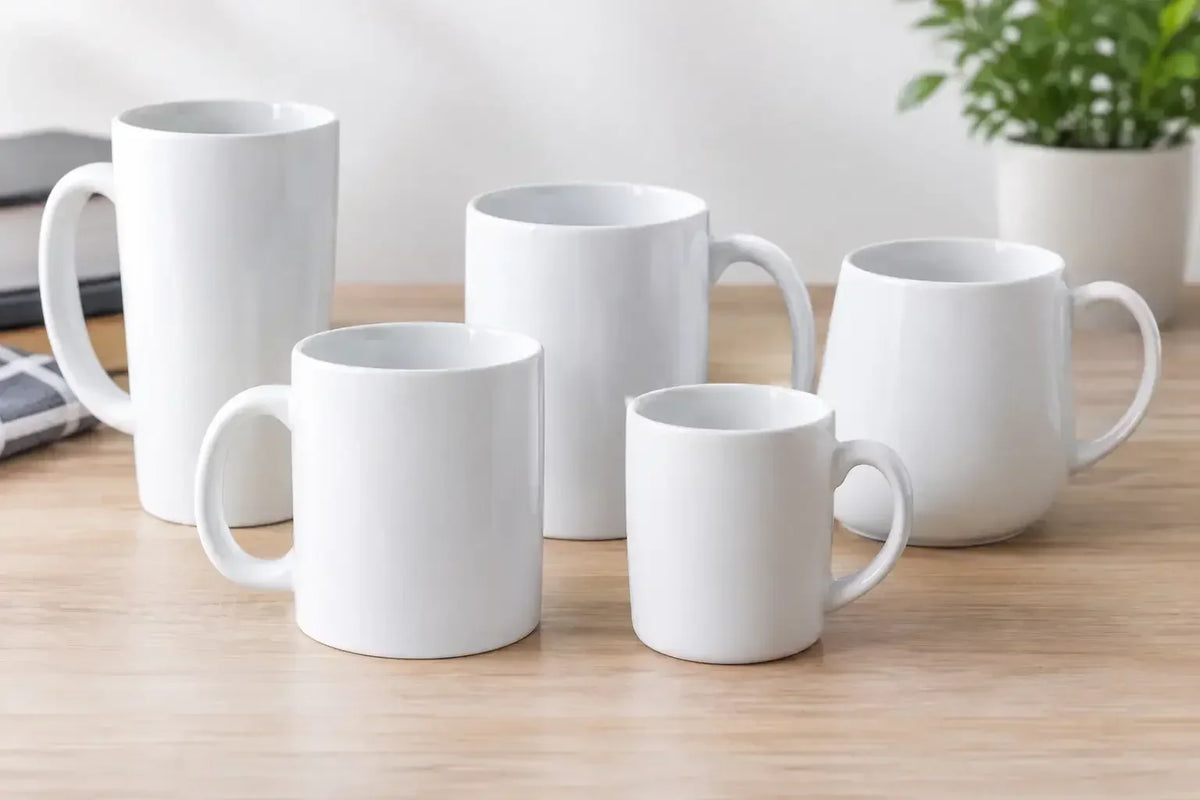
The familiar 11-ounce straight-sided mug remains a dependable everyday choice. It offers generous room for a full-wrap image, fits most common mug presses, and feels appropriate for coffee, tea, cocoa, and office desks. For a broad audience, it is often the safest starting point.
A 15-ounce mug creates more visual space and suits people who prefer a larger serving. It can feel especially generous for housewarming gifts or designs with panoramic artwork. The trade-off is that larger mugs need more cabinet room, may feel heavier when filled, and require a press or wrap sized for their diameter.
Specialty shapes can make a design feel more personal. Camp-style mugs bring a relaxed, outdoorsy character, while latte mugs offer a softer, more sculptural profile. But curved forms can complicate printing. The more dramatic the taper or contour, the more carefully you will need to manage pressure, image placement, and the usable print area.
Do not assume every mug supports edge-to-edge artwork. Most handles create a natural break in the design, and the area close to the handle may not receive the same heat as the center. Plan the layout around that reality. A centered monogram, a two-sided design, or artwork that intentionally fades before the handle often looks more considered than forcing a full wrap.
Heat Performance Determines Print Consistency
Sublimation is precise enough that a few variables can change the outcome. A mug blank needs to tolerate the temperature and pressure recommended by its manufacturer without warping, discoloring, or developing a weakened finish. Ceramic construction and coating quality work together here.
Most mug sublimation processes use temperatures in the general range of 350 to 400 degrees Fahrenheit, but the correct time, temperature, and pressure depend on the blank, ink, paper, and equipment. Follow the mug supplier's instructions first rather than copying a setting from a different product. A setting that produces rich color on one blank may leave another under-pressed or scorched.
Uneven heat commonly appears as a pale strip, muted color near an edge, or a design that looks strong in the center but weak at the sides. Before blaming the mug, check that your press is heating consistently, your paper is tightly secured, and the mug is positioned evenly. Still, a well-made blank gives you a more forgiving foundation and repeatable results from one piece to the next.
Allow each mug to cool according to the product guidance before handling it aggressively or testing the surface. Rushing this stage can leave smudges, ghosting, or marks from shifting paper. Careful production is part of the finished gift experience.
Inspect the Details That Customers Notice
Ceramic is naturally breakable, yet thoughtful construction and packaging reduce unnecessary disappointment. Before printing, inspect each blank for hairline cracks, rough rim edges, chips, unstable bases, or handle seams that feel unfinished. A flaw is easier to address before it becomes a personalized item that cannot be replaced.
Packaging matters most when mugs will be shipped or stored for an event. Individually protected blanks are easier to organize and less likely to rub against one another in transit. If you are ordering online, a clear breakage-replacement policy adds meaningful peace of mind. Fragile goods should not leave you managing a damaged delivery alone.
For a finished mug intended for everyday use, review the care guidance rather than making assumptions. Some sublimation blanks are rated for dishwasher use, while others are best hand-washed to preserve print appearance over time. Microwave compatibility also varies by material and decoration. Sharing the correct care instructions with a gift recipient is a small touch that protects the design.
Choosing Sublimation Mug Blanks for Meaningful Gifts
The right blank helps the design feel tailored to the occasion. For a wedding or anniversary, a refined white ceramic mug with a comfortable handle gives names, dates, and delicate line art a polished presentation. For a new homeowner, a larger everyday mug can carry a neighborhood illustration, a family recipe, or a warm message that feels useful long after move-in day.
For teachers, graduates, coworkers, and family members, prioritize a shape they will reach for often. Personalization is most meaningful when it becomes part of an ordinary morning, not an object saved at the back of a cabinet. Pair a well-printed mug with a thoughtful message and careful presentation, and even a simple design can feel generous.
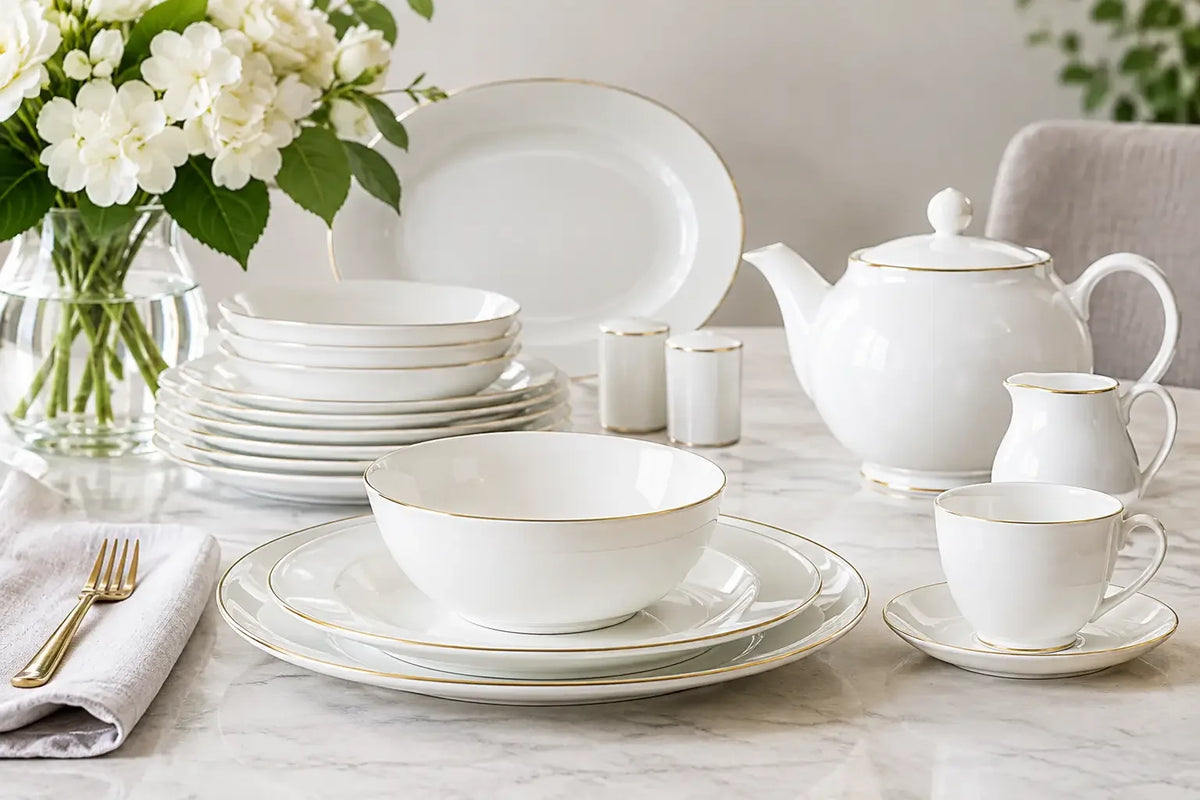
At HomeVss, the same standard applies to a custom blank as it does to everyday tableware: design should earn its place through daily durability, safe materials, and a finish worth bringing to the table. Choose the blank with care, test your artwork, and let the finished mug carry the memory it was made for.



Leave a comment
This site is protected by hCaptcha and the hCaptcha Privacy Policy and Terms of Service apply.