

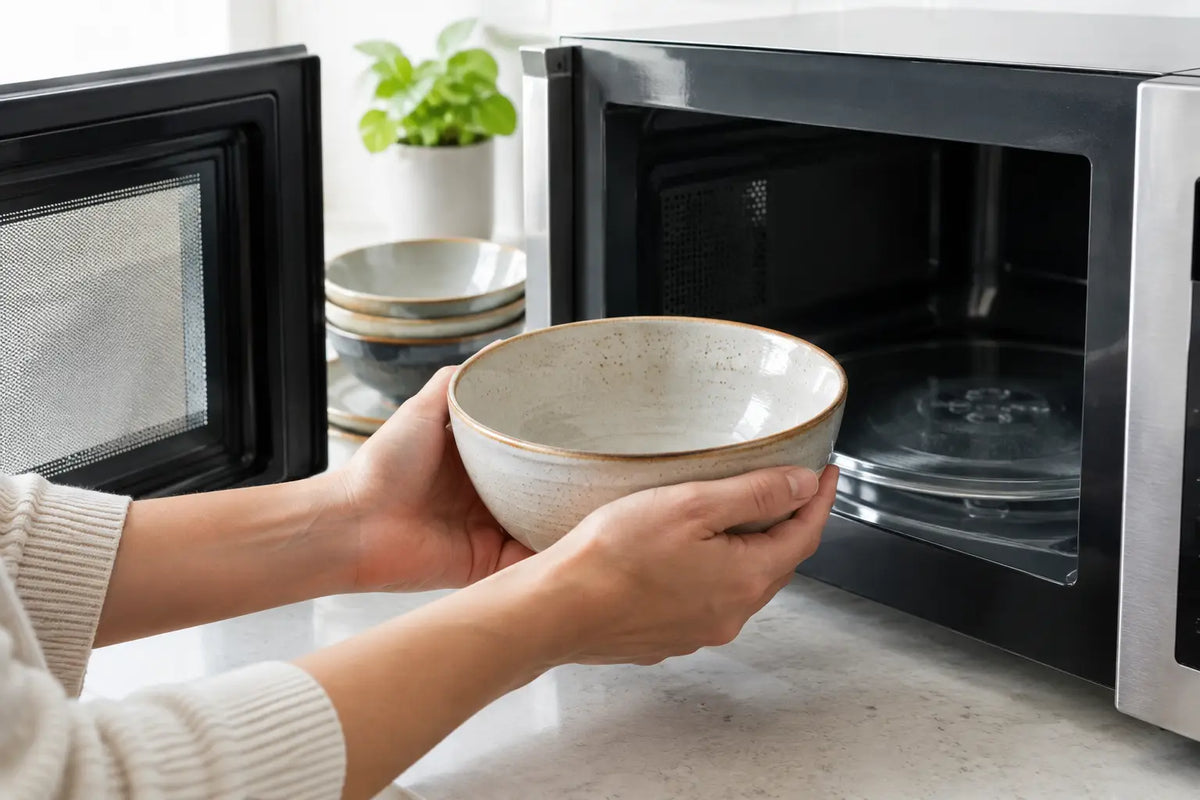
A bowl of oatmeal is a small test of everyday dinnerware. It needs to move from countertop to microwave without worry, come out warm without scorching your hands, and still look beautiful when breakfast becomes an impromptu work-from-home meeting. So, is stoneware microwave safe? Often, yes - but the answer depends on how the piece was made, glazed, and cared for.
Quality stoneware is designed for real life. Its substantial feel, softly organic shapes, and rich reactive glazes make it equally at home on a weeknight table or a table set for guests. Yet microwave safety is not a promise every ceramic piece automatically earns. A quick check before heating protects both your dinnerware and your meal.
Is Stoneware Microwave Safe for Everyday Use?
Most modern, high-fired stoneware marked microwave-safe can be used to reheat food and beverages. Stoneware is clay fired at high temperatures until it becomes dense and durable. That dense body generally handles microwave energy well, especially when paired with a properly formulated glaze.
The key phrase is “marked microwave-safe.” The maker’s care guidance should always be the final word. A piece may look like stoneware but have a decorative finish, metallic detail, crackle glaze, or construction method that makes microwave use unsuitable. Older, handmade, or unmarked pieces deserve extra caution because their materials and firing standards may be unknown.
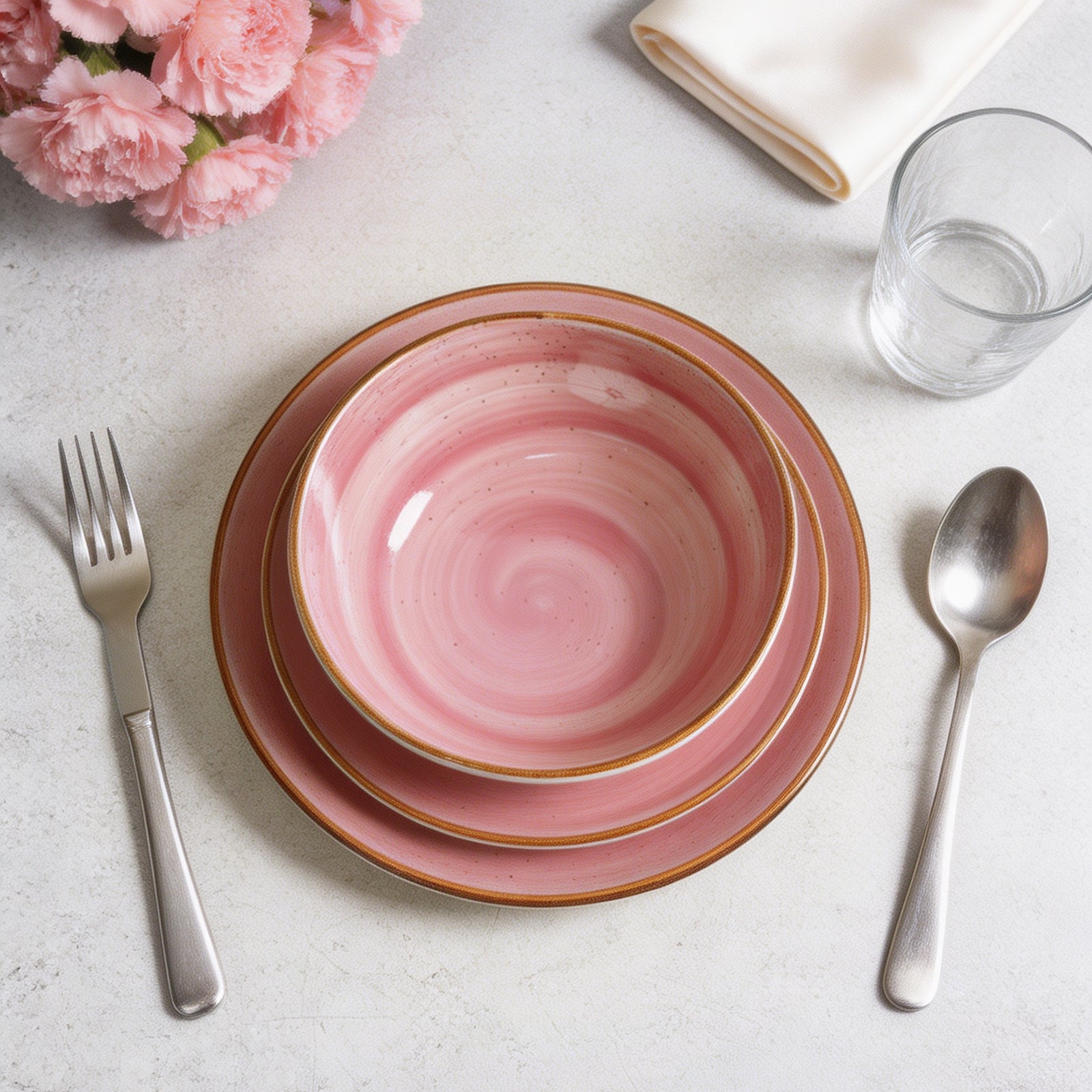
For daily meals, choose dinnerware made for the job. High-fired stoneware offers a reassuring balance of lasting performance and elevated design, allowing a favorite bowl or mug to be part of the routine rather than something saved for special occasions.
What Makes Stoneware Safe in the Microwave?
A microwave heats water molecules in food. The dish itself should remain relatively stable while the food warms, though any ceramic can become hot from contact with hot food. Well-made stoneware has low enough porosity and consistent construction to tolerate ordinary reheating when it is used as directed.
High firing creates a stronger ceramic body
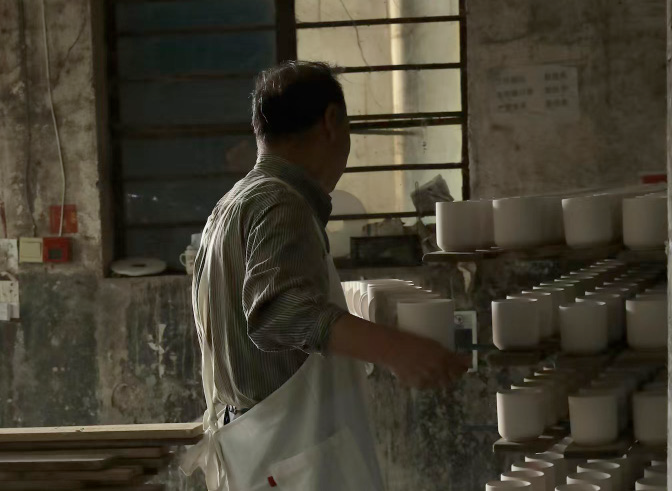
Firing temperature matters because it changes the clay body. During high firing, the material becomes more vitrified - less absorbent, denser, and better suited to repeated kitchen use. This does not mean a plate is indestructible, but it does help it stand up to the temperature changes involved in everyday serving and reheating.
HomeVss stoneware is fired at temperatures up to 1200°C, a process that supports the durable, dependable quality families expect from everyday tableware. The goal is simple: dinnerware should bring luxury order to the table without creating extra rules around a leftover lunch.
A food-safe glaze should be stable and properly applied
Glaze gives stoneware its smooth surface, color, and character. On reactive-glaze pieces, the subtle variations that make each plate or bowl feel one of a kind are created during firing. A properly fired glaze should remain stable in normal microwave use.
Look for clear product information about material safety. Dinnerware described as 100% lead and cadmium-free offers meaningful reassurance, particularly for pieces used often by families. Health and safety are non-negotiable, and a beautiful finish should never come at the expense of confidence at the table.
Shape and condition affect performance
Even microwave-safe stoneware needs to be in good condition. Deep cracks, chips, crazing that has developed into visible damage, or loose decorative elements can weaken a piece. Retire damaged dinnerware from heating use, even if it still seems serviceable for holding dry snacks or displaying fruit.
A thick, handmade-looking rim is not automatically a concern. What matters is whether the piece is structurally sound and whether its manufacturer approves microwave use. Quality stoneware can have a handcrafted presence while still meeting the demands of a busy kitchen.
When You Should Not Microwave Stoneware
Do not microwave a piece simply because it is ceramic. Several details call for a pause. Stoneware with gold, silver, platinum, or other metallic trim should stay out of the microwave. Metal can spark and may permanently damage both the finish and the appliance.
Avoid microwaving stoneware that is unmarked and vintage, particularly if you do not know its origin or intended use. Decorative ceramics, souvenir mugs, and handmade pieces made by an unknown maker may not have been formulated or tested for microwave heating. The same applies to pieces with heavily raised decals, luster finishes, or glued-on embellishments.
Also skip the microwave if the dinnerware is already damaged. A hairline crack can become a complete break under heat, and a chipped edge is uncomfortable and unsafe to use around food. Replacing a compromised piece is the better choice. For online orders, thoughtful protective packaging and a responsive breakage-replacement policy make it easier to choose dinnerware you will actually use, not protect in a cabinet.
The Biggest Risk Is Thermal Shock
The more common issue with stoneware is not the microwave itself. It is thermal shock: a sudden, dramatic change in temperature that stresses the ceramic body. Think of moving a cold bowl from the refrigerator directly into a long, high-power heating cycle, or taking a hot dish from the microwave and placing it on a wet, cold countertop.
Stoneware is durable, but it is not immune to abrupt shifts. Give refrigerated leftovers a few minutes on the counter when practical. Heat in shorter intervals, stirring food between rounds so the microwave does not need to run at full power for an extended stretch. Use a dry towel, trivet, or wood surface under a hot dish rather than a cold or wet surface.
Never use stoneware for stovetop cooking unless the manufacturer specifically says it is safe for that purpose. Microwave-safe does not mean burner-safe. Direct flame and concentrated heat are very different from the gentler heating environment inside a microwave.
A Simple Microwave Test for Unmarked Pieces
If a piece has no microwave-safe marking, the safest choice is not to use it in the microwave. If you still need more information about a modern, unmarked piece, a cautious water test can show whether it absorbs a concerning amount of microwave energy.
Place the empty stoneware item in the microwave with a microwave-safe glass measuring cup filled with water. Heat for one minute, then carefully check both. The water should be hot. The stoneware may be warm, but if it is extremely hot while the water is only mildly warm, do not continue using that piece in the microwave.
This is a screening method, not a certification. It cannot tell you whether a glaze contains unsafe materials, whether a hidden crack will spread, or whether the piece will tolerate repeated heating. Manufacturer care instructions remain more reliable than any at-home test.
How to Heat Stoneware With Confidence
Use medium power or shorter heating intervals for soups, sauces, and dense leftovers. This gives heat time to distribute and helps prevent one area of the bowl from becoming much hotter than another. Cover food with a microwave-safe lid or splatter guard rather than an airtight seal, and leave room for steam to escape.
Remember that the food may heat unevenly. Stir soups and sauces, rotate a plate halfway through if your microwave does not have a turntable, and let the dish stand briefly after heating. Use oven mitts or a towel when lifting it out. Stoneware retains heat well, which is wonderful for keeping a meal warmer at the table but can make handles, rims, and bases surprisingly hot.
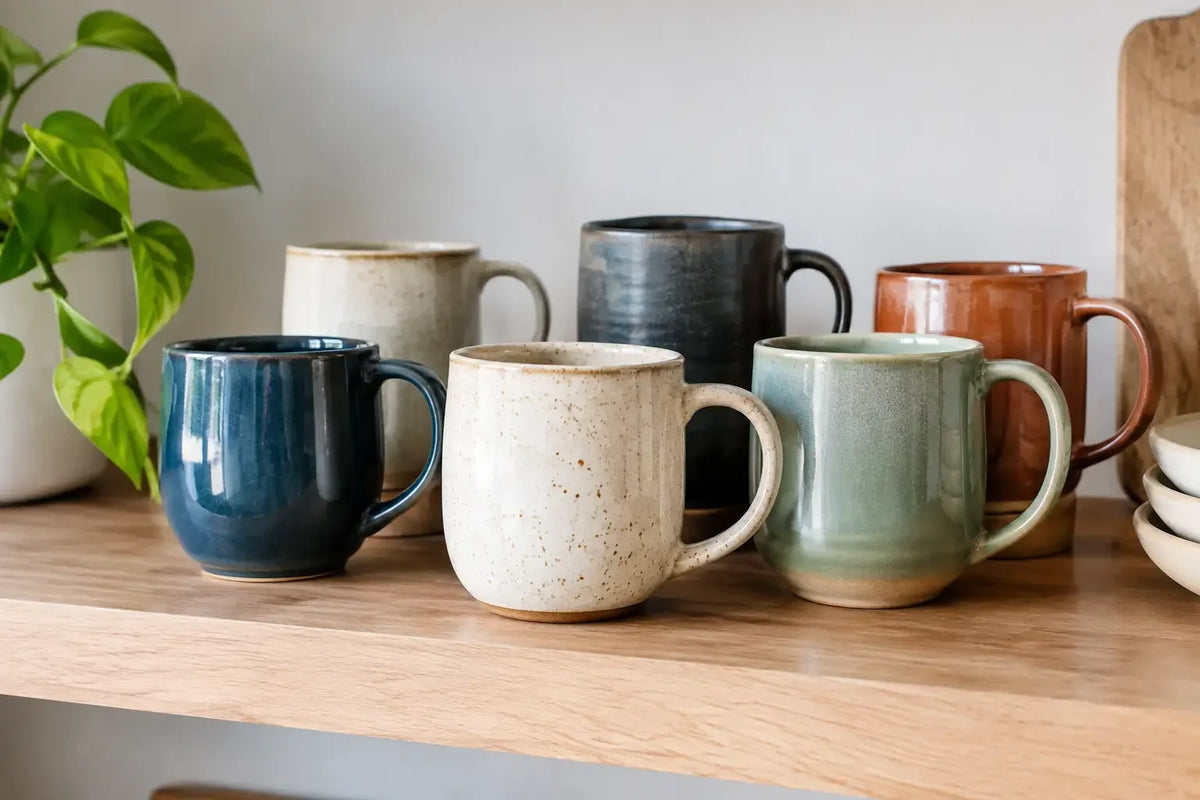
For a ceramic mug, avoid heating it while empty. Add your beverage first, and do not repeatedly reheat a nearly empty cup. If a mug develops a crack, leaks, or becomes unusually hot in one spot, stop using it for microwave heating.
Choosing Stoneware You Will Feel Good Using
The right dinnerware makes everyday rituals feel considered: pasta served in a generous bowl, a late-night cup of tea, leftovers plated well enough to feel like a real meal. Look for explicit microwave-safe guidance, high-fired construction, and clear lead- and cadmium-free standards. Then choose a shape and glaze you will be happy to reach for every day.
Stoneware does not need to be treated as precious to feel special. With the right care and a maker that states its safety standards plainly, it can carry you from a quick breakfast to a gathered dinner with the same quiet confidence.


Leave a comment
This site is protected by hCaptcha and the hCaptcha Privacy Policy and Terms of Service apply.