


A table set for Tuesday night says more about how a home is lived in than a table saved for a holiday. The most compelling tableware trends are moving away from precious, display-only pieces and toward dinnerware that makes everyday meals feel considered: beautiful enough for guests, dependable enough for a busy family, and easy to reach for without hesitation.
That shift is changing what people expect from plates, bowls, mugs, and serving pieces. Color still matters. So does craftsmanship. But the strongest designs also answer practical questions: Will it hold up to frequent use? Does it work with the pieces already in the cabinet? Is it made with materials a household can trust?
Tableware Trends Center on Real Life
The modern table is less formal than it once was, but it is not less intentional. A casual pasta night, a weekend brunch, or takeout shared with friends can all feel more inviting when the setting has texture, proportion, and a point of view.
Rather than buying one matching set for every occasion, many households are building flexible collections. A core set of dinner plates and bowls provides consistency, while accent plates, mugs, and serving pieces bring in personality. This approach creates visual interest without making the table feel overstyled.
The best version of this trend is practical, not performative. A mixed table should still stack comfortably, fit the dishwasher when appropriate, and make serving easier. It should feel collected over time, even when it is chosen with a clear plan.
Warm neutrals are replacing stark uniformity
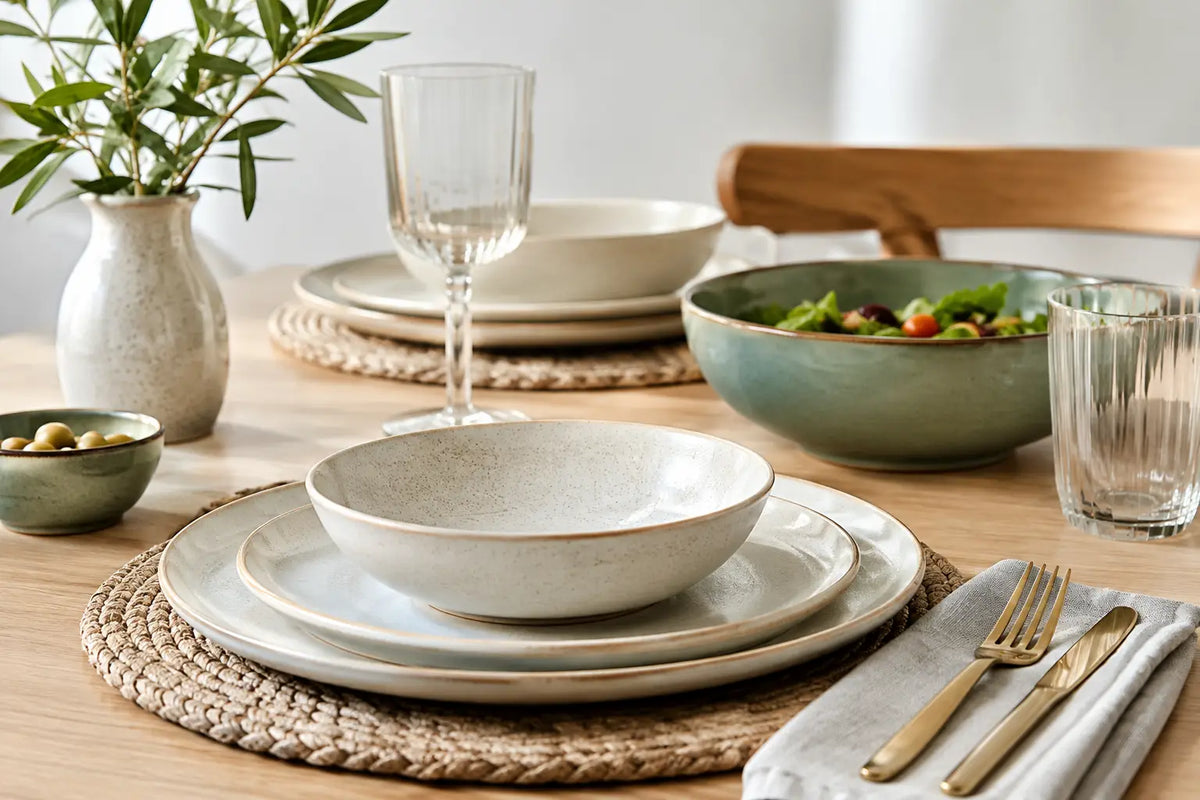
White dinnerware remains a classic for good reason. It is versatile, polished, and especially useful for wedding registries or first homes. Yet warm whites, cream, sand, clay, mushroom, and soft gray are gaining ground because they create a gentler backdrop for food and interiors alike.
These shades work especially well in open-plan homes where the dining table is part of the larger living space. They complement wood, linen, natural stone, and brushed metal without demanding a perfectly coordinated room. A warm neutral set can also make daily meals feel less clinical than bright, uniform white.
The trade-off is that undertones matter. A creamy stoneware set may look harmonious with warm cabinetry but feel slightly off beside cool marble or bright-white servingware. When building a collection, compare pieces in the light where you actually eat, not only under store photography or kitchen lighting.
Reactive glazes bring individuality to the table
Perfectly identical place settings are no longer the only definition of a polished table. Reactive-glaze ceramics are valued for their variation in color, movement, and finish. The chemistry of the firing process creates subtle differences from piece to piece, so no two plates are exactly alike.
That character is the point. A deep blue bowl may shift from ink to mineral gray at the rim. A cream plate may carry a soft speckle or a slightly darker edge. These details give everyday dinnerware the presence of artisan-made pieces while remaining suited to regular use.
Variation does require a change in expectations. Reactive glaze is not the right choice for someone who wants every place setting to match with absolute precision. It is ideal for those who appreciate a table with depth and a handcrafted feel. The key is choosing a well-made collection where variation looks intentional rather than inconsistent.
Material Matters in Current Tableware Trends
A beautiful finish cannot compensate for a material that does not suit the household. Current tableware trends favor considered materials because shoppers are becoming more informed about durability, weight, safety, and long-term value.
Stoneware for everyday warmth and resilience
Stoneware remains a natural choice for daily dining. Its substantial feel gives meals a sense of occasion, whether the menu is homemade soup or a quick weeknight grain bowl. High-fired stoneware is especially appealing because it can offer the durability needed for frequent use while maintaining a handcrafted look.
The weight is part of its appeal, but it is worth considering. Larger stoneware dinner plates can feel wonderfully grounded on the table, yet they may be less comfortable for children, older relatives, or anyone with limited storage space. Look for pieces with balanced proportions: substantial enough to feel premium, but not so heavy that setting the table becomes a chore.
For daily-use ceramics, safety should be clear rather than assumed. Dinnerware should be 100% lead and cadmium-free, with health and safety treated as non-negotiable. A high firing temperature, including ceramics fired up to 1200°C, supports a durable finish designed for the rhythms of real kitchens.
Fine bone china for a lighter, elevated setting
Fine bone china is having a quieter return, particularly among hosts who want refinement without old-fashioned formality. It is lighter in the hand than stoneware and can bring a crisp, graceful look to dinners, celebrations, and gift-worthy occasions.
This is not a choice between “special” and “everyday” so much as a choice of atmosphere. Bone china suits a more tailored table, especially when paired with linen napkins, simple glassware, and restrained centerpieces. Stoneware often feels warmer and more relaxed. Many homes benefit from both: stoneware for daily meals and bone china for gatherings where a lighter, more formal setting feels right.
Layered Tables Feel Personal, Not Perfect
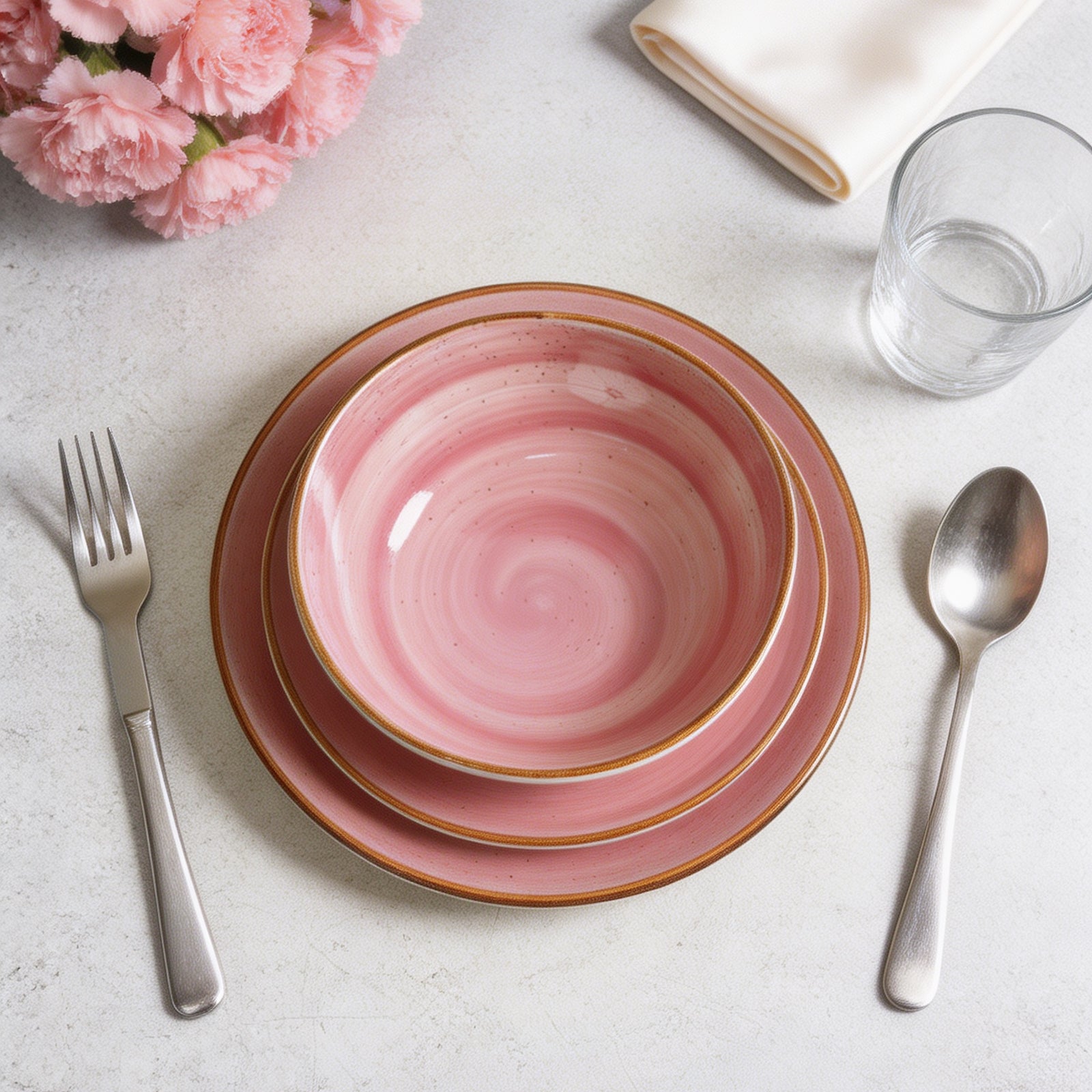
Layering is one of the most useful trends because it can be adapted to nearly any style. Start with a dependable dinner plate, add a salad plate or shallow bowl, and introduce contrast through color, rim detail, or texture. The result does not need to be busy. Even a tonal pairing of cream and oatmeal can make a table feel finished.
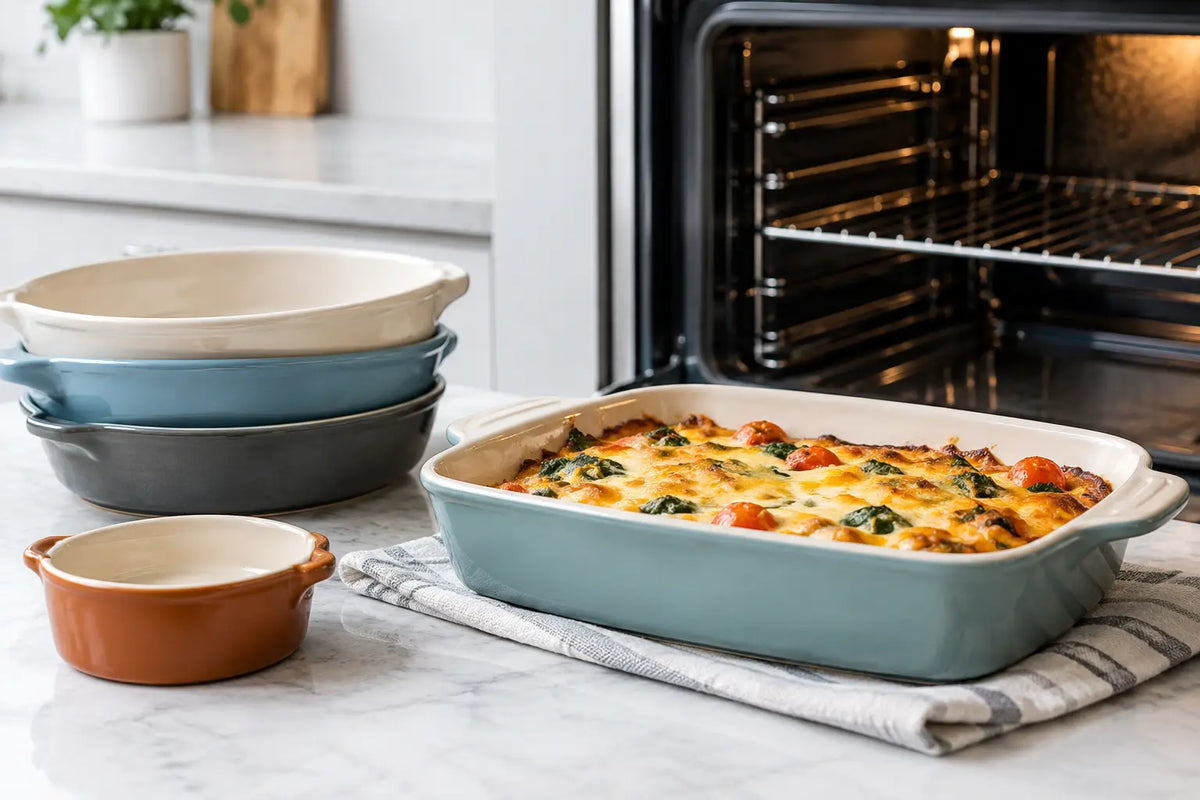
Serving pieces deserve the same attention. A generous pasta bowl, an oval platter, or a small casserole dish can move naturally from kitchen to table and reduce the need for extra transfers. This is particularly helpful when hosting, because food arrives looking cared for without creating more cleanup.
The most successful layered settings leave room for the meal. If the food is colorful, choose quieter dinnerware with a softly textured finish. If the menu is simple, a darker glaze or expressive plate can provide the visual interest. Tables are more welcoming when the design supports the experience rather than competing with it.
Mugs are becoming part of the setting
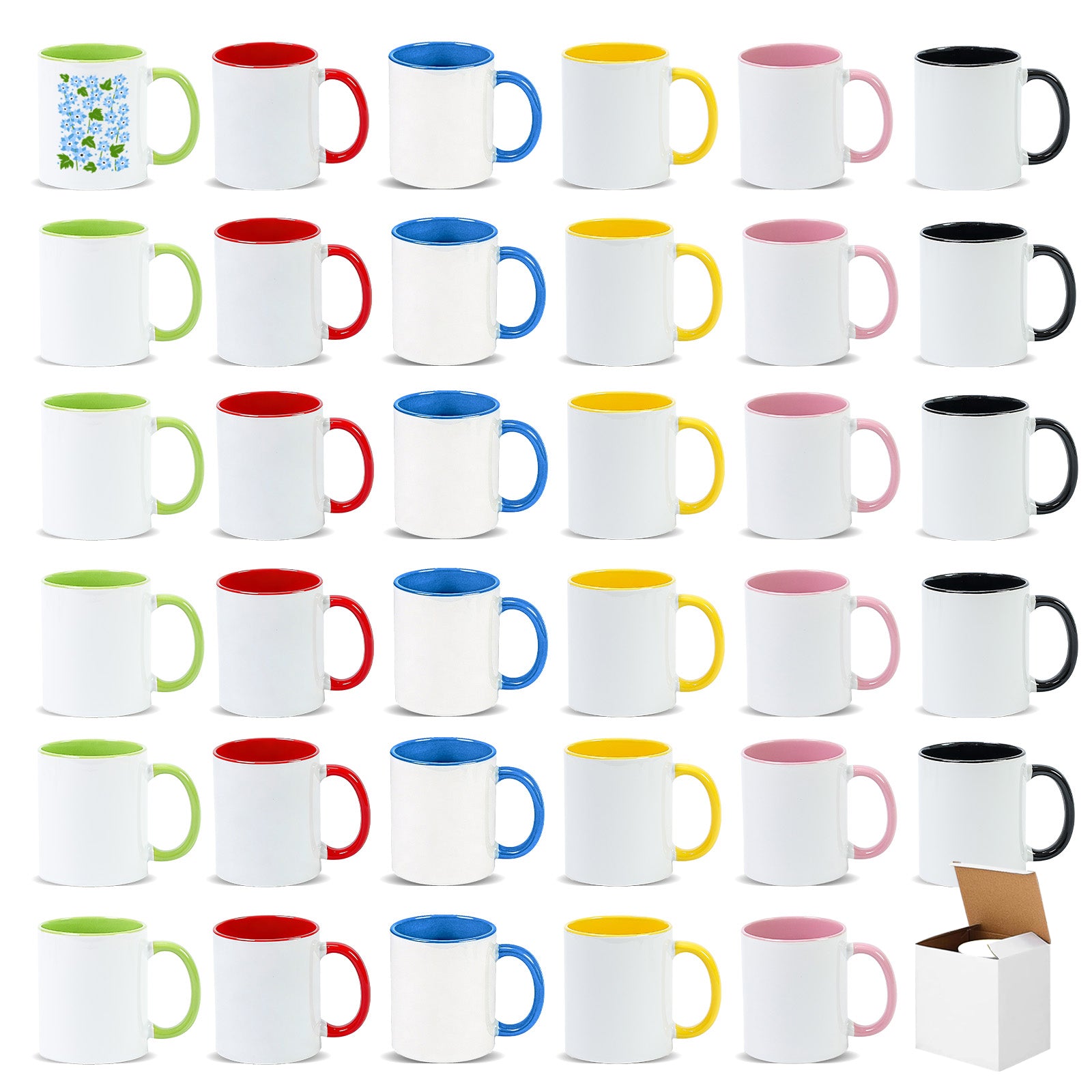
Coffee and tea moments are receiving more design attention, and rightly so. A favorite mug is often used more frequently than any plate in the cabinet. The current preference is for comfortable handles, balanced weight, and finishes that feel good in the hand.
Espresso cups, oversized mugs, and coordinated drinkware also make thoughtful gifts because they are useful immediately. A pair of mugs can mark a housewarming, graduation, or anniversary without requiring the recipient to have a fully formed registry. For a more complete gift, combine drinkware with a small serving bowl or dessert plates in a complementary glaze.
How to Choose Trends That Will Last
The easiest way to avoid trend fatigue is to let function lead. Choose a core collection in a color and material you will want to use several times a week. Then bring in more expressive pieces through mugs, salad plates, serving bowls, or a limited set of accent dishes.
Before committing, think through your actual routine. Families may prioritize chip resistance, generous bowl sizes, and pieces that can manage repeat use. Frequent hosts may value serving pieces and a flexible palette that works across seasons. Renters with limited storage might prefer a concise set that can cover breakfast, lunch, dinner, and company without filling every shelf.
Also consider the realities of buying ceramic dinnerware online. Secure packaging and a clear breakage-replacement policy matter because even carefully made pieces can be damaged in transit. HomeVss offers free replacement immediately for breakage, helping customers choose distinctive ceramics with greater confidence.
A well-set table does not require a formal occasion or a cabinet full of untouched dishes. Choose pieces that feel good to use, meet clear safety standards, and bring a little more care to the meals already happening at home.


Leave a comment
This site is protected by hCaptcha and the hCaptcha Privacy Policy and Terms of Service apply.