

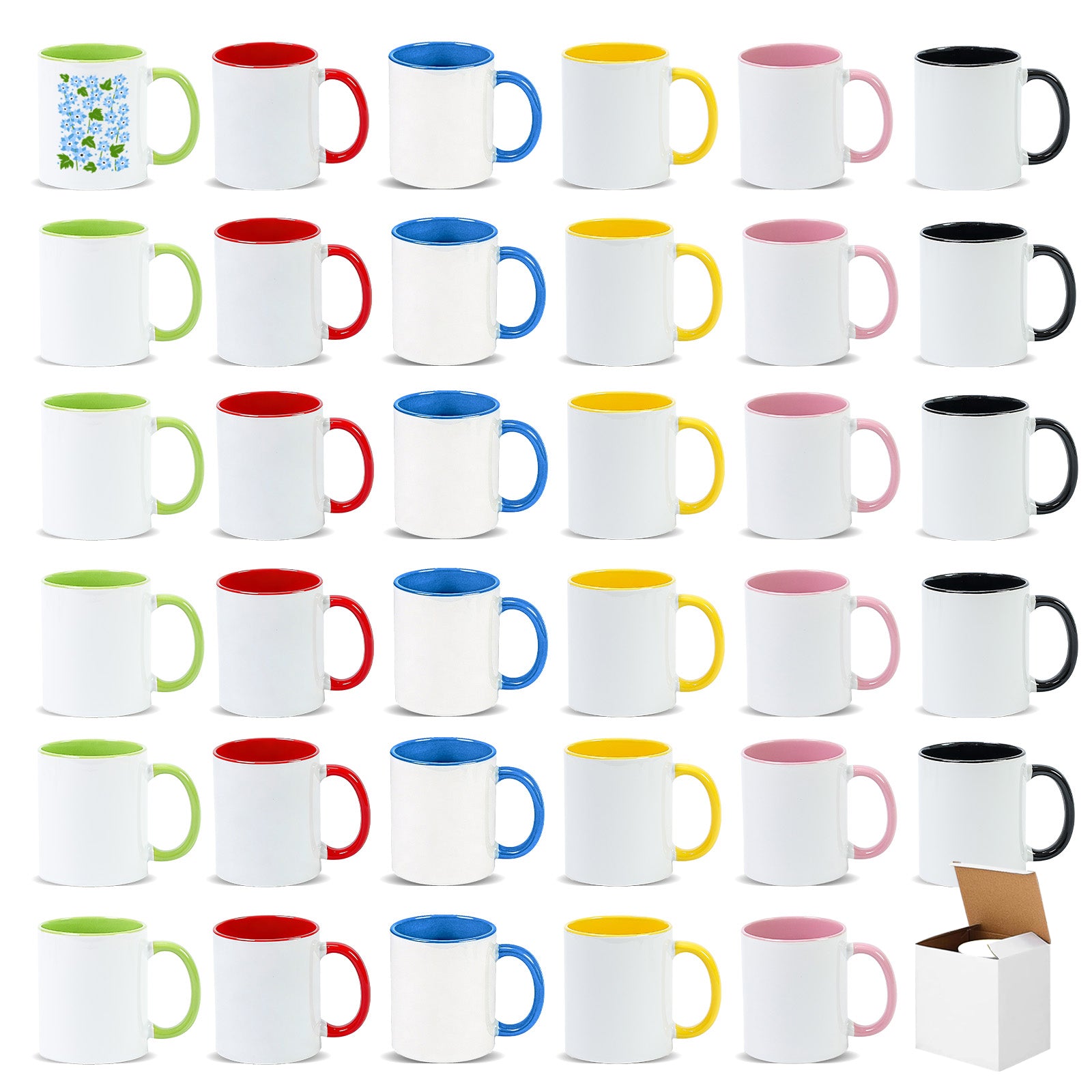

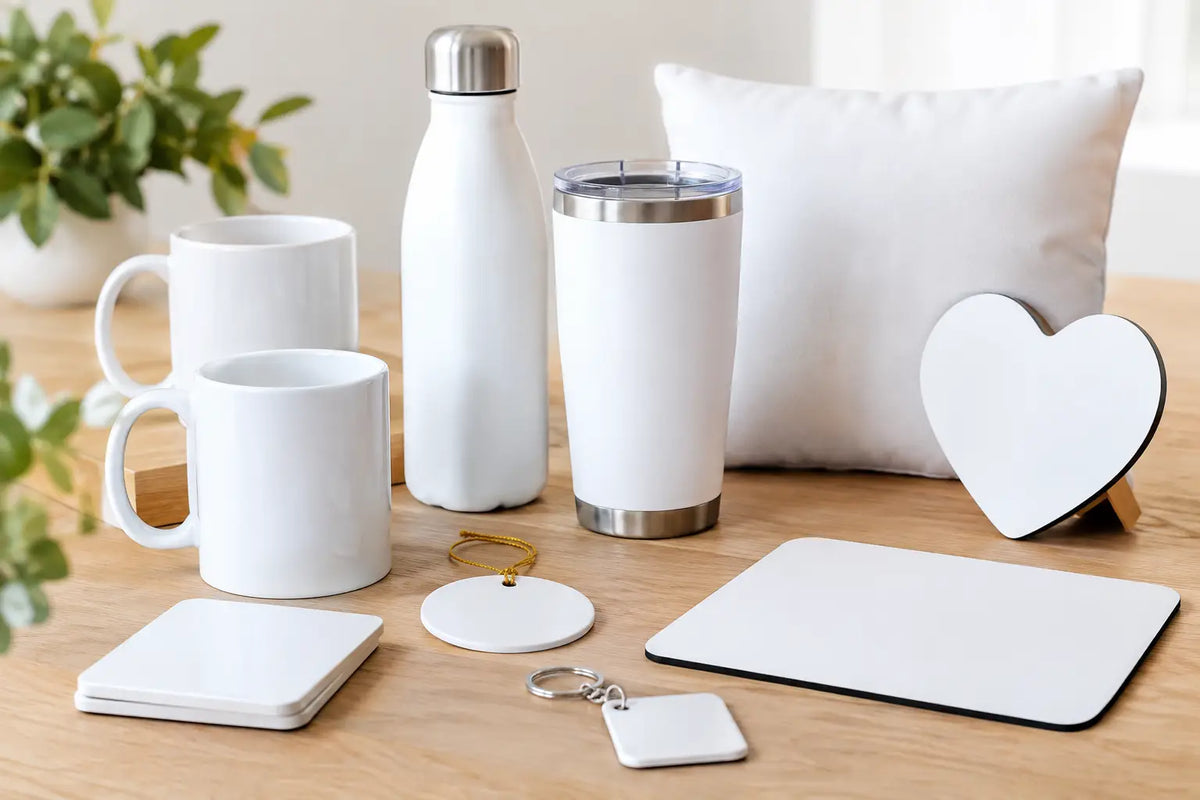
A personalized mug can become a wedding favor, a team thank-you, a housewarming gift, or the piece a customer reaches for every morning. That is why buying sublimation blanks wholesale is about more than getting a lower unit price. The blank needs to arrive intact, accept rich color cleanly, and feel substantial enough to give with confidence.
For custom gift businesses, makers, event planners, and hospitality buyers, the best wholesale choice balances finish, durability, order flexibility, and presentation. A low-cost blank that produces muted artwork or arrives with chipped rims is rarely a bargain. Choosing well from the start protects your time, your margins, and the experience your customer receives.
What Makes a Sublimation Blank Worth Buying Wholesale?
A sublimation blank is designed to receive a printed image through heat and pressure. On ceramic drinkware, that usually means a smooth, specially prepared surface that allows the transferred design to appear crisp, saturated, and permanent-looking. The coating matters as much as the artwork. If it is uneven, too thin, or poorly applied, colors may look faded, details can soften, and the finished piece may not have the polished appearance buyers expect.
Ceramic is especially compelling for custom drinkware because it brings lasting weight and warmth to the gift. A well-made mug feels more intentional than a lightweight promotional item. It belongs in a morning coffee routine, on an office desk, or on a table set for a celebratory brunch.
Wholesale buying also gives you consistency. When every mug in a corporate order has a comparable shape, handle, finish, and printable area, production becomes easier to manage. That consistency matters for a 12-piece bridal party set and even more for a 100-piece client appreciation order.
Start With the Product’s Intended Use
The right blank depends on what the finished item is meant to do. A standard ceramic mug is a natural choice for employee gifts, school fundraisers, family-photo presents, and everyday online shop inventory. Its familiar silhouette makes it broadly useful, and customers immediately understand how it fits into daily life.
For more elevated projects, consider the setting before choosing the shape. A refined coffee mug or espresso cup can suit a real estate closing gift, a café collaboration, or a curated holiday set. A larger vessel may work better for bold artwork, while a smaller piece can feel more tailored for monograms, logos, or simple line illustrations.
It depends on your design, too. Full-wrap landscapes and colorful patterns need a generous printable surface. A delicate name, date, or small emblem may look best on a clean, classic shape with plenty of open space around the artwork. Do not choose by capacity alone. Think about how the handle, curve of the vessel, and usable print area will frame the final design.
Choose a Finish That Supports the Artwork
Most sublimation projects call for a bright white, glossy surface because it gives colors a clear, vibrant foundation. This is often the most dependable option for photography, detailed illustrations, and brand-heavy designs. White backgrounds preserve contrast, making pale colors and small text easier to read.
A matte finish can look contemporary and understated, but it may not be the best match for every transfer process or artwork style. Before committing to a large order, test the same artwork on the exact finish you plan to sell. The color result should guide the decision, not a product image alone.
Ceramic pieces with reactive glazes are admired for their one-of-a-kind movement and depth, but they are generally better suited to finished tableware than sublimation work. Their variation is part of their charm, yet a consistent white printable area is usually the wiser choice when precise color reproduction is the priority.
Quality Checks Before You Place a Wholesale Order
Ordering a sample is the simplest way to prevent expensive surprises. Test it using your usual printer, paper, ink, press, and settings. A blank can perform differently depending on your equipment, so a successful transfer in another workshop does not guarantee the same result in yours.
As you inspect a sample, look beyond the image itself. Check whether the coating appears even from rim to base. Examine the mug under bright light for pinholes, rough spots, small cracks, or discoloration. Hold it by the handle. It should feel secure and comfortable, not thin or awkwardly balanced.
Pay close attention to the rim and base. These are the areas most likely to reveal flaws or suffer damage during shipping. A well-finished rim improves the drinking experience, while a stable base helps the piece sit properly on a desk or dining table.
For drinkware intended for regular use, material safety should be non-negotiable. Ask clear questions about food-contact suitability and seek products made to appropriate safety standards. HomeVss approaches ceramic quality with the same expectation: health and safety are non-negotiable, including a commitment to 100% lead- and cadmium-free tableware. That level of clarity is worth looking for whenever you source items customers will use every day.
Order Quantities, Pricing, and Storage
Wholesale pricing often improves at higher quantities, but the lowest per-piece cost is not always the smartest purchase. A large order can tie up cash, fill valuable storage space, and leave you with outdated inventory if your designs or seasons change. Start with a quantity that matches your sales pace and upcoming events.
A practical approach is to keep dependable core blanks on hand while ordering specialty shapes closer to the occasion. Standard mugs may earn a permanent place in your inventory because they work throughout the year. Seasonal gift sets, event-specific items, or unusual drinkware shapes are better purchased with a clear sales plan.
When comparing suppliers, calculate the landed cost rather than focusing only on the listed wholesale price. Include shipping, packaging, potential breakage, sample costs, and the time required to inspect incoming inventory. A slightly higher-priced blank with better protective packaging and fewer defects can be more profitable than a cheaper option with unpredictable losses.
Storage conditions matter as well. Keep ceramic blanks clean, dry, and protected from dust before pressing. Store cartons on stable shelving rather than directly on a concrete floor, and avoid stacking them beyond the packaging recommendation. Even a small amount of preventable damage affects the consistency of your finished orders.
Packaging Is Part of the Product
Custom drinkware has two journeys: from the supplier to your workspace, then from your business to the recipient. Protective packaging needs to support both. Individual foam sleeves, fitted inserts, and sturdy cartons reduce the risk of chipped handles and cracked bodies. They also make it easier to organize inventory and fulfill orders efficiently.
For gifts, presentation deserves equal consideration. A beautifully printed mug can lose some of its impact when it arrives in a plain, oversized box with little protection. Consider whether the blank’s dimensions work with the gift boxes, inserts, ribbon, or care cards you plan to use. Building packaging into your cost from the beginning creates a more finished customer experience.
If you are ordering for an event, allow extra pieces for production tests and unexpected losses. Ceramic is durable when properly made and handled, but it is still ceramic. Ordering a sensible overage is less stressful than trying to replace a single damaged item days before a wedding, conference, or holiday delivery deadline.
When Wholesale Sublimation Blanks Make Sense
Wholesale purchasing is most useful when you have repeat demand, a reliable production process, or a defined event order. It can help a small custom business maintain a cohesive product offering and respond faster when sales increase. It is also a strong fit for organizations that want personalized welcome gifts, branded staff drinkware, or meaningful favors that do not feel disposable.
It may not be the right first move if you are still experimenting with equipment, design styles, or your target customer. In that stage, smaller test orders offer valuable flexibility. Once you know which shapes print well, sell consistently, and suit your packaging process, wholesale inventory becomes far easier to manage.
The best custom gifts feel personal without feeling temporary. Choose blanks that make your artwork look its best, stand up to everyday use, and arrive ready to be given. When the material, print quality, and presentation all work together, a simple ceramic piece becomes part of someone’s daily ritual.


Leave a comment
This site is protected by hCaptcha and the hCaptcha Privacy Policy and Terms of Service apply.