

A dinner plate earns its place long after the first meal. It needs to look considered on a table set for friends, feel right in your hands on a busy Tuesday, and stand up to the pace of real family life. The top dinnerware materials each offer a different balance of durability, weight, color, care, and occasion-ready appeal.
For most homes, the best choice is not simply the most formal material or the least expensive one. It is the material that fits how you cook, serve, clean up, and gather. A beautiful set should make everyday dining feel more intentional without becoming something you hesitate to use.
What Makes a Dinnerware Material Worth Choosing?
Dinnerware is often judged by appearance first, but construction matters just as much. The clay body, firing temperature, glaze, and shape all influence how a plate performs over time. A high-fired ceramic, for example, is generally denser and better prepared for everyday use than a lower-fired piece with a more porous body.
Weight is another personal consideration. Some households love the substantial feel of stoneware. Others prefer the lightness and refinement of bone china. Neither is universally better. The right material depends on whether you are serving weeknight pasta, setting a holiday table, furnishing a first apartment, or choosing a wedding gift that will be used for years.
Food safety should never be treated as an extra. Look for dinnerware made to clear safety standards, with lead- and cadmium-free glazes. Health and safety are non-negotiable, especially for pieces that move from cabinet to table every day.
Top Dinnerware Materials for Everyday Tables
Stoneware: Warm, Durable, and Easy to Live With
Stoneware is one of the most loved choices for daily dinnerware because it combines visual character with a reassuringly sturdy feel. Made from dense clay and fired at high temperatures, it is well suited to frequent use when properly made. Its slightly weightier presence makes even simple meals feel grounded and generous.
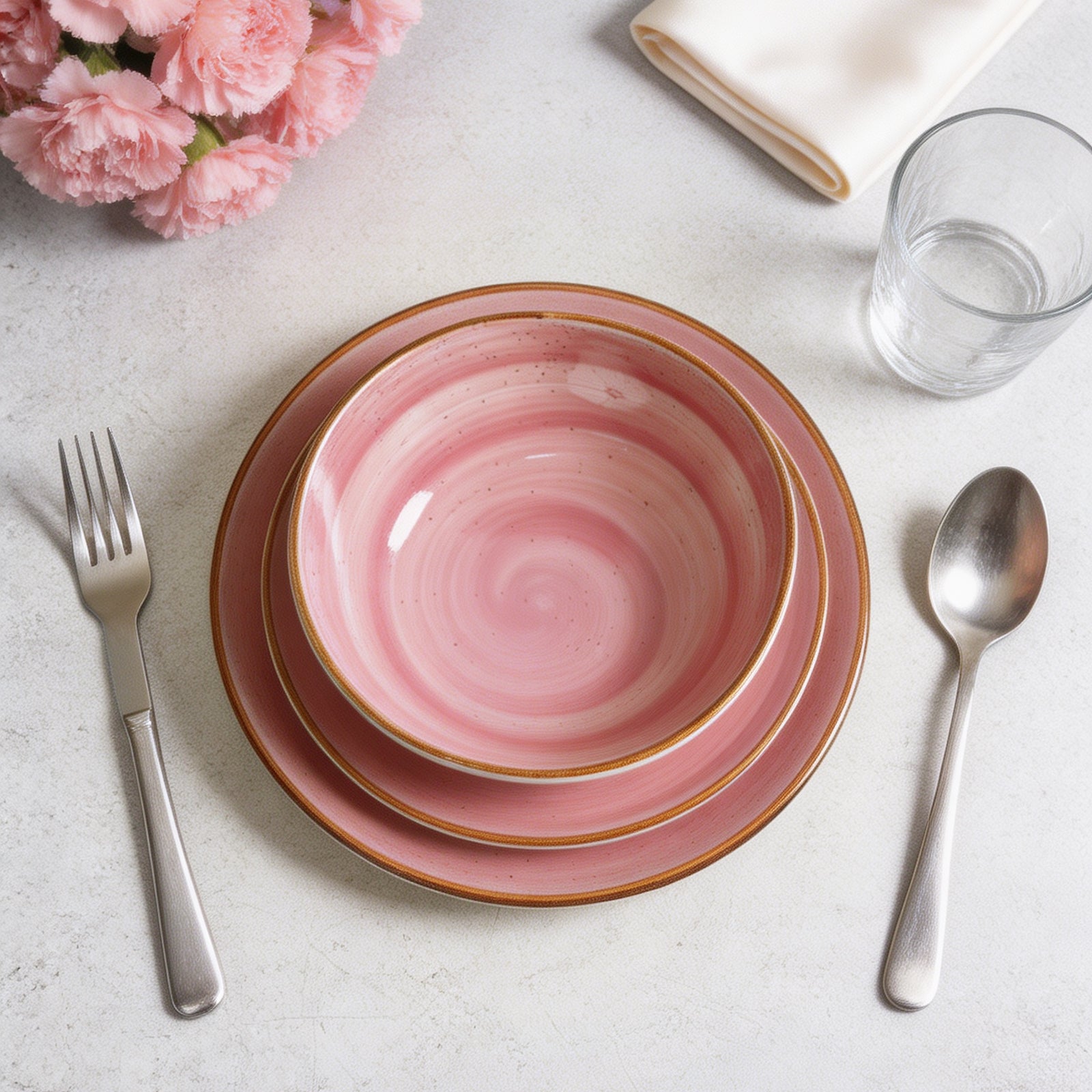
This is also the material for people who want more than plain white plates. Stoneware takes color and glaze beautifully, from soft matte neutrals to layered reactive finishes. A reactive glaze creates natural variation during firing, so each piece carries subtle shifts in tone and movement. No two plates are exactly alike, yet the collection still feels cohesive on the table.
The trade-off is weight. Stoneware can feel more substantial than porcelain or bone china, which some people love and others may find less convenient for high cabinets or large stacks of plates. Choose well-fired stoneware with a smooth, durable glaze, and it can be a hardworking foundation for family meals and relaxed entertaining alike.
Porcelain: Clean Lines With Everyday Versatility
Porcelain has a smooth, refined surface and a classic look that moves easily between casual and formal settings. Its clay body is fired at high temperatures, creating a dense material that is typically less porous than earthenware. The result is a polished plate that suits minimal tables, crisp white settings, and contemporary color palettes.
Porcelain is a practical option for anyone who wants a lighter-feeling dinnerware set without giving up a tailored appearance. It is especially useful when you want one collection to cover weekday lunches, dinner parties, and milestone celebrations. White porcelain also gives food center stage, which is why it remains a favorite for serving colorful dishes.
Not all porcelain is made to the same standard, so avoid assuming that a delicate appearance means equal durability across every set. Construction and glaze quality still matter. A thoughtfully made porcelain set can offer an elegant, low-fuss answer for homes that prefer clean, enduring design.
Bone China: Lightweight Luxury That Gets Used
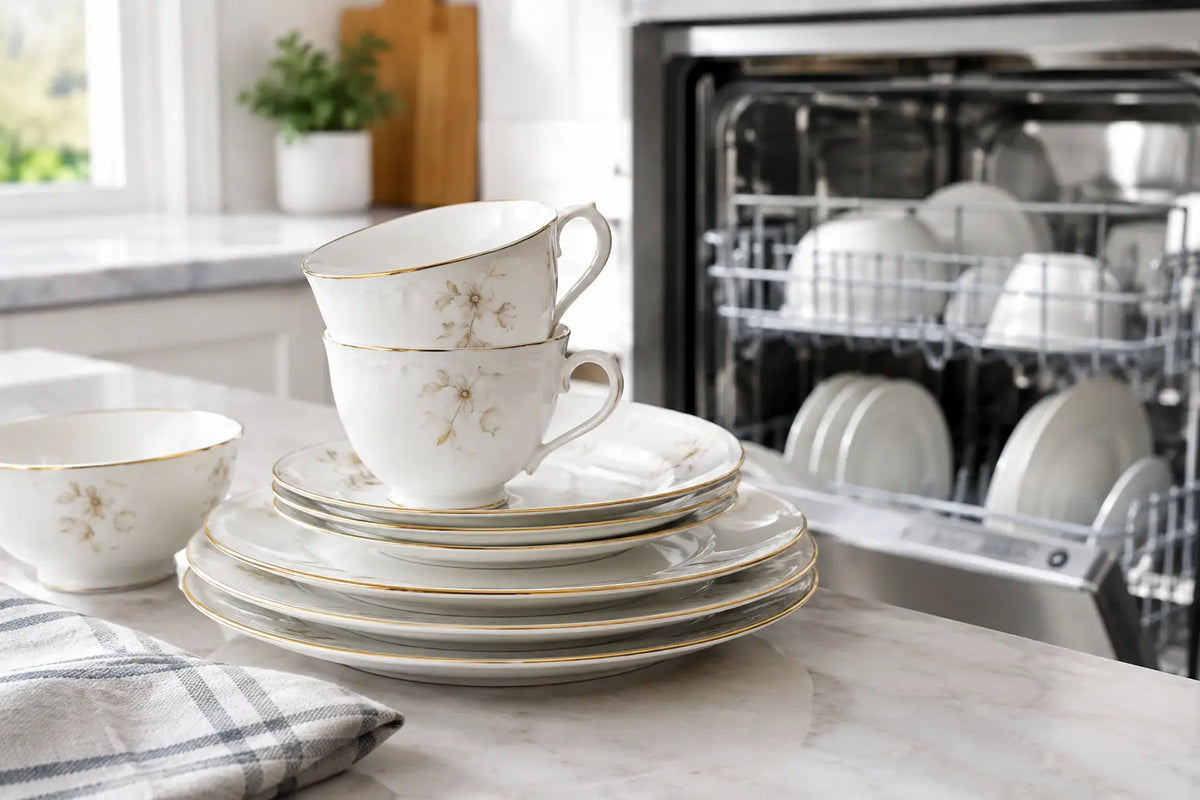
Fine bone china is prized for its luminous finish, exceptional lightness, and graceful strength. Despite its name, it is not only for formal cabinets or rare occasions. Quality bone china can be surprisingly resilient, making it an excellent choice for people who want a more elevated daily ritual.
Its appeal is immediate: thinner profiles, a gentle translucence, and an effortless sense of occasion. Bone china works beautifully for wedding registries, anniversary gifts, and hosts who enjoy a more polished table. It is also a smart choice for smaller households that prefer fewer, better pieces rather than several specialized sets.
Compared with stoneware, bone china has less rustic weight and texture. If you like hand-finished glazes, earthy colors, and a relaxed artisan look, stoneware may feel more natural. If your ideal table is light, refined, and quietly luxurious, bone china is hard to surpass.
Earthenware: Artful and Casual, With More Care Required
Earthenware is often chosen for its approachable price point, handmade appearance, and expressive color. It is fired at lower temperatures than stoneware or porcelain, which can leave the body more porous unless it is thoroughly glazed. That does not make earthenware a poor choice, but it does mean quality and care deserve closer attention.
This material can bring personality to an open shelf or casual table, particularly in hand-painted or decorative pieces. It is often best for households that appreciate a more relaxed, collected look and do not mind treating their dinnerware a little more gently. For high-volume daily use, a denser high-fired stoneware or porcelain set may offer greater peace of mind.
Glass Dinnerware: Light, Simple, and Contemporary
Glass dinnerware brings a clean, modern quality to the table. Clear glass feels airy and lets linens, placemats, and food presentation stand out. Tinted or textured glass can add color without the visual weight of ceramic.
Its limitations are practical. Glass can show scratches over time, and its resistance to breakage varies widely by construction. It is best for people who love a lighter table setting or want accent pieces to pair with ceramic dinnerware. A set of glass salad plates, for instance, can add contrast to stoneware dinner plates without requiring you to commit to glass for every meal.
How to Choose the Right Material for Your Home
Start with the meals you serve most often. If your table sees daily breakfasts, packed lunches, and family dinners, stoneware offers a dependable mix of durability and design. Look for high-fired pieces made for regular use, especially if you prefer generous bowls, substantial mugs, and plates that feel comfortable in the hand.
If you entertain often and want a material that shifts easily from takeout nights to candlelit dinners, porcelain is a flexible choice. Bone china is ideal when you want the table to feel more refined, whether you are building a registry or investing in a meaningful gift that will not stay hidden in a cabinet.
Consider your storage, too. Open shelving favors pieces with color, texture, and glaze variation. Compact kitchens may benefit from lighter, stackable profiles. Families with young children may prioritize sturdy shapes and everyday ease over thin rims or highly decorative finishes.
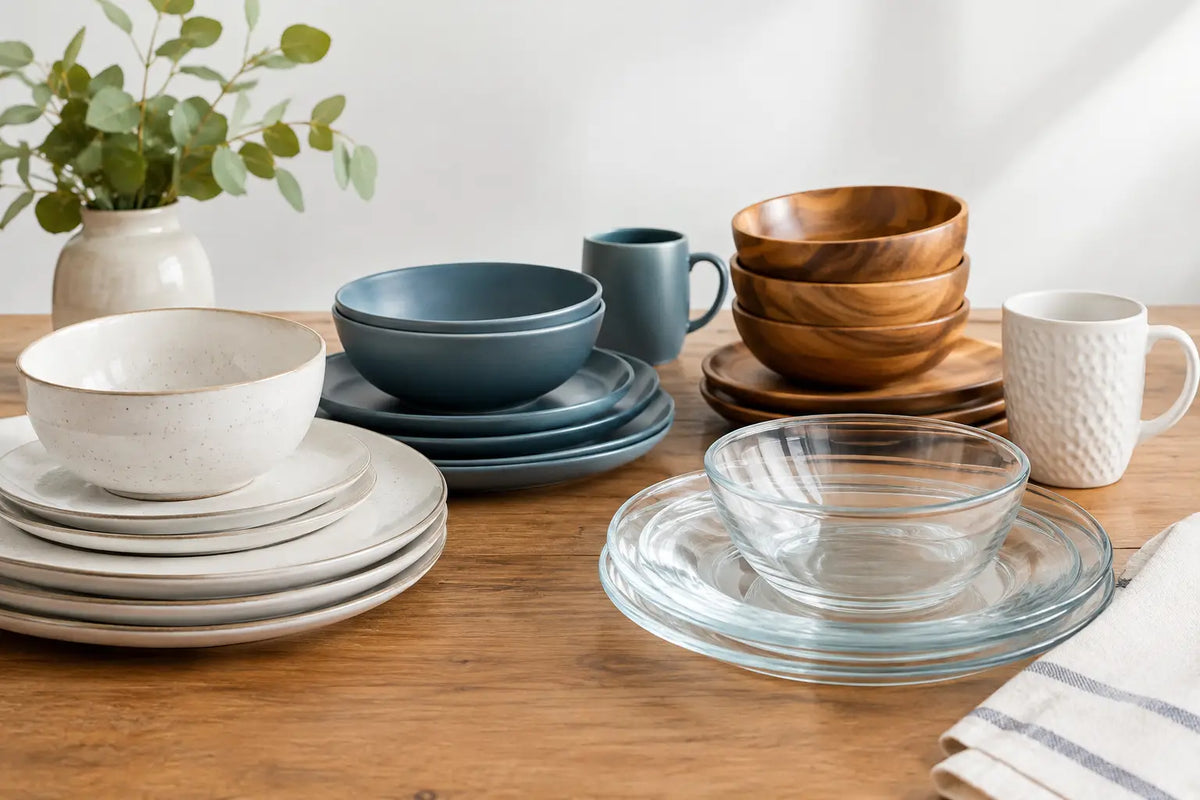
It is also perfectly reasonable to mix materials. A stoneware dinner plate paired with a porcelain serving platter can look intentional rather than mismatched when the colors and proportions complement one another. The most welcoming tables rarely feel overly precious.
Why Firing, Glaze, and Safety Matter
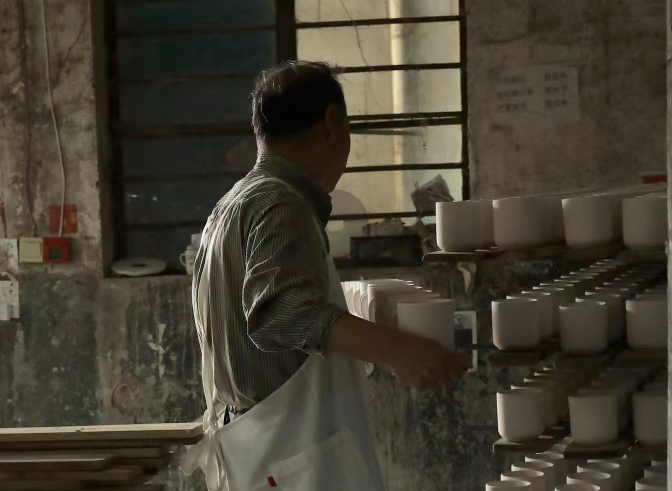
A dinnerware material is only part of the story. The way it is fired and finished has a direct effect on its performance. High-fired ceramics, including pieces fired at temperatures up to 1200°C, develop a dense structure that supports durability and helps the glaze bond securely to the surface.
Glaze is where function meets design. It creates the smooth food-contact surface while adding color, sheen, or the distinctive movement of a reactive finish. Reactive glazes give stoneware its one-of-a-kind character, but variation is expected and should be appreciated as part of the craftsmanship. Slight differences in shade or speckling are signs of a finish shaped by the kiln, not flaws in a matching set.
At HomeVss, ceramic dinnerware is 100% lead and cadmium-free, because an elevated table should also be a safe one. That assurance matters whether you are buying a single mug, building a full dinner set, or sending a housewarming gift to someone you love.
Care That Helps Dinnerware Last
Good dinnerware is made to be enjoyed, but a few habits help preserve its finish. Avoid stacking pieces carelessly when grit or crumbs are trapped between them, since abrasion can mark glazed surfaces over time. Let very hot cookware cool slightly before placing it on a plate, and avoid sudden extreme temperature changes unless the manufacturer specifically confirms the piece is designed for them.
For daily cleaning, use the care guidance provided with your collection. A soft cloth and non-abrasive cleaner are wise choices for preserving glazes, metallic details, and delicate finishes. If a piece arrives damaged, responsive replacement support makes a meaningful difference. Dinnerware should bring ease to the home, not another delivery problem to solve.
The material you choose sets the tone for meals that happen around it. Select the plates that invite you to use them often, set them out proudly, and make an ordinary dinner feel a little more cared for.



Leave a comment
This site is protected by hCaptcha and the hCaptcha Privacy Policy and Terms of Service apply.