

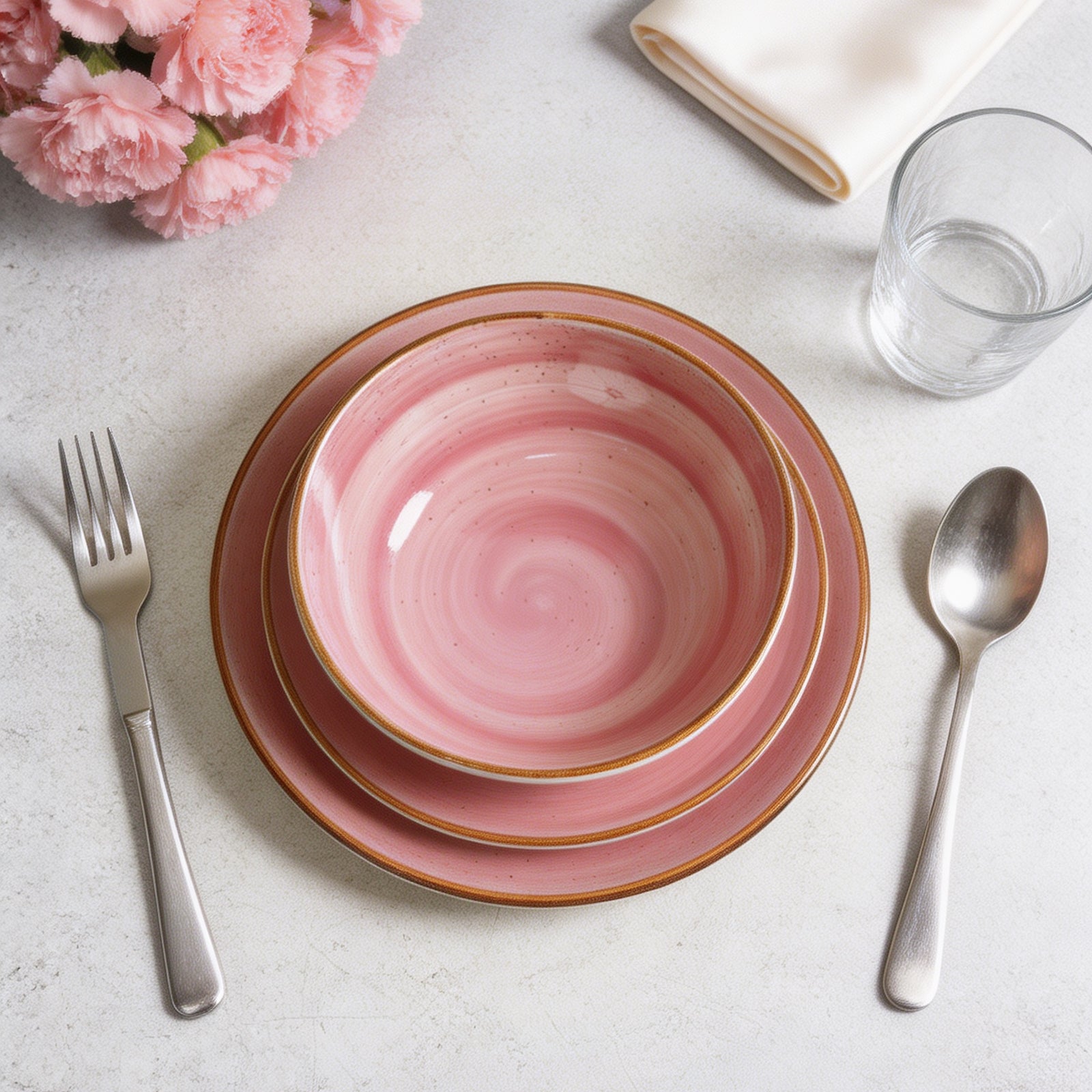

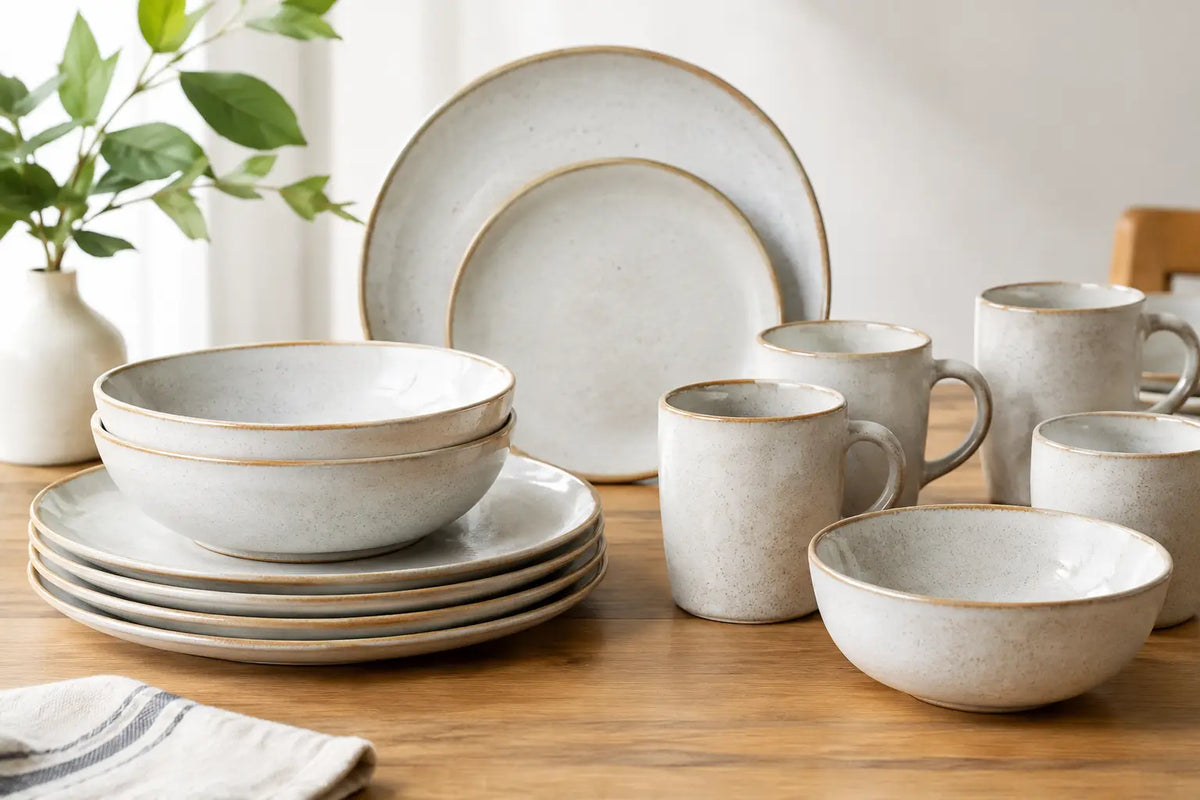
A dinner set earns its place in the cabinet one ordinary Tuesday at a time: cereal bowls at breakfast, reheated pasta at lunch, a family-style dinner at night, and guests around the table on the weekend. This stoneware set review focuses on what determines whether a collection will still feel beautiful and dependable after those real-life meals.
Stoneware has become a favorite for good reason. It offers visual warmth that porcelain sometimes lacks, substantial pieces that feel satisfying in the hand, and enough versatility to move from everyday dinners to a thoughtfully set holiday table. Still, not every set is made to the same standard. Glaze quality, firing temperature, safety testing, and the size of each piece all affect the experience.
Stoneware Set Review: Start With How You Eat
The right place setting is not necessarily the one with the most pieces. It is the one that fits your household without leaving useful dishes unused in the back of a cabinet.
For most homes, a four-person or six-person set built around dinner plates, salad plates, bowls, and mugs covers daily meals comfortably. A larger set makes sense for frequent hosts, growing families, or anyone replacing mismatched essentials at once. If you regularly serve soups, grain bowls, or pasta, give the bowls as much attention as the plates. A shallow bowl may look elegant but can be less practical for saucy meals, while a generous coupe-style bowl can handle breakfast, lunch, and dinner with ease.
Think about your cabinet and dishwasher, too. Broad dinner plates can be striking on the table yet difficult to stack or fit in a compact dishwasher. Deeply textured rims create character, but they may take more care to clean. These are not reasons to avoid a design you love. They are simply the details that turn a beautiful purchase into an easy daily habit.
What Quality Stoneware Should Feel Like
Well-made stoneware has a reassuring weight, but heavier is not automatically better. A plate should feel stable and substantial without becoming tiring to carry from the kitchen to the table. Lift a dinner plate, hold a mug by its handle, and imagine clearing four settings after a meal. Comfortable proportions matter.
The most meaningful measure of durability is how the clay body and glaze are finished. High-fired stoneware is vitrified at elevated temperatures, creating a dense material better suited to repeated use. HomeVss stoneware is fired at temperatures up to 1200°C, an approach designed to support the strength and chip resistance that everyday dinnerware needs.
Inspect product details for a smoothly applied glaze, an even foot ring on the underside, and clear care guidance. Minor variation is normal in handcrafted or reactive-glaze pieces. Pinholes, cracks, sharp edges, or a rough unfinished surface that could scratch a table are different matters. A quality set should look intentional from the top of the plate to the part no guest sees.
Reactive Glaze Is Meant to Vary
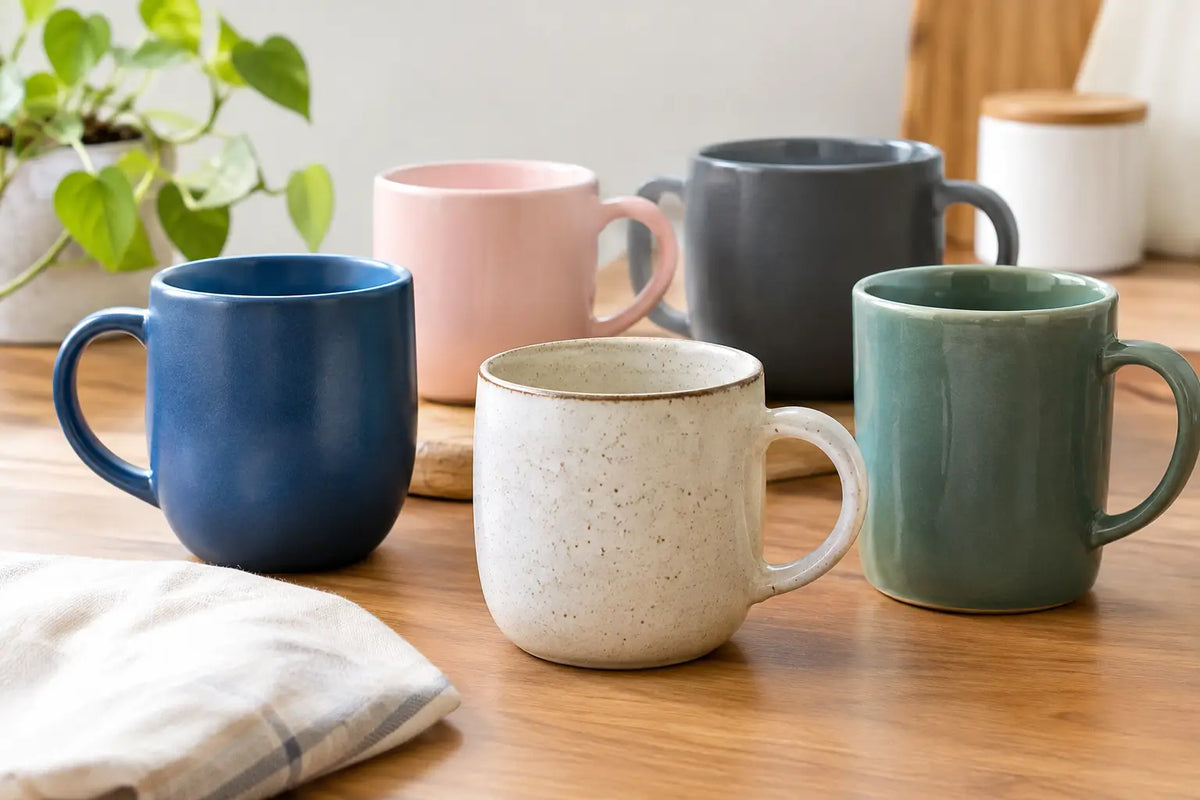
Reactive glaze is one reason stoneware feels less generic than mass-produced white dinnerware. During firing, minerals in the glaze respond to heat in ways that create shifts in color, speckling, pooling, and depth. One bowl may have a deeper blue edge; another may carry more of a misty gray tone. That variation is part of the craftsmanship, not a flaw.
It does mean that shoppers who want every place setting to match precisely may prefer a more uniform glaze. For everyone else, the subtle differences make a table feel collected and personal. The best reactive-glaze sets share an overall color story, even when each piece has its own finish.
Safety Is Not a Decorative Detail
Dinnerware comes into contact with food every day, so the material standards behind the design deserve plain language. Look for brands that clearly state their safety practices rather than relying only on broad descriptions such as “non-toxic.” Lead and cadmium testing is especially relevant for glazed ceramics.
At HomeVss, health and safety are non-negotiable: ceramic dinnerware is 100% lead and cadmium-free. That assurance matters for families serving meals to children, for couples building a wedding registry, and for gift buyers who want their choice to feel as responsible as it is attractive.
Also check whether the maker specifies microwave and dishwasher compatibility for the collection you are considering. Those features depend on the exact form, glaze, and decorative process used. When care instructions are clear, following them helps preserve the finish and prevents unpleasant surprises.
A Stoneware Set Review Should Include Daily Wear
A new set can look perfect in its first photograph. The better question is how it handles the small frictions of a busy kitchen. Stoneware can be durable, but it is still ceramic. Sudden temperature shifts, hard impacts against a sink, and careless stacking can cause damage over time.
Give plates a little room when loading the dishwasher so they do not knock together during the cycle. Avoid moving a dish directly from the refrigerator into a hot oven unless the manufacturer explicitly says it is safe to do so. Let very hot pieces cool gradually rather than placing them on a cold, wet surface. These habits are simple, but they protect any ceramic collection, including premium pieces.
Color also changes the way everyday wear appears. Cream and white glazes are timeless and brighten a table, though metal marks may be more visible over time. Darker glazes can disguise minor marks but may show water spots after washing. Speckled and reactive finishes are particularly forgiving, which is one reason they work so well in active family kitchens.
Style That Works Beyond One Occasion
A dinner set should not force a choice between casual and formal. Stoneware is at its best when it makes a weeknight meal feel considered, then holds its own beside linen napkins, candles, and a serving platter when friends come over.
Choose color with the larger room in mind. Warm neutrals pair naturally with wood, brass, and seasonal linens. Blue, green, or charcoal stoneware can ground a table and make simple food look more composed. If your kitchen already has strong patterns or colorful cabinetry, a quieter glaze may give you more flexibility. If the room is neutral, a reactive finish can provide the visual interest.
Matching every serving piece is optional. In fact, a coordinated mix often looks more welcoming: dinner plates in one glaze family, small bowls in a complementary tone, and simple glassware to keep the setting open. The key is repeating one element, whether that is color temperature, finish, or shape.
Consider Delivery Protection Before You Order
Buying fragile tableware online should not mean accepting the risk of a damaged box. Packaging, shipping support, and replacement policies are part of the product experience, especially when a set is intended for a wedding gift, housewarming, or holiday meal.
Read the policy before checkout. A dependable brand explains what happens if an item arrives broken and makes the process straightforward. HomeVss offers free breakage replacement immediately, helping customers order design-forward ceramics with more confidence. It is a practical assurance, not an afterthought: dinnerware should arrive ready to be used, gifted, or placed on the table.
Is Stoneware the Right Choice for Your Home?
Stoneware is an excellent choice when you want everyday durability with more character than basic dinnerware. It suits households that value generous bowls, tactile finishes, and a table that feels polished without becoming precious. It is also a natural option for gifts because a complete set is useful from the first meal onward.
Fine bone china may be a better fit if you prefer a lighter feel, a more formal profile, or delicate translucence. Stoneware tends to feel more grounded and relaxed. Neither is universally better. The right material reflects how you cook, host, clean up, and want your home to feel.
Choose a set that makes you want to set the table, even when the menu is takeout. That small pleasure is often what turns dinnerware from a kitchen necessity into part of the home you are building.


Leave a comment
This site is protected by hCaptcha and the hCaptcha Privacy Policy and Terms of Service apply.