


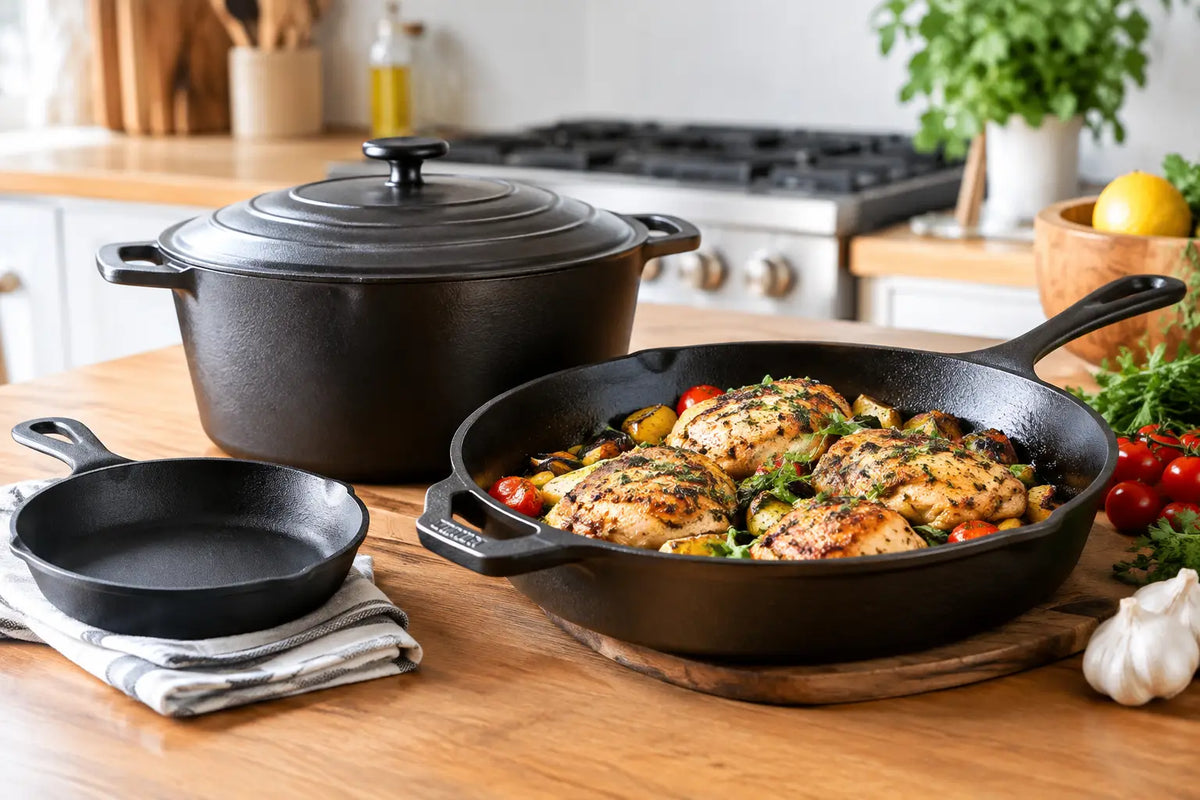
A skillet that moves from a hot burner to the center of the dinner table has a particular kind of presence. Cast iron cookware earns that place through more than looks: it holds heat exceptionally well, develops character with use, and makes everyday meals feel a little more considered. From crisp-edged cornbread to a slow Sunday braise, it is built for cooking that is meant to be shared.
For home cooks who want kitchen pieces that are beautiful enough for hosting and practical enough for a busy Tuesday, cast iron offers a compelling balance. The key is choosing the right type, learning its strengths, and giving it the simple care it deserves.
Why Cast Iron Cookware Still Belongs in Modern Kitchens
Cast iron is valued for heat retention. Once the pan is thoroughly preheated, it stays hot when food is added, helping create deep browning on steak, chicken thighs, vegetables, and baked dishes. That steady heat also makes it especially useful for recipes that begin on the stovetop and finish in the oven.
This quality comes with a trade-off. Cast iron does not respond as quickly as lightweight aluminum when you turn the burner up or down. It rewards a little patience: warm the pan gradually, give it time to reach temperature, and avoid relying on maximum heat. Medium or medium-high is often enough for excellent results.
There is also the matter of weight. A substantial Dutch oven or grill pan is not as effortless to lift as a thin nonstick skillet, particularly when full. For many cooks, that heft signals durability and stability. For others, a smaller skillet or a two-handled casserole may be the better everyday choice. The best cookware is the cookware you will feel comfortable using often.
Enameled vs. Bare Cast Iron Cookware
The first decision is whether to choose bare cast iron or enameled cast iron. Both are long-lasting materials, but they suit different cooking styles and care routines.
Bare cast iron develops its own finish
Traditional bare cast iron has a dark, seasoned surface created when a thin layer of oil is heated onto the iron. With regular use and proper care, seasoning becomes smoother and more naturally nonstick over time. It is excellent for high-heat searing, frying, baking, and dishes where a deeply browned crust matters.
Bare cast iron does require attention after washing. It should be dried promptly and lightly oiled before storing to help prevent rust. Highly acidic ingredients, such as tomato sauce, citrus-heavy braises, or wine reductions, can affect newer seasoning if cooked for a long time. A well-seasoned pan can handle a brief acidic sauce, but it is not always the most convenient choice for long-simmered recipes.
Enameled cast iron favors flexibility and easy cleanup
Enameled cast iron has a glass-like porcelain coating fused to the iron. It delivers the same dependable heat retention without requiring seasoning, and its nonreactive interior makes it especially useful for tomato sauces, chili, fruit compotes, soups, and braises with wine or vinegar.
An enameled Dutch oven is often the most versatile first cast iron piece for a household. It can brown short ribs, simmer beans, bake bread, and arrive at the table looking polished. A colored exterior or thoughtfully chosen finish also brings warmth to open shelving and dinner parties without asking you to compromise on everyday function.
Enameled surfaces are durable, but they are not indestructible. Avoid metal utensils when possible, sudden temperature changes, and high heat without food or oil in the pan. If a hot pot needs washing, let it cool first. Thermal shock can stress the enamel, while gentle use helps preserve its finish for years.
Choosing the Right Piece for Your Cooking Style
A 10- or 12-inch skillet is a natural choice for crisp potatoes, skillet cookies, roasted vegetables, and family-style breakfast. Choose the smaller size for one or two people, or the larger size when you want enough room to brown food instead of crowding it. A lid adds flexibility for covered eggs, braised greens, and stovetop-to-oven meals.
A Dutch oven is the workhorse for cooks who enjoy soups, pot roast, pasta sauces, and no-knead bread. A round version is ideal for burners and smaller roasts, while an oval Dutch oven makes room for a whole chicken or longer cuts of meat. For smaller households, a mini casserole can turn a side dish, baked dip, or individual dessert into something special without creating leftovers for days.
Grill pans provide pronounced sear marks indoors, though they take more effort to clean than a flat skillet. They are best for people who truly enjoy grilled vegetables, burgers, or chicken year-round. If your priority is simple, dependable cooking, a skillet and Dutch oven will generally offer more value first.
When selecting any piece, look closely at the handles and lid. Wide loop handles make a heavy pot easier to carry with oven mitts. A close-fitting lid helps retain moisture during braising. A smooth interior and balanced shape make daily cleanup less of a chore. These details are small until you are carrying a bubbling stew to the table.
How to Cook Well With Cast Iron
Cast iron performs best when it is treated as a steady, deliberate cooking surface. Preheat it for several minutes over low to medium heat, then add oil once the pan is warm. If the oil shimmers gently rather than smoking aggressively, you are usually in the right range.
Give food room. Overcrowding lowers the pan's temperature and encourages steaming instead of browning. Cook in batches if necessary, especially with mushrooms, diced vegetables, or several pieces of chicken. Let proteins release naturally before turning them. If they cling stubbornly, they often need another minute to develop a proper crust.
For enameled cookware, use wood, silicone, or nylon utensils to protect the surface. For bare cast iron, metal tools are generally fine and can even help lift browned bits, though sharp scraping should still be avoided. Either type can be used on gas, electric, and induction cooktops, as well as in the oven. Check the manufacturer's temperature guidance, particularly for knobs and lids.
Care That Protects the Finish
Caring for bare cast iron is straightforward once it becomes routine. Wash with warm water and a brush or sponge soon after use. Mild soap is acceptable when needed, despite the old rule that it should never touch cast iron. The important part is drying the pan completely. Set it over low heat for a minute or two, then wipe on a very thin coat of neutral oil before storing.
If rust appears, do not assume the pan is ruined. Scrub the affected area, dry it thoroughly, apply oil, and re-season it in the oven. Cast iron is remarkably forgiving, which is part of its lasting appeal.
Enameled cast iron can be washed with warm, soapy water after cooling. For stuck-on food, soak the interior briefly and use a nonabrasive sponge. Avoid harsh scouring powders and metal scrubbers, which can dull the enamel over time. A baking soda paste can help with stubborn residue without being overly aggressive.
Never place a cold cast iron vessel into a very hot oven or run cold water over a hot pan. This is sound advice for any cookware, but it matters particularly with enamel. Give the material time to adjust, and it will serve you beautifully.
From Kitchen Workhorse to Table Centerpiece
The appeal of cast iron is not only technical. A Dutch oven filled with braised chicken, a bubbling baked pasta, or a berry cobbler carries its own sense of occasion. It lets you cook and serve in the same piece, reducing extra dishes while giving the table an intentional, generous look.
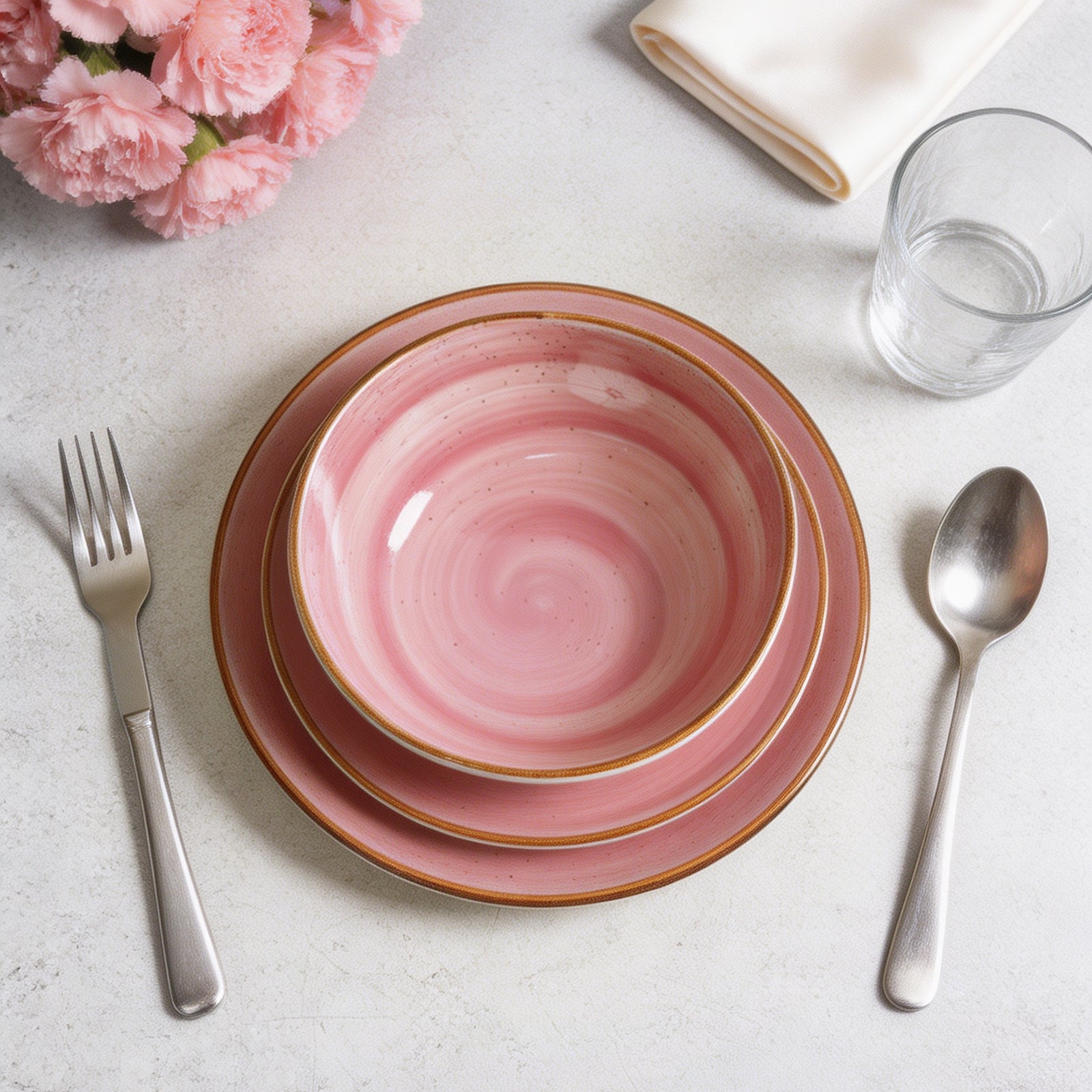
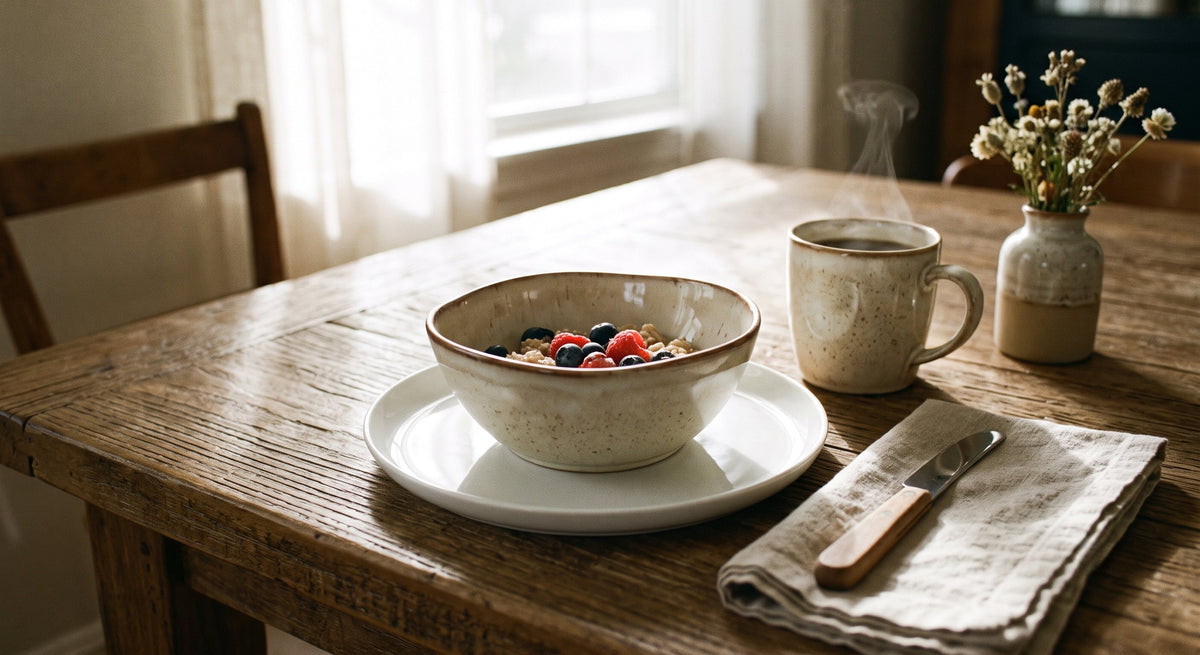
Pair the weight and heritage character of cast iron with tableware that can stand up to daily use. High-fired ceramic dinnerware brings a softer contrast to the pot's substantial finish, while stoneware bowls make soups and stews feel at home at a relaxed family table. At HomeVss, the idea is simple: useful pieces should also make ordinary meals feel worth gathering around.
A well-chosen cast iron piece does not need to wait for a holiday or a formal menu. Put it to work for the meals your household already loves, care for it with consistency, and let every mark of use become part of its story.


Leave a comment
This site is protected by hCaptcha and the hCaptcha Privacy Policy and Terms of Service apply.